Selling Print Like a Problem-Solver

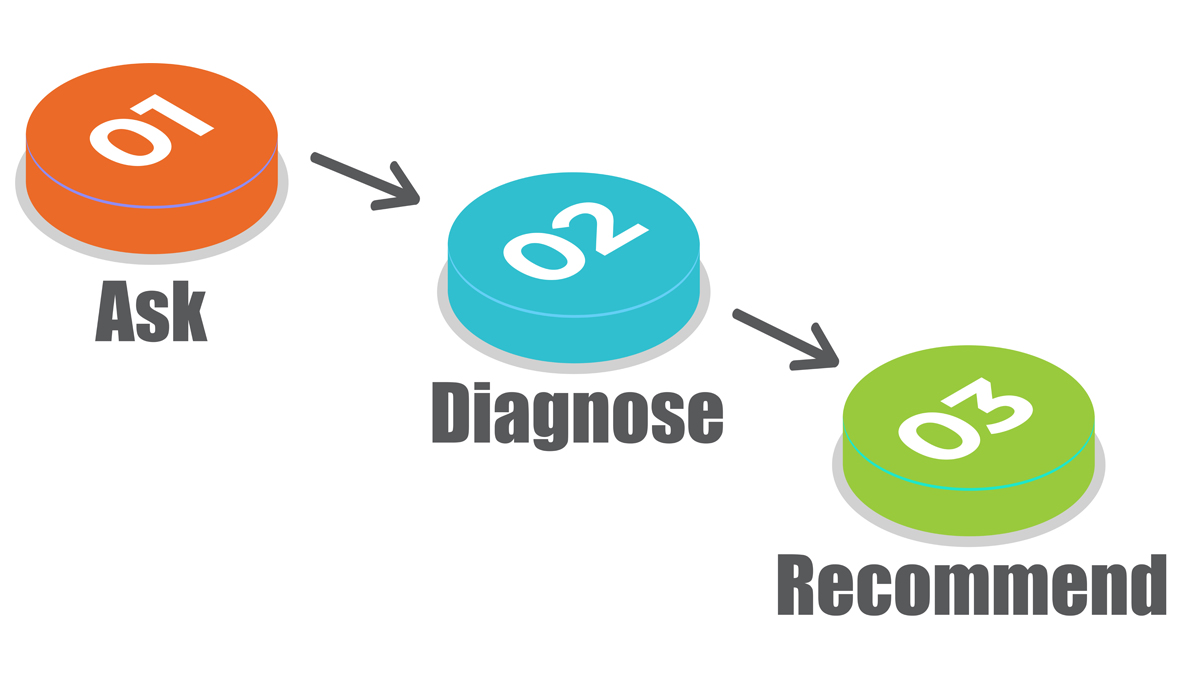
Consultative selling gets talked about a lot, but the idea is simple: instead of reacting to the order in front of you, you ask better questions, look at the bigger picture, and recommend print based on what the customer is trying to accomplish. 

That matters in custom print because customers don’t always ask for the full solution. They ask for the piece they thought of first. 

A customer may request brochures, labels, business cards, or an A-frame sign. But behind that request, there’s usually a larger goal: launching a product, promoting an event, bringing in foot traffic, supporting a sales conversation, improving packaging, or keeping brand materials consistent across locations. 

That’s where the differentiation happens. Where you distinguish yourself from your competition. 

  • The order-taker hears, “I need 500 flyers.” 
  • The problem-solver asks, “What are the flyers helping you do?” 

That one question can change the conversation and open the door to better recommendations, stronger account value, and more repeat business. 

Start with the goal, not the quote 

It’s easy to move straight into specs, pricing, and turnaround. That’s often where the customer expects the conversation to go, too. But if you start there, you risk locking the sale into one item before you understand the full need. 

A consultative approach doesn’t mean turning every call into a long discovery session. It means pausing long enough to understand the job behind the job. 

Before you quote, find out: 

  • who the audience is 
  • where the printed piece will be used 
  • what action the customer wants it to drive 
  • whether it is part of something larger 
  • whether the need is likely to repeat

Those answers often reveal opportunities the customer didn’t mention. 

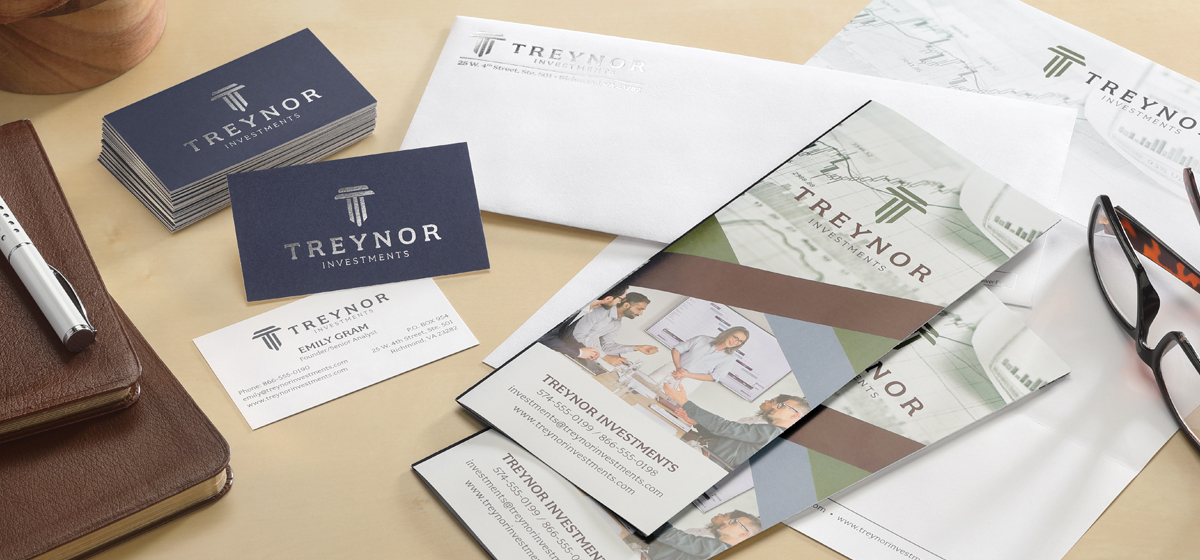
A business card order may lead to a broader conversation about a coordinated stationery suite. A label order may point to hang tags, branded packaging tape, folded cartons, or shipping envelopes. A brochure request may uncover the need for presentation folders, postcards, or matching marketing materials for a sales team. 

The point is not to tack on products for the sake of it. The point is to solve the actual problem more completely. 

Five questions that change the sale 

You don’t need a complicated script. You need a few reliable questions that help you move from transaction to recommendation. 

Here are five that can open up the conversation in a useful way: 

  1. Who is this piece for?
    A customer may be ordering for prospects, current customers, internal teams, event attendees, or retail shoppers. The audience shapes the format, tone, and product choice. 
  2. Where will it be seen or used?
    Will it live on a countertop, in a mailbox, on a package, at a trade show, in a waiting room, or on a storefront sidewalk? Usage changes everything from stock and finish to size and durability. 
  3. What do you want someone to do next?
    A printed piece works harder when it points to an action. That could be making a purchase, visiting a landing page, scanning a QR code, stopping by an event, or making a phone call. 
  4. Is this a one-time order or part of something ongoing?
    This helps uncover repeat opportunities, multi-location needs, seasonal updates, and program-based selling. 
  5. Does anything else need to coordinate with it?
    This is often where the broader opportunity appears. If one piece exists, there is a good chance something else supports it. 

These questions aren’t complex. They’re useful. And useful questions tend to lead to useful recommendations. 

Look for the missing pieces 

Many print conversations start with one product but point to a larger set of needs. 

That’s especially true when customers are moving fast. They ask for the item on their list, not always the full collection of materials that would help the effort succeed. 

Here is where a problem-solver mindset helps. 

  • A customer asks for business cards. You might also ask whether they need matching letterhead, envelopes, or presentation folders for meetings and proposals. 
  • A customer asks for table tents. You might ask whether the promotion also needs flyers, posters, labels, or counter cards to keep the message consistent. 
  • A customer asks for labels. You might ask whether the product also needs hang tags, folded cartons, shipping envelopes, or branded packaging tape. 
  • A customer asks for an A-frame sign. You might ask whether they also need window signage, posters, postcards, or handouts to support the promotion inside and outside the location. 

This is where consultative selling becomes practical. It’s not about sounding like a sales trainer. It is about noticing what’s missing and helping the customer think through the full experience. 

Sell the use case, not just the item 

Customers rarely care about print the way print professionals do. They’re not starting with stock weights, coating options, or finishing details. They’re starting with a problem to solve. 

That means your strongest recommendations usually come from the use case. 

If the customer wants to bring in walk-in traffic, an A-frame sign may be part of the answer, but so are posters, flyers, and take-home pieces that keep the offer in front of the customer after they leave. 

If the customer is preparing for a sales meeting, brochures may matter, but so do presentation folders, business cards, and the overall look and feel of the materials being handed across the table. 

If the customer is launching a retail or packaged product, labels may be the first request, but hang tags, packaging tape, folded cartons, and flexible packaging can all shape how that product shows up. 

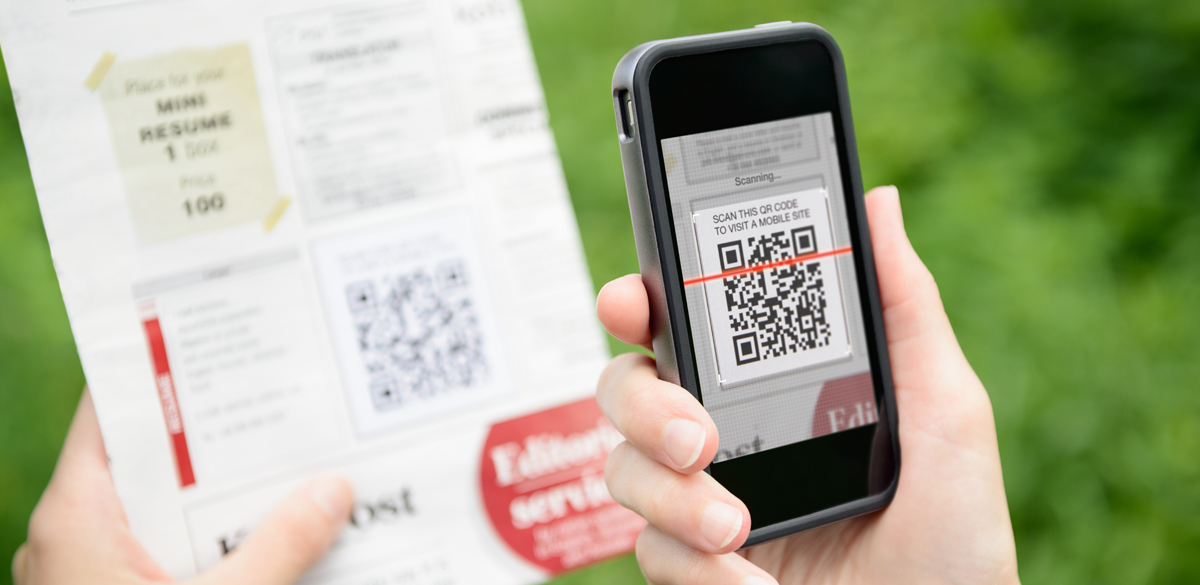
If the customer wants print to connect to digital, a postcard, brochure, flyer, table tent, poster, or label with a QR code can lead to a menu, video, offer, product page, review request, or order form. 

When you talk about print this way, the conversation shifts. You’re no longer just selling an item. You’re helping the customer use print more intentionally. 


Think beyond the first order 

One of the best reasons to sell this way is that it creates better long-term account value. 

The first order should never be treated like the finish line. In many cases, it’s the opening conversation. 

When you ask better questions up front, you’re more likely to uncover: 

  • repeat-order potential 
  • seasonal or versioned materials 
  • needs across departments or locations 
  • matching items that reinforce the brand 
  • future campaigns that require similar support 

A customer that starts with one brochure project may later need flyers, presentation folders, event signage, and leave-behinds. A customer that starts with product labels may later need packaging upgrades, shipping materials, and shelf-ready support pieces. A customer that starts with one promotional sign may eventually need a more coordinated package across print and display. 

That’s how accounts grow. Not by pushing more products into the conversation, but by paying attention to where the first project is likely to lead. 


A few everyday products that open bigger conversations 

Some of the best consultative selling opportunities come from products customers already order all the time. 

  • Business cards can lead to broader brand consistency conversations. 
  • Brochures and flyers can open the door to coordinated campaign materials, handouts, and leave-behinds. 
  • Labels can lead to conversations about packaging systems, product presentation, shipping, and shelf-readiness. 
  • Presentation folders can uncover a larger sales, onboarding, enrollment, or proposal package. 
  • A-frame signs and other signage can lead to a more complete traffic-driving or event promotion strategy. 

These are familiar products. That’s exactly why they matter. They’re often the easiest entry point into a larger solution. 

Make it easier on yourself 

Consultative selling works best when you have the right support materials ready. 

That doesn’t mean memorizing every category, every option, or every talking point. It means having practical tools you can pull into the conversation when the opportunity gets bigger than the original request. 

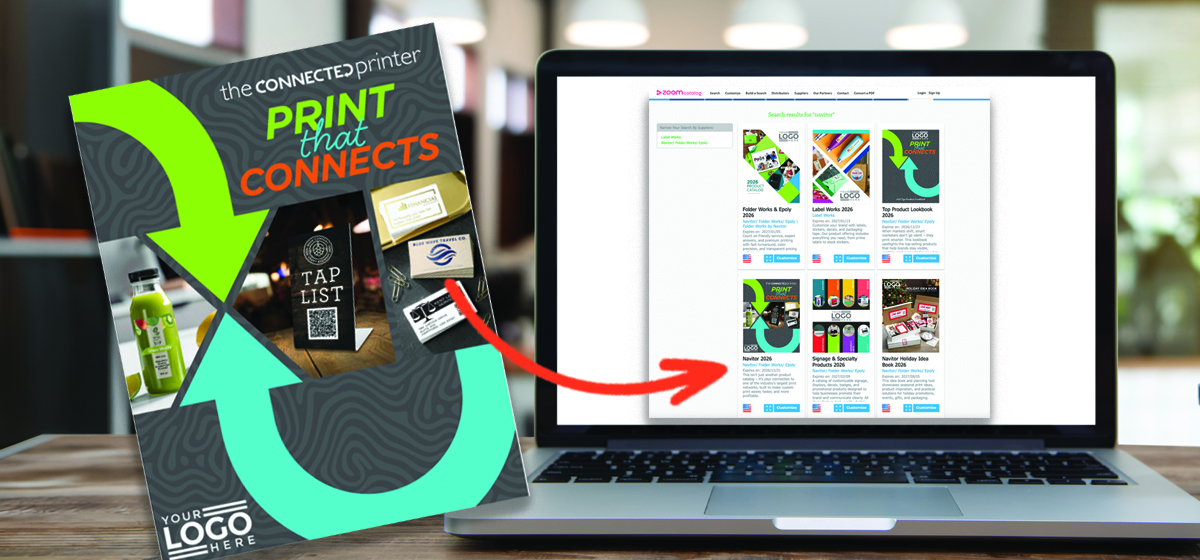
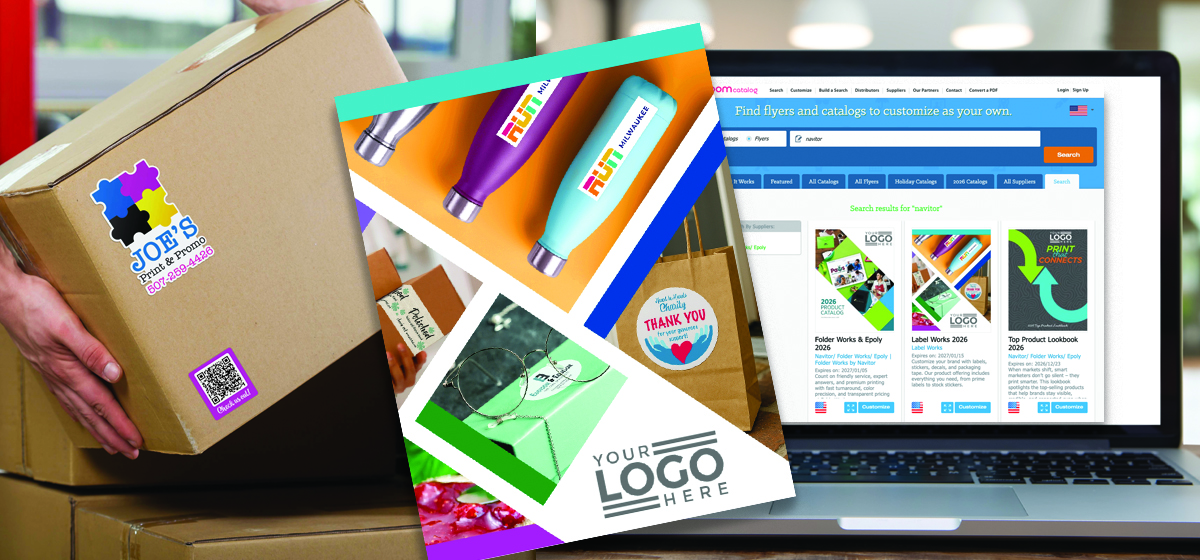
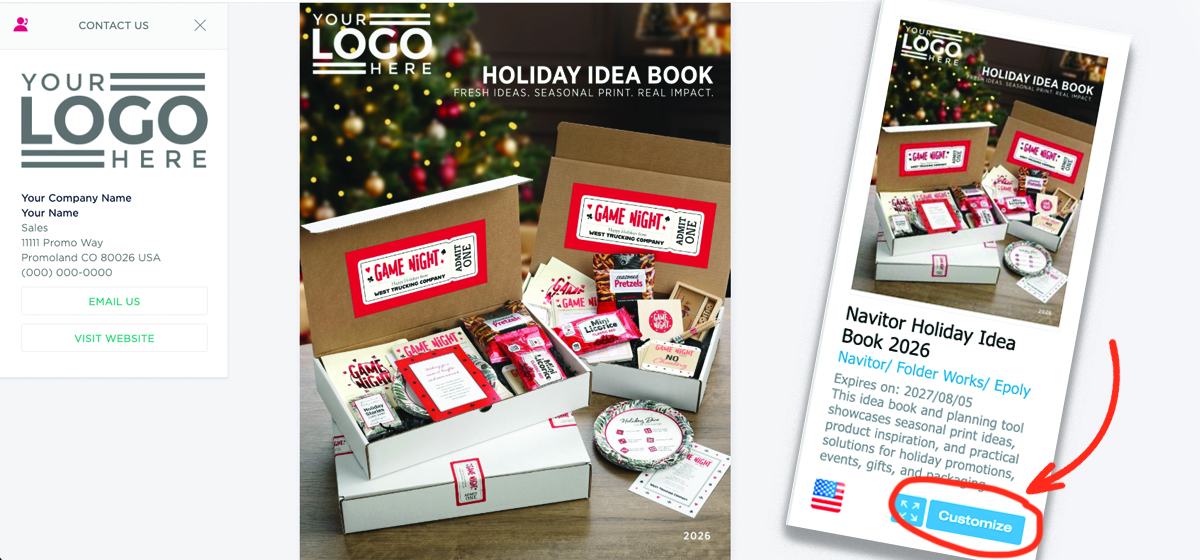
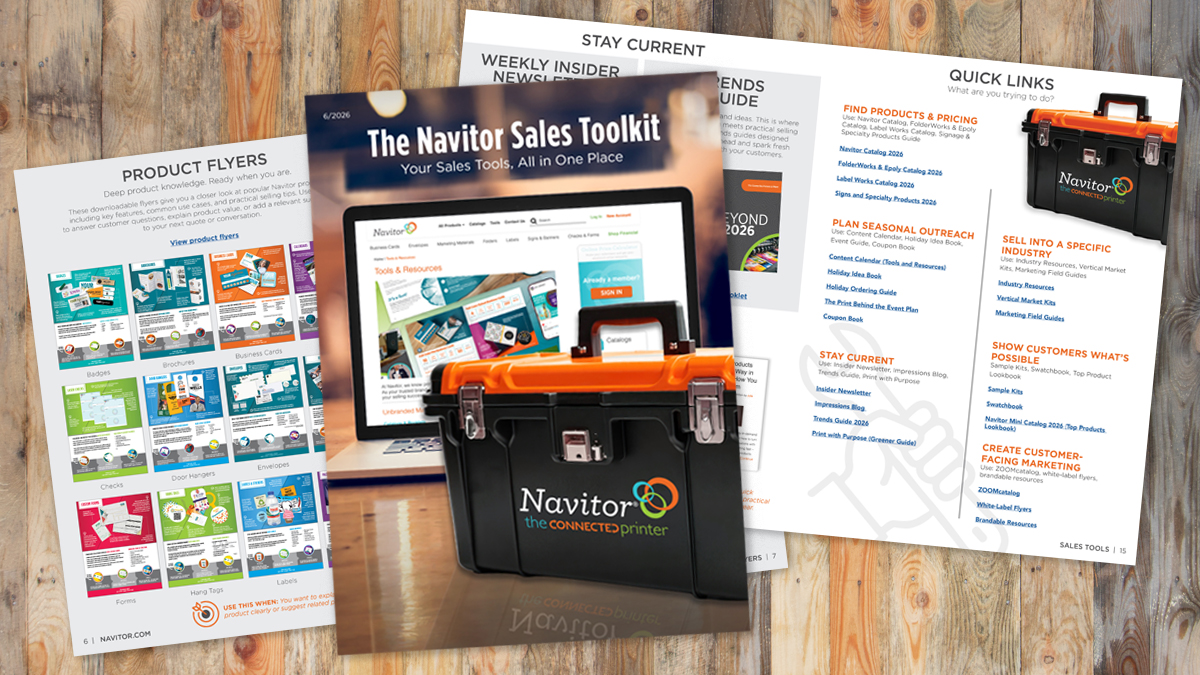
Navitor’s Sales Toolkit brings together sales flyers, sample kits, catalogs, and other resources that can help you support customer conversations with more confidence and more ideas. 

If you are looking for ways to talk through product options, show examples, or uncover related opportunities, it’s a useful place to start. 

Explore Navitor’s Sales Toolkit 

The takeaway 

Customers don’t always need more print. They do need the right print for the job, in the right mix, with the right purpose behind it. 

That’s what problem-solvers understand. 

They don’t stop at the first item on the order.
They ask what the customer is trying to do.
They look for the missing pieces.
They connect products to outcomes.
And they build stronger accounts because of it. 

The next time a customer asks for a quote, try asking one more question before you talk quantity, stock, or price. 

It might lead to a better recommendation, a better order, and a better relationship. 

Explore Navitor’s Sales Toolkit 


How to Identify Your Target Market in 6 Easy Steps

Most resellers can sell print to almost any business. 

That’s both the opportunity and the trap. 

When your product mix includes business cards, envelopes, labels, folders, forms, signs, banners, badges, stamps, decals, marketing materials, packaging products, and more, it can feel like every company is a potential customer. And technically, many of them are. 

But “everyone” is not a very helpful target market. 

When you try to market to everyone at once, your message gets softer. Your outreach gets broader. Your time gets spread thinner. And your best-fit customers – the ones with real need, repeat potential, and room to grow – may get scooped up by a competitor who knew exactly what to look for. 

The good news? You don’t need a complicated customer targeting strategy to find stronger print sales opportunities. You just need a practical way to narrow your focus, spot better-fit accounts and market with more intention. 

Here are six steps to help you identify your target marketfind better customers, and focus your sales energy where it has a better chance to pay off. 

1. Start with what your best customers already have in common 

Before you chase new prospects, look at the customers already buying from you. 

Your current customer list is one of the best places to find clues about your next opportunity. Which customers order consistently? Which ones buy more than one product category? Which ones ask for ideas instead of only asking for the lowest price? Which ones are easier to serve, more open to recommendations, and more likely to come back? 

Those details matter. 

A customer who orders once a year may be useful. A customer who orders forms, envelopes, labels, signs, and seasonal marketing materials throughout the year is something different. That is a relationship with room to grow. 

Start by reviewing your customer base and asking: 

  • Which customers reorder most often? 
  • Which customers buy across multiple categories? 
  • Which customers have recurring business needs? 
  • Which customers are growing, expanding, or changing? 
  • Which customers trust your recommendations? 
  • Which customers are profitable, not just busy? 

This step helps you identify patterns. Maybe your strongest accounts are schools. Maybe healthcare offices keep coming back. Maybe local service businesses have a steady need for appointment cards, forms, yard signs, decals, and branded envelopes. Maybe manufacturers are buying labels, tags, forms, and safety signage more often than you realized. 

The goal is not to create a perfect spreadsheet for your pipeline. The goal is to notice what your best customers have in common so you can find more customers like them. 

2. Look for industries with repeat print needs 

Some industries naturally create stronger print opportunities because they rely on print to operate, communicate, promote, organize, and serve customers. 

That doesn’t mean every account in those industries will be a perfect fit. It does mean they are worth a closer look. 

Think about industries with frequent customer interaction, recurring paperwork, seasonal activity, compliance needs, local visibility needs, or ongoing communication. These are often solid places to look for print need ideas because print isn’t a one-time novelty for them. It’s part of how they run. 

Examples include: 

  • Healthcare offices that need appointment cards, forms, labels, envelopes, signage, folders, and patient communication materials. 
  • Schools and education organizations that need event tickets, event signs, folders, fundraising materials, postcards, labels, and branded stationery. 
  • Real estate teams that need business cards, folders, signs, postcards, door hangers, and local marketing materials. 
  • Manufacturers that need labels, tags, forms, safety signage, decals, and shipping materials. 
  • Retail businesses that need product labels, window clings, sale signage, packaging materials, ID badges, loyalty cards, and seasonal marketing pieces. 
  • Nonprofits that need appeal letters, event materials, banners, remittance envelopes, thank-you cards, and donor communication pieces. 
  • Professional services firms that need stationery, folders, envelopes, forms, presentation materials, and client communication tools. 

This is where vertical market sales strategy becomes especially useful. Instead of thinking only by product, you start thinking by industry need. That makes your outreach more relevant and your recommendations more useful. 

For example, “Do you need labels?” is fine. 

But “Are you preparing for seasonal promotions, product packaging updates, or in-store sale signage?” gives you a more potent opening. It connects print to real business situations. 

3. Match customer needs to product categories

Customers don’t typically think in print categories. 

They think in problems, deadlines, and business needs. 

They think: 

  • We need to look ready for the open house. 
  • We need to get these products labeled. 
  • We need to help customers find the right entrance. 
  • We need to send invoices. 
  • We need to promote the fundraiser. 
  • We need to organize new client paperwork. 
  • We need to ship orders without looking like we packed them in a broom closet during a power outage. 

That’s why one of the best ways to identify high-potential customers is to connect real-world customer needs to the products that support them. 

Here are a few examples: 

“I need to get noticed locally” could point to banners, yard signs, postcards, decals, door hangers, magnets, or A-frame signs. 

“I need to organize customer information” could point to folders, forms, labels, envelopes, checks, and stationery. 

“I need to prepare for an event” could point to badges, signs, banners, invitations, table tents, folders, brochures, and handouts. 

“I need to package or ship products” could point to labels, stickers, tags, packaging tape, decals, and flyers. 

“I need to communicate with customers” could point to postcards, envelopes, letterhead, appointment cards, brochures, and business cards. 

“I need my team to look consistent” could point to badges, name tags, branded forms, signage, apparel, and customer-facing materials. 

This approach helps you move from order-taking to opportunity-spotting. 

A customer who asks for one product may have a larger need hiding behind the request. A school asking for event banners may also need directional signs, event tickets, folders, and fundraising materials. A clinic ordering appointment cards may also need labels, envelopes, forms, and patient handouts. A manufacturer ordering barcode labels may also need safety signage, shipping labels, tags, and operational forms. 

That’s where sales growth often lives – not in pushing more products, but in recognizing what else naturally fits. 

4. Score accounts by potential, not just size 

It’s easy to assume the biggest customer is the best customer. 

Sometimes that is true. Sometimes the biggest customer is also the biggest consumer of your time, patience, and emergency coffee. 

A better approach is to score accounts by potential, not size alone. 

A smaller business with frequent print needs, healthy growth, and openness to recommendations may be more valuable than a larger account that only buys once a year and price-shops every quote. This doesn’t mean you ignore large accounts. It means you look at the full opportunity. 

Try scoring your customers or prospects using these factors: 

  • Frequency: Do they reorder regularly? 
  • Fit: Do your print categories match their needs? 
  • Growth: Are they opening locations, hiring, expanding services, or launching new offers? 
  • Complexity: Do they need multiple types of print throughout the year? 
  • Relationship: Are they open to ideas and recommendations? 
  • Margin potential: Are they buying value-driven products, or only the cheapest basics? 
  • Timing: Do they have seasonal, annual, or event-based buying cycles? 

This kind of simple scoring system can help you prioritize follow-up. It can also help you decide where to spend time with samples, sales materials, targeted emails, or one-to-one outreach. 

For example, a small dental office might not look like a huge opportunity at first glance. But if it needs appointment cards, patient forms, recall postcards, labels, envelopes, indoor signs, and seasonal promotional products, it may be a steady account with repeat potential. 

That’s the kind of account worth noticing before someone else does. 

5. Watch for buying signals 

Customers often show signs of need before they ask for a quote. 

The reseller who notices those signals first has an advantage. 

A buying signal is any clue that a business may need print soon. Some are obvious. Others are hiding in plain sight. 

Look for signs like: 

  • A new business opening 
  • A new location 
  • A rebrand or logo refresh 
  • A hiring push 
  • A new product launch 
  • A seasonal sale or promotion 
  • An upcoming fundraiser 
  • A community event 
  • A trade show or conference 
  • A new service offering 
  • A website update 
  • More social media activity 
  • A local sponsorship 
  • A move, expansion or remodel 

Each of these moments can create practical print needs. 

A restaurant opening a second location may need menus, window graphics, labels, hiring materials, postcards, and signs. 

A nonprofit planning a fundraiser may need announcements, remittance envelopes, banners, programs, directional signage, and thank-you cards. 

A real estate office adding agents may need business cards, folders, signs, postcards, and custom marketing materials. 

A retailer launching a new product line may need product labels, shelf signage, packaging stickers, ID badges, window clings, and promotional postcards. 

This is one of the simplest ways to increase print sales without waiting for customers to come to you. Pay attention to what is happening in your customers’ world, then reach out with a specific idea tied to that moment. 

The message doesn’t need to be complicated. In fact, it shouldn’t be. 

Try something like: 

“I saw you have a fundraiser coming up and thought of a few print pieces that could help with promotion, wayfinding, and donor follow-up.” 

Or: 

“Congratulations on the new location. If you are updating signage, labels, marketing or customer materials, I can help you pull together a few practical options.” 

Specific beats generic almost every time. 

6. Build a focused outreach plan 

Once you know which customers and industries have stronger potential, turn that insight into action. 

This is where many resellers get stuck. They identify promising accounts, then go back to sending the same general message to everyone. 

Don’t let the plan die in the land of “interesting information.” That place is crowded and full of abandoned PDFs. 

Instead, build a simple outreach plan. 

Pick one or two industries to focus on each month. Create a short list of likely product needs for each industry. Send a practical email with timely ideas. Share a relevant flyer, sample, or sales tool. Follow up with a specific suggestion. Track which customers click, reply, request quotes, or place orders. 

For example, if you focus on schools in late spring or summer, your outreach could mention fall registration, orientation, events, fundraising, and campus communication. Product ideas might include folders, signs, labels, event tickets, postcards, banners, and stationery. 

If you focus on retailers before the holiday season, your outreach could mention product labels, sale signage, window clings, packaging stickers, ID badges, gift card holders, postcards, and loyalty materials. 

If you focus on healthcare offices, your outreach could mention appointment cards, envelopes, forms, labels, badges, folders, rack cards, and patient communication pieces. 

The point is to make your message feel relevant to the customer’s actual work. 

Instead of saying, “Let us know if you need print,” you can say, “With fall events coming up, you may need banners, directional signs, folders, labels, and ID badges. Here are a few easy places to start.” 

That’s a more solid message because it gives the customer something useful to react to. 

super smart way to focus your sales effort 

Learning how to identify your target market isn’t about shrinking your opportunity. It’s about using your time more intentionally. 

You can still serve a wide range of customers. But when it comes to proactive marketing and sales outreach, focus matters. The more clearly you understand who is most likely to buy, reorder, and value your guidance, the easier it becomes to create messages that connect. 

Start with your best current customers. Look for industries with repeat needs. Match products to real business situations. Score accounts by potential. Watch for buying signals. Then build focused outreach around the markets most likely to respond. 

That’s how you stop chasing everyone and start finding better-fit customers before your competitors do. 

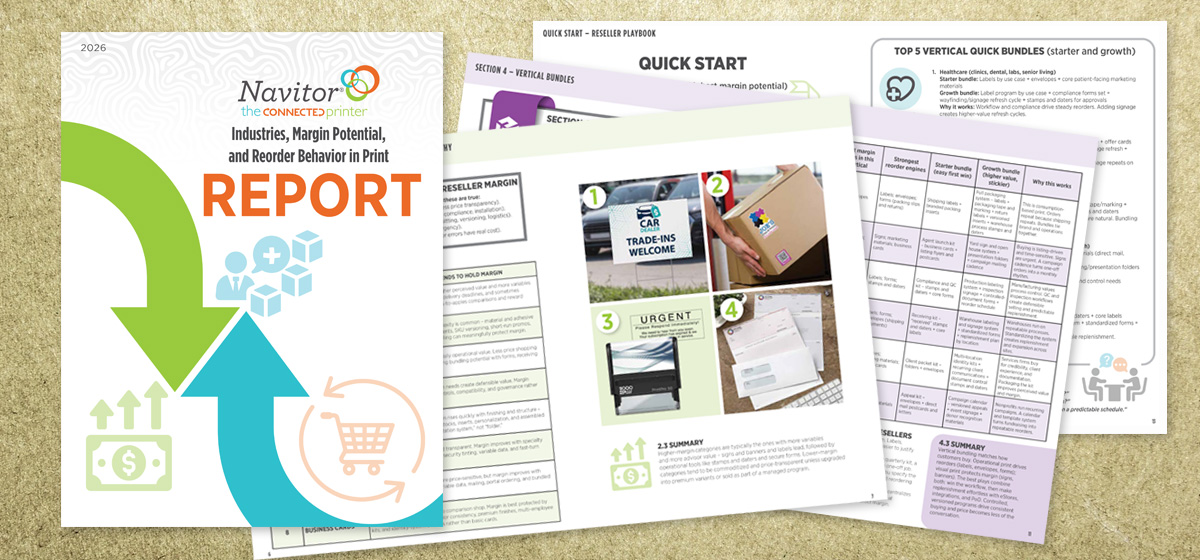
Ready to focus your sales efforts where they can do more good? Use Navitor’s Industries, Margin Potential, and Reorder Behavior in Print report to help identify promising verticals, spot reorder opportunities, and build more intentional outreach. 

View the Industries, Margin Potential, and Reorder Behavior in Print report 

Our History: How Navitor Came to Be

Every company has its unique story and history that shapes who they are, how they operate, and what they value. Navitor is no exception. As a recognized leader in wholesale printing, we are often asked:

  • Who is Navitor?
  • Where does the name “Navitor” come from?
  • How long have you been in business?

We’d like to share our story and offer a closer look at how our company evolved into one of the largest wholesale print providers in the country. 

Navitor officially came together in 2008, but our story starts much earlier.


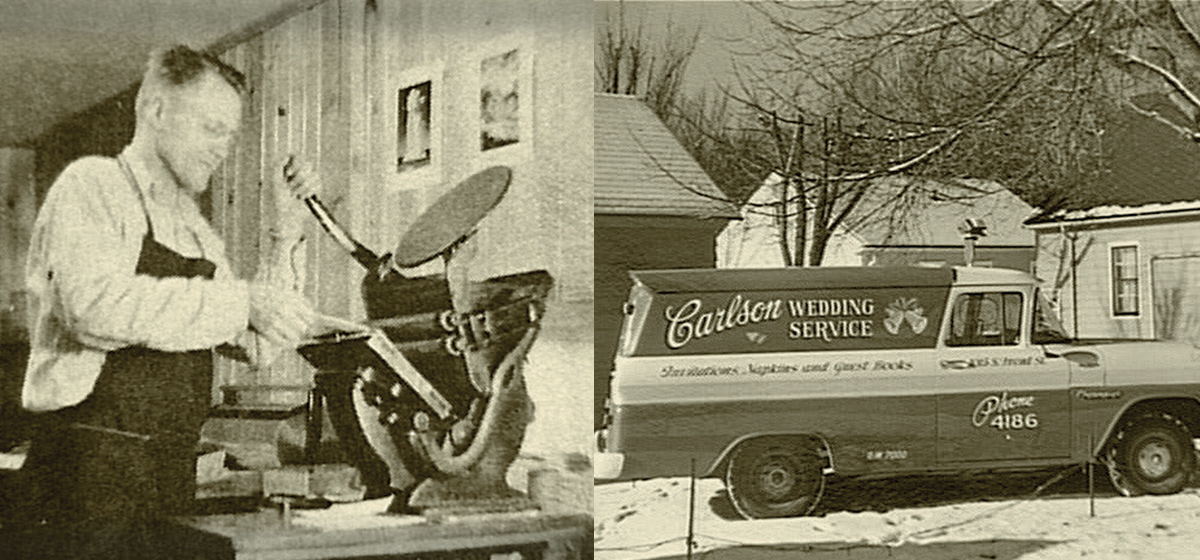
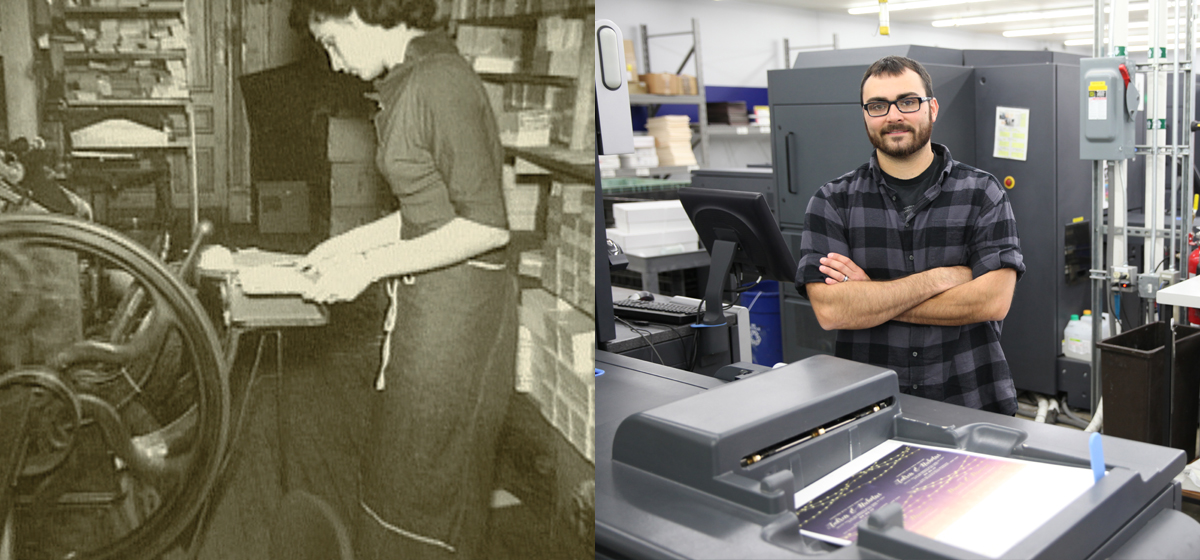
Our roots go back to 1948, when Bill and Betty Carlson launched Carlson Letter Service from their family room in Mankato, Minnesota. That business later became Carlson Wedding Service, then Carlson Craft – one of the earliest companies in the group that would eventually become Navitor.


Glen Taylor started working at Carlson Wedding Service in 1959 when he was a college student. He purchased the company in 1975, marking the beginning of Taylor Corporation. 

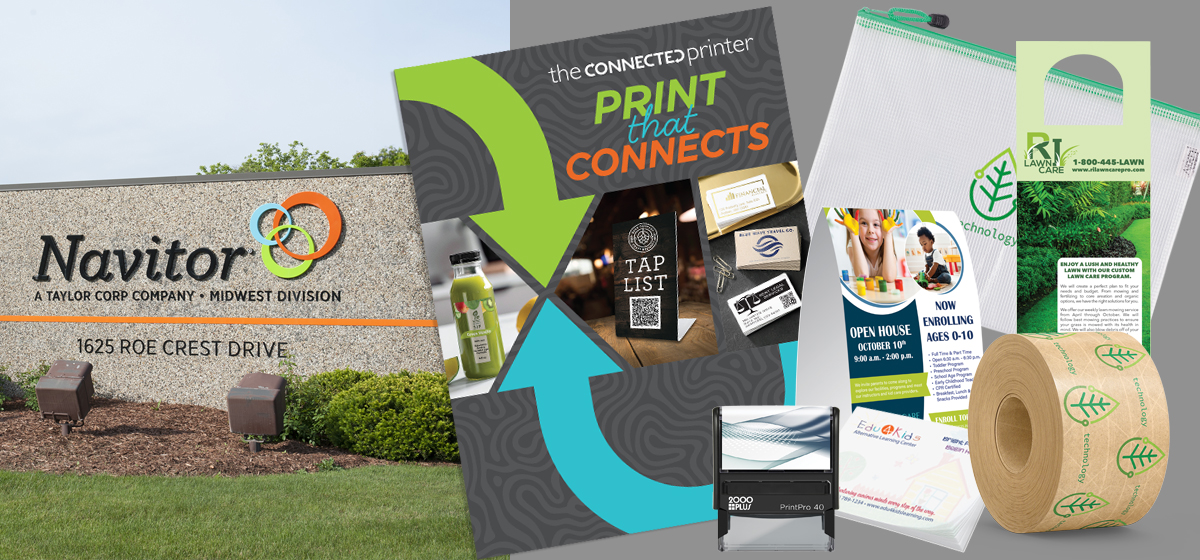
Today, Navitor operates as part of Taylor Corporation, headquartered in North Mankato, Minnesota. We have a broad operating footprint across the United States, Canada and Mexico, supporting a large-scale manufacturing and fulfillment network. Locations include sites in California, Nevada, New Jersey, Texas, Indiana, Tennessee, Ohio, Kentucky, Oregon, New York, Missouri, Arizona, Washington, Nebraska, Pennsylvania, Georgia, Florida, and Illinois. 


How Navitor was formed 

Navitor was officially formed in 2008 when four businesses specializing in personalized business print were brought together under one brand: Carlson Craft Business Solutions, Regency, COSCO, and Label Works. Each brought something important to the table. 

Carlson Craft contributed deep commercial print roots. Regency added a long history in trade printing. COSCO brought expertise in customized rubber stamps and engraved signs. Label Works expanded our capabilities in all things label related. Together, those businesses formed the foundation of Navitor as a unified trade-only print partner for resellers. 

Where our name comes from 

The name “Navitor” comes from the idea of navigation. 

From the start, the name was meant to suggest guidance, direction, and the role of pathfinder. It also reflects two qualities that continue to shape our business: innovation and technology. That meaning still fits. Our role has long been to help resellers find the right path forward – in print, in production, and now in connected ordering and eCommerce. 

Our roots are in print – and so is our future 

Our history is tied to the history of print itself. 

In a look back at nearly 80 years of print history, there have been some major milestones that shaped the industry alongside our own evolution. The timeline includes: 

  • 1949 – the development of phototypesetting  
  • 1951 – inkjet printing  
  • 1957 – dye-sublimation printing (still used in specialty applications such as badges) 
  • 1963 – Pantone’s Color Matching System  
  • 1969 – the laser printer  
  • 1970 – water-based ink  
  • 1981 – the internet  
  • 1983 – desktop publishing  
  • 1987 – soy-based ink  
  • 1988 – Adobe Photoshop  
  • 1993 – the Indigo digital color printer  
  • 1993 – PDF files  
  • 2003 – Wi-Fi laser printers  
  • 2006 – G7 color management (we remain G7 certified today) 
  • 2008 – high-speed production inkjet  
  • 2008 – the Sustainable Green Printing Partnership was formed 
  • 2018 – automation in digital print workflows advanced with tools that reduced manual prepress analysis 
  • 2022 – new high-productivity inkjet platforms pushed digital print further into faster, more automated production 
  • 2023 – generative AI entered mainstream creative workflows 
  • 2024 – new digital press platforms emphasized fewer touchpoints and more automation 
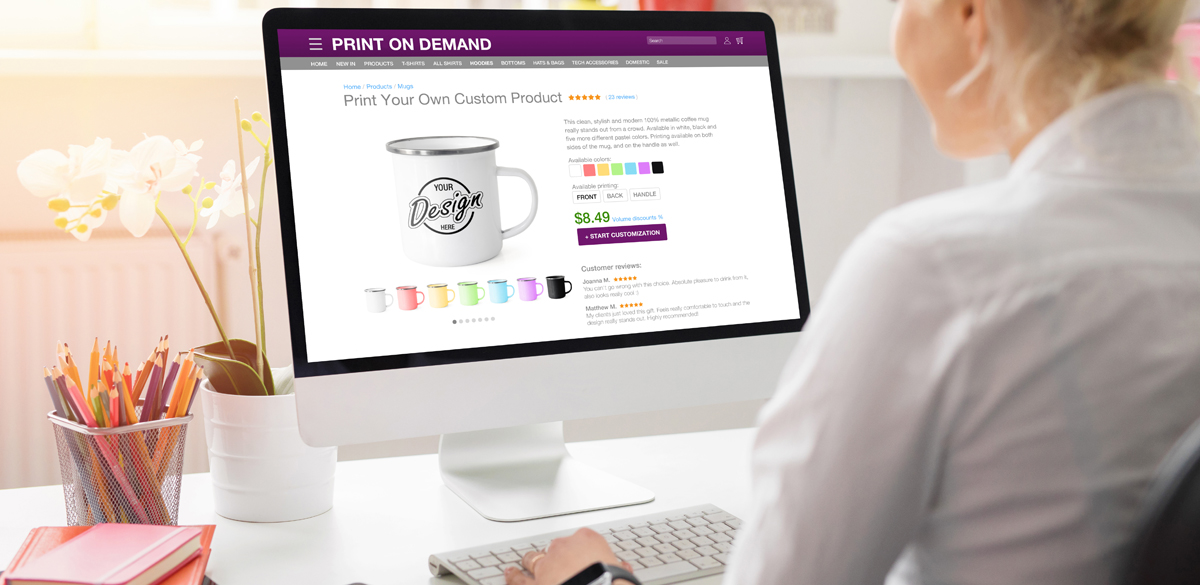
  • 2025 – we expanded our POD capabilities through the acquisition of Gooten 
  • 2026 – Print on Demand, connected ordering, and integrated digital workflows continue reshaping how print is produced and fulfilled 

From wholesale printer to connected print partner 

We began as a trade-only wholesale printer serving resellers, and that remains a core part of who we are. We support distributors, print brokers, designers, marketing companies and other resellers with custom print products across business identity, marketing, labeling, signage, office use, and more. 

But our solution set has grown. 

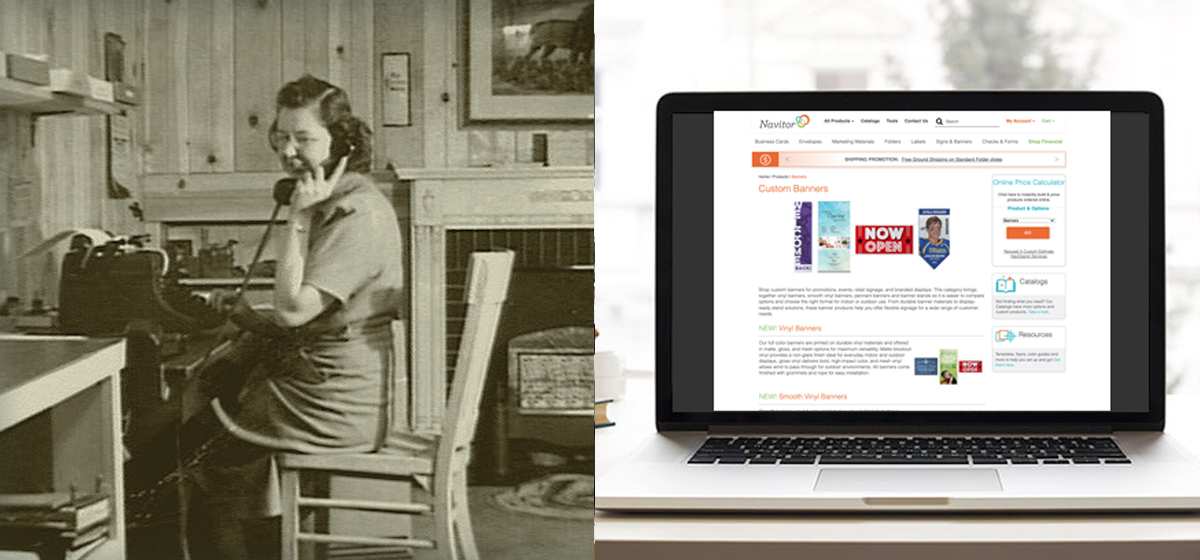
Today, our business reflects a more technology-first approach to print – one that includes traditional wholesale print ordering but also web-to-print ordering, company eStores, Print on Demand capabilities and broader eCommerce support for resellers. Our solutions help resellers serve customers who want to order branded print online, support resellers who want online ordering on their own websites, and give resellers the ability to place orders online on behalf of their customers. 

That shift mirrors broader changes in the industry. Print has become faster, more connected and more responsive to how customers actually buy. Smaller runs. Faster turns. Online storefronts. Branded ordering portals. Less inventory. More flexibility. Print on Demand has become a meaningful part of that story, and our acquisitions and advancements have greatly added to our company’s broader POD and software capabilities. 

New tools, same purpose. The tools keep changing. The purpose does not. 

How Wilmer expanded the story 

Wilmer is also an important part of the Navitor story. Celebrating its 100-year anniversary this year, Wilmer has been serving businesses since 1926, specializing in checksformsenvelopesprescription products, and other business services print. As Wilmer products became available through Navitor.com, Navitor resellers gained access to more of these essential categories, while Wilmer dealers gained access to a wider range of products, online ordering capabilities, self-service tools, and expanded sales and marketing resources through Navitor’s platform. 

More than products 

Over time, our reseller supporting role has also expanded beyond catalogs, flyers, and product access. 

Today, we increasingly show up as a source of guidance for resellers who want to grow with print. That includes thought-leadership and sales-enablement content such as our Industries, Margin Potential, and Reorder Behavior in Print report, which maps industries to product opportunities, highlights margin potential, shares reorder insights, and outlines vertical bundle playbooks. The point is simple: help resellers understand what to sell first, what to do next and what is most likely to turn into repeatable business. 

In other words, we are not just here to print the order. We are here to help resellers make better decisions about the next one too.


Looking back – and ahead 

Our history reflects nearly eight decades of change across print technology, production methods, and the way print is bought and sold. 

From a family-room business in 1948 to the Navitor brand in 2008 to the connected print solutions we offer today, our story has always been about adaptation. Print changed. Customer expectations changed. Technology changed. We changed with it. 

And we are still doing that now.   

Explore What Navitor Makes Possible 

Help Your Print and Promo Clients Do More with Less in 2026

As 2025 wraps up, many businesses are bracing for a careful, watch-the-budget start to the new year. Economic uncertainty, tariff chatter, and leaner marketing allocations are making your clients rethink how – and where – they spend.

The silver lining? Moments like these create an opening for the resellers who help customers spend smarter, plan ahead, and make intentional choices. The resellers who step into that role become the ones clients count on – not just for print, but for clarity, direction, and resourceful solutions.

This is where Navitor’s Connected Printer advantage really shows its strength. With thousands of products, nationwide reach, and tools built for your success, you can help clients stretch their dollars without sacrificing quality, branding, or outcomes.

Here’s how you can guide them into a stronger, more focused 2026.

Sell Value, Not Volume

When clients say they’re “cutting back,” they rarely mean, “We’re disappearing from the market.” They mean, “Help us be smarter with what we do.”

This is your cue to pivot the conversation from quantity to quality of impact. Instead of racing toward the lowest line item, focus on:

  • Formats that truly support their goals
  • Targeted, higher-ROI uses of print
  • Accuracy and consistency that prevent costly do-overs

A client might not need 10,000 brochures, but they do need high-quality, digital short-run brochures that land in the right hands. They might not need a full storefront refresh, but a set of updated window decals can still boost curb appeal – without the full renovation price tag.

This isn’t cost-cutting. This is smarter investing. And clients notice the difference.

Focus on High-Margin Essentials Your Clients Always Need

Even in tighter financial seasons, some needs simply don’t go away. These operational essentials keep businesses running – and they keep your margins healthy:

  • Digital short-run business materials
    Business cards, envelopes, stationery, folders, letterhead – stable, repeatable, and essential across industries.
  • Labels & packaging
    From product labels to folded cartons, these reorder often and are increasingly central to branding and customer experience.
  • Signage essentials
    Window graphics, small-format signs, A-frames, floor decals – small investments that deliver outsized visibility, especially for retailers and service providers.
  • Office staples like custom stamps
    Small, quick wins that reinforce your value as a one-stop resource.

With Navitor’s Connected Printer network behind you, you can offer all of this (and far more) without additional overhead, staffing, or equipment. It’s a low-risk way to protect your margins while keeping clients stocked and confident.

Be the Partner Who Helps Clients Stretch Every Dollar

When budgets tighten, clients don’t just want a vendor – they want someone who brings order to the chaos. Someone who sees the big picture and helps them simplify, streamline, and plan ahead.

Here’s where you shine:

• Offer vendor consolidation through you.
With Navitor’s breadth – commercial print, packaging, labels, signage, office essentials, promo – you can save clients time, reduce complexity, and increase your own share of wallet.

• Recommend smart alternatives.
Short-run digital instead of bulk. Multi-use signage instead of single-season pieces. Packaging that doubles as branding. Print on Demand instead of storing surplus.

• Highlight operational savings, not just marketing wins.
Speed, accuracy, fewer reprints, and consistent branding can be just as valuable as campaign results.

This is how you become the partner they keep, even when budget lines get tight: you help protect their resources and guide their decisions – not with discounts, but with insight.

Use Q4 to Build a Smarter 2026 Plan with Your Clients

The end of the year is a natural moment to regroup and refocus. While budgets reset and priorities shift, your clients are planning how to start 2026 strong – and they appreciate partners who help them think proactively.

Here’s your playbook:

  • Review 2025 order histories.
    Spot patterns. Uncover gaps. Identify items they’ll need again.
  • Plan replenishments now.
    Business cards, envelopes, packaging labels, seasonal signage, branded stationery – encourage them to enter 2026 stocked and ready.
  • Refresh your samples and your pitch.
    End-of-year is a good time to update your sample kits, brochures, and sales materials so you enter the new year with credibility and momentum.
  • Tap Navitor’s Connected Printer
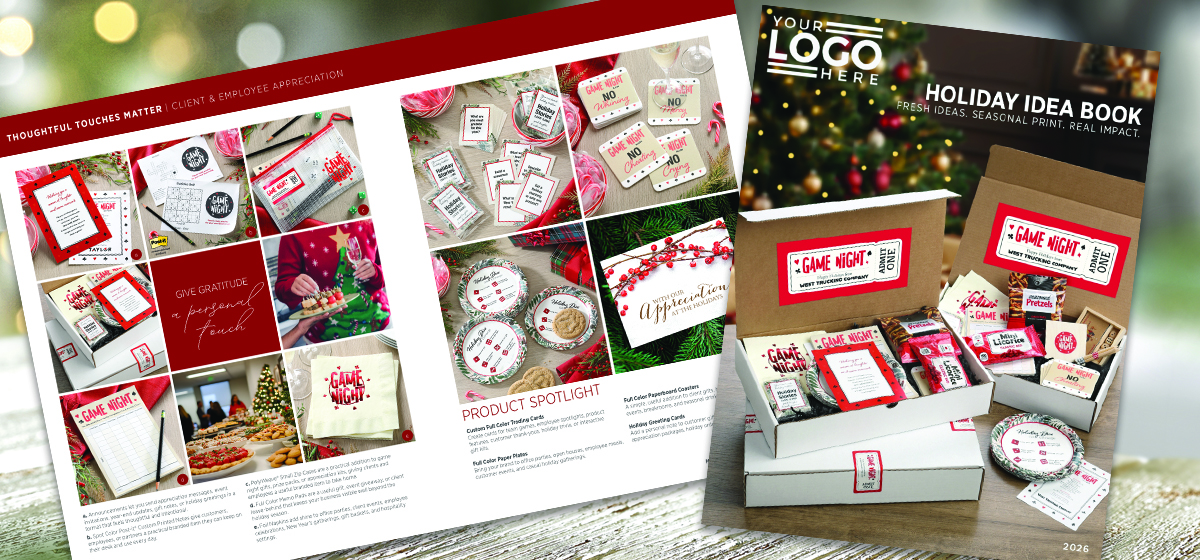
    Catalogs, idea books, and seasonal content are already designed to spark conversations, uncover needs, and grow accounts.

Helping clients plan ahead doesn’t just strengthen their year – it strengthens your pipeline.

Looking Ahead: Tight Budgets Create Space for You to Shine

Businesses that thrive during tight-budget cycles aren’t simply cutting costs. They’re choosing partners who help them navigate complexity with confidence.

This is your moment to deliver that clarity.

With Navitor’s Connected Printer capabilities behind you, you can offer more value, more efficiency, and more creative possibilities – without adding expense on your end.

Tight budgets don’t have to shrink your opportunity. They can expand it – and the steps you take with your customers now can set the pace for a stronger, more intentional 2026.

Seasonal Print Success: Your Quarterly Content Hub

Timely strategies. Turnkey tools. Trusted support.

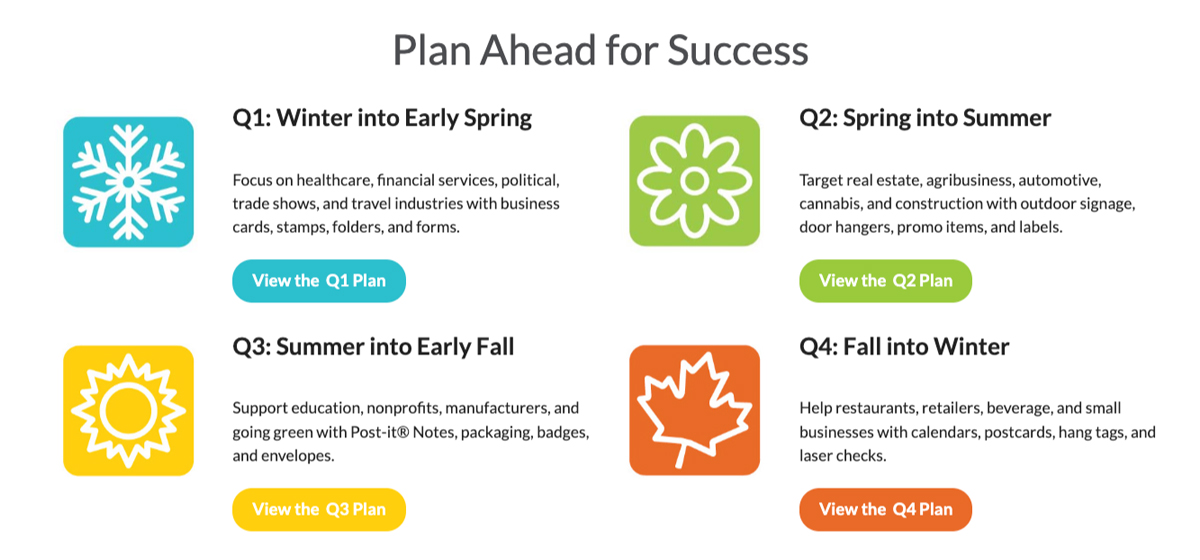
If you’ve ever asked yourself “What print products do my customers need this time of year?” or “How can I promote seasonal print without starting from scratch?” then Navitor’s Seasonal Print Success Hub was built for you.

This quarterly content destination is designed to help custom print resellers stay ahead, plan smarter, and sell more throughout the year. Whether you’re kicking off Q1 strong or closing out Q4 with a holiday push, you’ll find everything you need to meet customers where they are – with the right print at the right time.

What is the Seasonal Print Success Hub?

It’s your one-stop marketing command center, packed with:

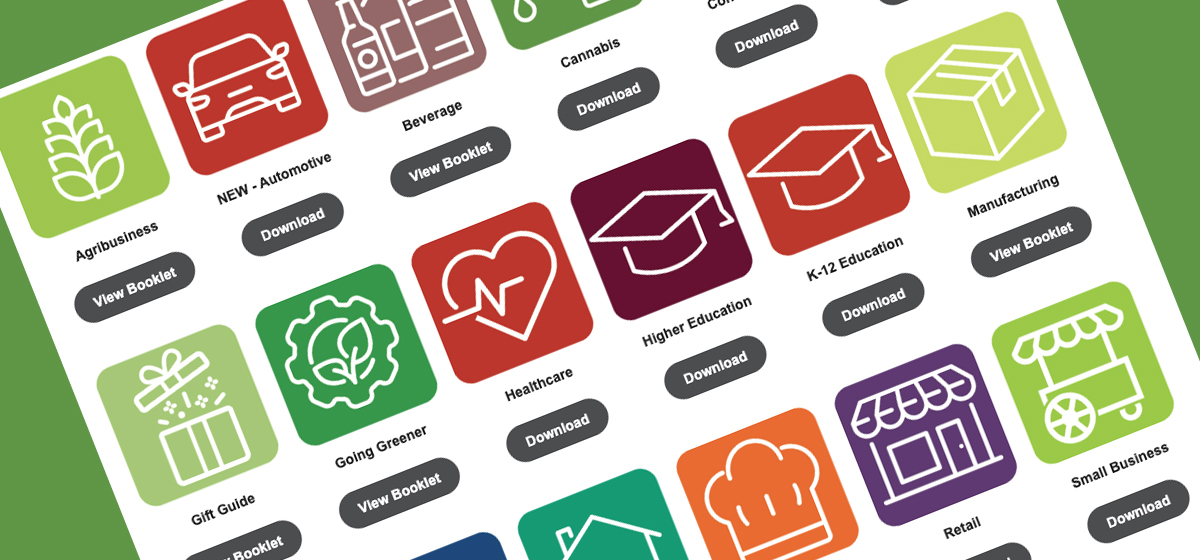
  • Industry-specific flyers and guides that highlight the top-selling print products for key verticals like real estate, automotive, construction, agribusiness, cannabis, and more
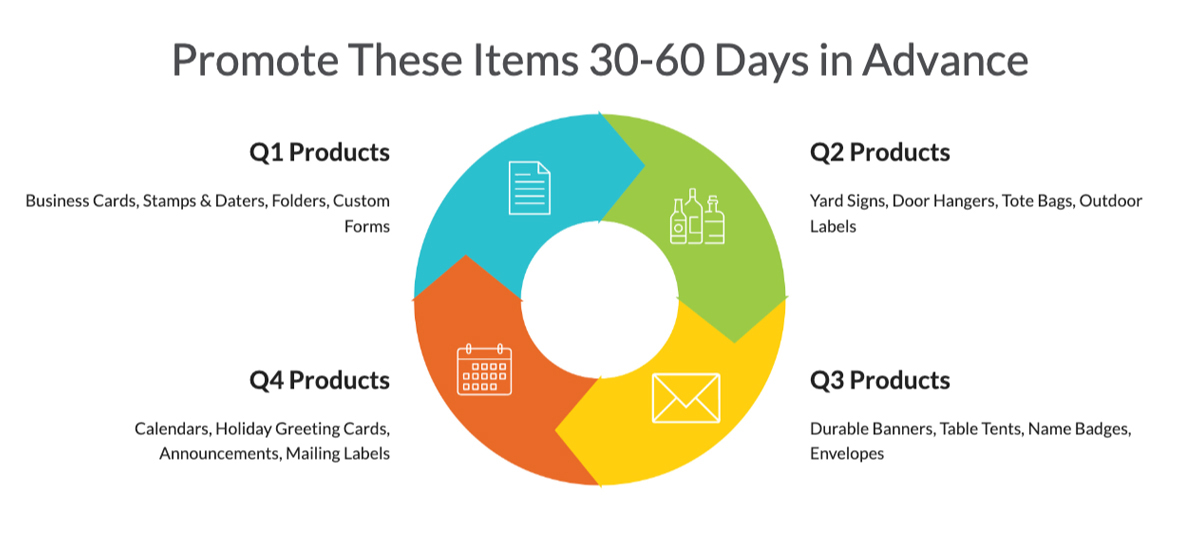
  • Quarter-by-quarter content, so you always know what’s trending and what to focus on
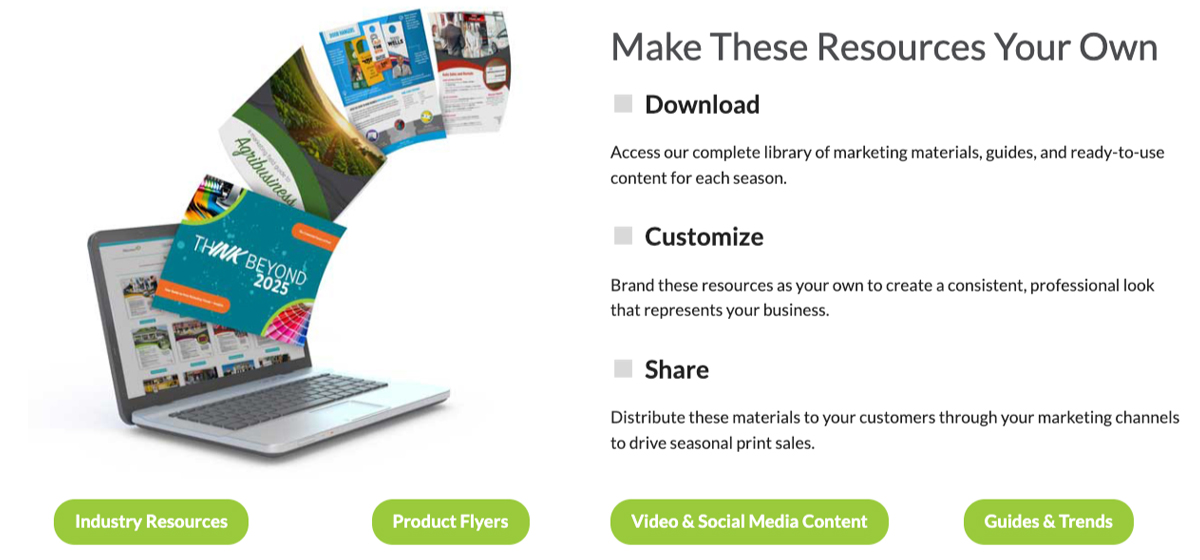
  • Ready-to-use marketing materials, including product flyers, videos, social media posts, GIFs, and seasonal idea books
  • Sales tools you can brand and share to promote your print capabilities and support customer outreach

Each section is curated with selling in mind – helping you respond to seasonal demand, uncover opportunities in specific industries, and guide your customers toward smart, timely purchases.

Why seasonal selling strategies matter

Successful print resellers know that timing is everything. From spring real estate booms to year-end holiday packaging and promo needs, seasonal buying patterns drive demand across industries. The resources in this hub are built to help you tap into that demand with clear value propositions and practical tools.

Looking for Q2 print sales strategies? The Spring into Summer: Q2 Opportunities section points you to what’s hot – like signage for construction crews, labels and co-op materials for ag, and promotional must-haves for cannabis brands heading into event season.

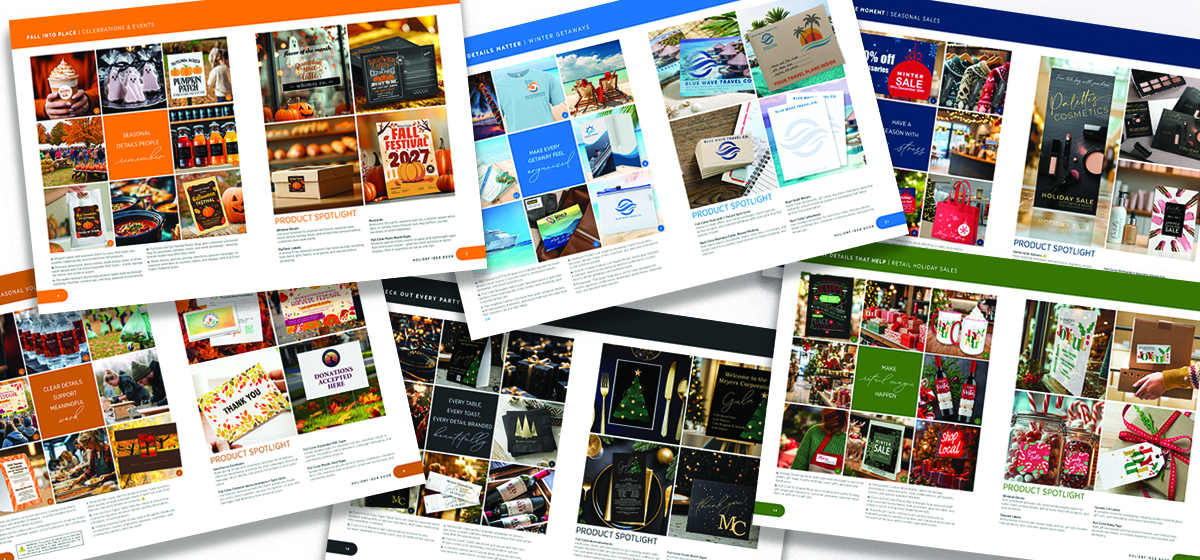
Want to get a jump on Q4 planning? You’ll find downloadable content that makes it easy to promote greeting cards, coasters, napkins, and other festive favorites that businesses stock up on each year.

Your complete library of reseller-ready content

Here’s what you’ll find inside:

Industry Resources

Organized A–Z, this library includes flyers and field guides for specific verticals. They’re packed with product ideas and positioning tips that help you speak your customers’ language – and bring them the print they actually need.

Product Flyers

Top-selling products, clearly explained. Each flyer gives you a deeper look at print products that sell all year long, complete with standout features, popular use cases, and practical sales tips.

Video & Social Media Content

Add energy to your outreach with short videos, scroll-stopping graphics, and downloadable GIFs. It’s all designed to help you stay visible online, even when you don’t have time to create from scratch.

Guides & Trends

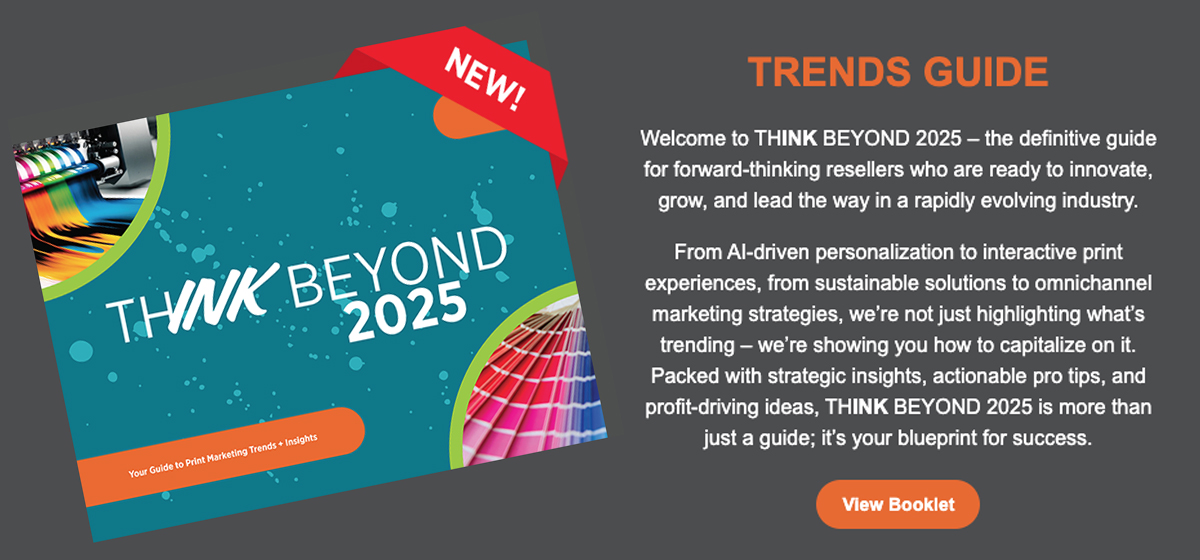
From the Going Greener – Printing Cleaner guide to our quarterly Trends series and Holiday Idea Book, this section helps you spot what’s next – and stay ready with fresh ideas and insights.

Why visit the Hub regularly?

Because your customers’ needs change with the seasons. And this resource changes with them. With each new quarter, we refresh the content to highlight what’s timely, what’s trending, and what’s most likely to drive print sales right now.

Whether you’re looking to plan next month’s outreach, refresh your social media, or have more strategic conversations with key customers, the Seasonal Print Success Hub gives you the tools to do it all – fast.

Navitor: Your partner for print strategy, support, and success

At Navitor, we’re more than your print supplier – we’re your support system. The Seasonal Print Success Hub is just one of the many ways we help you go to market with confidence, backed by expert content and white-label resources you can use to grow your business.

Ready to explore?

Visit the Seasonal Print Success Hub now and bookmark it for every quarter – because seasonal selling doesn’t just happen. You make it happen. We’re here to help.


Print’s Role in the Digital Age

Cutting-Edge Opportunities for Print Resellers in a Digital Age

In a world increasingly dominated by digital communication, print remains an essential, tactile experience that drives brand engagement, credibility, and connection. Trends in short-run packaging, luxury finishes, traditional craftsmanship, sustainability, and premium corporate gifting are ushering in print opportunities for you that drive real value for your customers.

Staying ahead of the curve means embracing new trends and innovations while leveraging traditional techniques that stand the test of time. Here’s what’s shaping the future of print and how you can capitalize on what’s hot.

Short-Run Packaging: On-Demand Branding

As e-commerce continues to thrive, short-run packaging has become the go-to for small businesses and boutique brands. Companies need flexible, low-quantity custom packaging solutions that:

  • Allow for seasonal or limited-edition releases.
  • Provide an affordable way to test new branding or product lines.
  • Offer personalization that resonates with niche audiences.

Offering your customers highly customized, short-run packaging with unmatched efficiency and flexibility significantly differentiates you from your competitors. From folded cartons to shipping envelopes and beyond, this capability allows you to support projects with smaller quantities while maintaining competitive turnaround times and exceptional quality. Just a few examples of the products you can sell include:

  • Custom packaging tape
  • Folded cartons
  • Hang tags
  • Prime labels
  • Shipping envelopes

Coming soon to Navitor.com:

  • Gusseted mailers
  • Padded shipping envelopes
  • Paper bags
  • Reusable pouches

Key Benefits of Short-Run Packaging Solutions

  • Endless Customization: Full customization on a wide range of packaging options is perfect for businesses that need tailored packaging that aligns with their brand.
  • Responsible Packaging Solutions: Short-run packaging can use materials like paper and paperboard – materials that are recyclable and widely available – offering practical choices to help meet growing customer preferences for more environmentally conscious packaging.
  • Faster Time-to-Market: Short-run printing capabilities mean faster production times and quicker delivery, ideal for seasonal packaging, special promotions, or limited-edition products.
  • Variable Data Printing: Including variable data printing enables the personalization of each package with unique details. This feature is ideal for creating customized experiences and enhancing customer engagement.

From custom-printed labels and flexible pouches to water-activated packaging tape, short-run packaging meets the demand for cost-effective, scalable branding solutions.

Pro Tip: Consider the customers and prospects in your pipeline that would benefit from a wide range of short-run packaging solutions tailored to meet a variety of their needs.

Premium Customization: Luxury that Sells

In a marketplace flooded with generic digital advertising, brands are turning to print for a premium, high-touch experience. Luxury finishes and custom enhancements upgrade printed products and create lasting impressions. Trending add-ons include:

  • Foil stamping, metallic inks, and spot UV for a high-end, tactile feel.
  • Textured stocks and soft-touch coatings that transform ordinary materials into unforgettable experiences.
  • Premium upgrades like Extra Thick, Color Core, and Pearlized options to reinforce a brand’s prestige.
  • Unique alternatives for customized packaging such as pillow packs, or foil stamped presentation folders

Pro Tip: When promoting these premium features, highlight how they enhance perceived value and create unique, memorable interactions with customers.

The Resurgence of Traditional Craftsmanship

While technology is evolving, classic print techniques are making a strong comeback, valued for their artistry and prestige. Processes such as engraving, embossing, and debossing exude sophistication, making them perfect for:

  • High-end invitations and event collateral.
  • Luxury stationery and letterhead.
  • Premium corporate gifting and recognition programs.

Pro Tip: Resellers who offer these timeless techniques can tap into the market for businesses looking to differentiate their brand with authenticity and craftsmanship.

Rethinking Business Cards: Beyond the Basics

The role of business cards is expanding beyond traditional networking. Forward-thinking brands are using them creatively as:

  • Product inserts to provide key messaging, QR codes, or discount offers.
  • Product tags that showcase sustainability credentials or brand storytelling.
  • Interactive experiences with scannable augmented reality (AR) elements.

Pro Tip: By repositioning business cards as multifunctional branding tools, resellers can drive new demand and encourage customers to see them as essential marketing assets.

Sustainability: The Must-Have Selling Point

Consumers and businesses alike are prioritizing sustainability, and print is no exception. Eco-friendlier materials and more sustainable alternatives are gaining momentum, with options like:

  • Recyclable products that help brands meet their sustainability goals without compromising quality.
  • Reusable polypropylene solutions, such as Epoly’s PolyWeave®, offer durability and a second life for promotional materials.
  • Biodegradable and FSC®-certified paper stocks, which support environmentally responsible sourcing.

Pro Tip: As a reseller, offering more sustainable print options positions you as a forward-thinking partner, helping your customers align with today’s eco-conscious expectations.

Corporate Gifting: Elevating Brand Loyalty

In an era of digital fatigue, premium corporate gifts hold significant power in fostering relationships and reinforcing brand loyalty. Trending products include:

  • Personalized executive gifts, such as engraved journals or custom wood stamps.
  • Premium drinkware and apparel brands – premium brands of giftables that have a higher perceived value.
  • Branded luxury packaging for high-end promotional items.
  • Eco-conscious gifts that align with corporate social responsibility initiatives.

Pro Tip: Positioning corporate gifting as an opportunity to build brand affinity and long-term engagement can open up new revenue streams for you.

Final Thoughts: Capitalizing on the Future of Print

The digital age hasn’t diminished the impact of print – it’s redefined it. By embracing trends in sustainability, luxury finishes, short-run packaging, traditional craftsmanship, and premium corporate gifting, you can stay ahead of industry shifts and offer innovative solutions that can really make a difference for your customers.

Now is the time to rethink what print can do and how you can help your customers create meaningful, memorable connections through the power of print.

Print on Demand: Meeting the Needs of Modern Businesses

For businesses today, maintaining brand consistency across multiple locations and marketing channels is a constant challenge. The traditional print process – designing, sourcing files, reviewing artwork, requesting quotes, placing orders, and approving proofs – can be time-consuming and inefficient. That’s why more companies are turning to Print on Demand (POD) solutions. And for resellers, that shift presents a massive opportunity.

Print on Demand: More Than a Trend

POD isn’t just a passing fad – it’s a staple now and in the future of print. As brands look for ways to work faster, smarter, and with less waste, the demand for streamlined, customizable, and flexible print solutions is skyrocketing. The ability to order what’s needed, when it’s needed – without stocking inventory – is no longer a luxury; it’s an expectation.

What Businesses Need (And What You Can Offer)

Your customers aren’t just looking for print products; they’re looking for a seamless, efficient experience that supports their brand across all touchpoints. They need:

  • Brand consistency – materials follow brand guidelines no matter who places the order.
  • Speed – Fast, automated ordering without delays.
  • Personalization – Tailored print materials that resonate with individual recipients.
  • Customization – Options for different sizes, finishes, and messaging that reflect their unique brand.
  • Flexibility – The ability to scale up or down based on demand.

Businesses are prioritizing reducing obsolescence – no more warehouses full of outdated marketing materials. Instead, they’re opting for digital-first solutions that allow them to print only what they need, when they need it.

Seamless Print Solutions with Navitor

For resellers, the opportunity has never been greater. With Navitor, The Connected Printer, you can provide your customers with:

  • Online storefronts where customers can order their branded materials in seconds.
  • Custom small and large format printing, from business cards to signage and direct mail.
  • Unique finishing options for high-quality, standout pieces.
  • Technology-driven automation to simplify complex print projects.
  • Low minimum quantities – some products like badges, signs, and stamps can be ordered in quantities as few as one.

By offering turnkey solutions that eliminate the manual hassles of print marketing you give your customers the efficiency and speed they expect.

The Power of Repeat Business for Resellers

One of the biggest advantages of offering POD solutions is repeat business. When customers have access to a dedicated online storefront, they can quickly reorder essential print materials without needing to start from scratch each time. This convenience keeps them coming back to you for all their print needs, strengthening long-term relationships and increasing customer loyalty. By setting up an online storefront for your customers, you:

  • Lock in repeat orders with a seamless, always-available ordering experience.
  • Reduce friction in the buying process, making it easier for businesses to reorder with confidence.
  • Keep your customers loyal by providing an indispensable tool that simplifies their workflow.
  • Increase revenue by ensuring your customers consistently purchase their branded materials from you rather than seeking alternatives.

Your One-Stop Print on Demand Partner

Navitor streamlines POD with seamless integration, nationwide production, and a vast product catalog – all backed by a flexible fulfillment network and real partnership. Our vast production network ensures efficient routing and scalability, while our easy-to-integrate API connects you to thousands of customizable SKUs. Whether you’re launching or growing, we adapt to your needs, making fulfillment effortless and reliable.

With Navitor’s connected solutions, you can position yourself as the go-to print on demand provider, offering an easy, automated way for your customers to have quick access to essential branded materials.

Ready to Get Started?

It’s never been easier to sell custom, on-demand print solutions. See how Navitor’s connected solutions can grow your business. Want a quick assessment? Request a Flash Appraisal today.

5 Vertical Markets on the Rise

Where Resellers Can Win Big

When it comes to selling print, the landscape is always shifting. Some industries are slowing down, while others are charging full speed ahead – and where there’s growth, there’s opportunity. Today, several key vertical markets are booming, creating fresh demand for print products that help businesses stand out, connect with customers, and keep operations running smoothly.

While digital marketing grabs the headlines, print remains a powerhouse for brand presence, customer trust, and real-world engagement. The best part? These growing industries need the kind of high-impact print you sell – labels, packaging, signage, branded materials, and more.

So, which markets should you focus on to boost your sales this year? Keep reading to discover five industries on the rise – and how to position your print solutions to win big.

1. Manufacturing: A Powerhouse for Print

Manufacturing is experiencing a resurgence, driven by reshoring efforts, increased automation, and supply chain diversification. As companies scale production, their need for branding, compliance, and operational print materials is growing. Manufacturers rely on print more than you might think – from branded labels and packaging to safety signage and marketing collateral. In addition to labeling and packaging for finished goods, the logistics part of the business is an opportunity for printed products.

Opportunities:

  • Packaging & Labels: Branded product labels, compliance labels, and eco-friendlier packaging solutions.
  • Signage: OSHA-compliant safety signs, directional signage, and promotional banners.
  • Marketing & Stationery: Product brochures, business cards, custom forms, and branded folders.

Pro Tip: Offer bulk discounts for high-volume label and packaging orders. Manufacturers value consistency – so emphasize repeat ordering and brand consistency. Our Marketing Field Guide to Manufacturing & Packaging is a great place to start.

2. Events & Experiences: The Print-Heavy Power Player 

Live events are in full swing, with demand surging for in-person trade shows, festivals, and corporate gatherings. Brands are investing heavily in immersive experiences, making high-impact print materials essential for engagement and visibility. From trade shows to music festivals, live experiences rely on print for brand visibility and attendee engagement.

Opportunities:

  • Event Signage: Posters, retractable banner stands, foam board, expanded PVC, yard signs, and A-frames.
  • Branded Swag: Custom-printed tote bags, water bottles, and apparel.
  • Tickets & Programs: VIP passes, event tickets, lanyards, and event guides.

Profit-Driving Idea: Bundle event signage with promotional items to create complete event marketing packages. For more ideas, check out our Tradeshows & Events flyer.

3. Education: A Steady Demand for Print

The education sector continues to expand, fueled by increased enrollment and hybrid learning models. Schools and universities rely on print for branding, communication, and student engagement for both Admissions and Alumni Relations, making it a consistent revenue stream for resellers.

Opportunities:

  • Student & Staff Materials: Name and ID badges, letterhead and envelopes, branded folders, and notebooks.
  • Wayfinding & Safety Signage: Classroom door signs, campus maps, and emergency signs.
  • Recruitment & Fundraising: Brochures, postcards, alumni event mailers, and mailing envelopes.

Pro Tip: Position yourself as a go-to print provider for seasonal needs like back-to-school campaigns, graduations, and fundraising events and mailings. Our K-12 and Higher Education industry flyers help you navigate the education sector with confidence.

4. Healthcare: Essential, Regulated, and Print-Dependent

Healthcare remains a high-growth industry, with expanding medical facilities and regulatory changes driving demand for printed materials. From compliance documentation to patient education, print plays a critical role in keeping operations smooth and professional. Hospitals, clinics, and medical offices require compliant and professional print materials daily. For print solutions that keep healthcare on track, rely on this brandable Healthcare industry flyer.

Opportunities:

  • Patient & Office Materials: Prescription pads, appointment reminders, and branded business stationery.
  • Informational Print: Rack cards, brochures, and labor law posters.
  • Wayfinding Signage: Pedestal signs, A-frame boards, and decals.

Profit-Driving Idea: Schedule recurring monthly or quarterly meetings for healthcare offices that require frequent reorders.

5. E-Commerce & Online Marketplaces: The Boom Continues

E-commerce continues its rapid expansion, with small businesses and major brands alike seeking ways to differentiate themselves. Custom packaging, branded inserts, and print-on-demand solutions are crucial for creating a memorable unboxing experience and building customer loyalty. With e-commerce sales surging, brands need standout print solutions for packaging and customer engagement.

Opportunities:

  • Branded Packaging: Flexible pouches, folded cartons, water-activated packaging tape, and shipping labels.
  • Print-on-Demand: Stickers, hang tags, and product inserts.
  • Marketing & Loyalty Materials: Thank-you cards, coupon inserts, promo and apparel, and mailers.

Pro Tip: Be the one-stop resource for a wide range of solutions that help startups and small business owners, including setting up a corporate store with branded products.

Seizing the Growth Opportunities

These are just a few of the vertical markets that are expanding, and custom print resellers have an opportunity to thrive by targeting industries that rely on tangible, high-quality print. Whether it’s manufacturing’s need for durable labels, healthcare’s compliance-driven print, or e-commerce’s demand for premium packaging, there’s significant profit potential in every sector. By positioning yourself as their go-to print expert and offering tailored solutions, you can ensure your business grows alongside these booming industries.

Ready to take advantage? Start reaching out to key decision-makers in these industries today and show them how print is still a powerful part of their success story.

The Big Picture: Industry Shifts and Opportunities

Disruptors, Trends, and Opportunities for Print Resellers

The print industry is experiencing a transformation unlike anything we’ve seen before. As technology advances, consumer behavior shifts, and market demands evolve, print resellers must either adapt – or risk falling behind.

Today, there are five key disruptors redefining the print landscape: artificial intelligence (AI), Print on Demand (POD), sustainability, phygital print, and the rise of the creator economy. These forces aren’t just challenges – they’re massive opportunities for resellers to grow their business, differentiate their offerings, and increase profitability.

1. Artificial Intelligence: Print’s Smartest Revolution Yet

AI is no longer a futuristic concept – it’s embedded in nearly every aspect of modern marketing and production. It’s optimizing workflows, improving customer experience, and revolutionizing marketing strategies. Brands are rapidly adopting AI-driven strategies to personalize, optimize, and accelerate their marketing efforts.

What It’s Disrupting Print

  • Hyper-Personalization is the New Standard – AI enables brands to create customized print campaigns based on behavior, purchase history, and preferences, making mass personalization scalable.
  • Predictive Marketing Powers Print – AI-driven insights allow brands to anticipate customer needs and send highly targeted print materials that drive action.
  • Content Creation at Lightning Speed – AI-powered tools generate high-converting headlines, ad copy, and designs in seconds, accelerating the print marketing process.
  • AI-Optimized Mailing Lists – Machine learning refines mailing lists, ensuring print materials reach the right audience at the right time.

What Resellers Must Do Now

  • Offer Enhanced Personalization – Print is no longer one-size-fits-all. Resellers who market themselves as a provider of ultra-personalized print campaigns will win over the brands looking for smarter print solutions. An easy start? Postcards.
  • Use AI to Work Smarter – Leverage AI-powered marketing tools for your own business – automating email outreach, refining prospecting lists, and optimizing messaging.
  • Sell Smarter with AI Data – Use AI-enhanced prospecting tools to identify potential customers more accurately, focusing on industries that benefit most from data-driven print.
  • Integrate AI-Enhanced Print with Digital – Help clients bridge print and online engagement through QR codes, PURLs, and AR-powered packaging.
  • Become the AI Print Expert – Don’t wait for clients to ask about AI – proactively show them how intelligent print strategies can drive better ROI.

2. Print on Demand (POD): Meeting the Demand for Customization and Flexibility

POD is on the rise as brands and consumers shift toward smaller, on-demand print runs rather than bulk orders. This shift is reshaping how businesses produce and distribute printed materials.

Why It’s Disrupting Print

  • The Growing Need for Relevance – Consumers expect personalized, one-off communications rather than mass-produced print.
  • Zero Obsolescence – Brands want to minimize waste and eliminate the risk of overstocking printed materials.
  • Speed + Customization – E-commerce platforms make it easier than ever to integrate on-demand print solutions.

What Resellers Must Do Now

  • Expand POD Offerings – Labels, packaging, signage, and promo materials can all be POD-friendly.
  • Integrate Seamlessly with E-Commerce – Tap into tech-driven platforms to offer solutions for your customers to order print on demand with ease. Get started here.
  • Offer Smart Pricing Models – Dynamic pricing encourages volume purchases without requiring large upfront commitments.

3. Sustainability: A Competitive Advantage in a Greener Future

Sustainability isn’t just a trend – it’s an expectation. Customers and businesses are demanding eco-friendly print solutions, and resellers who adapt will gain a loyal customer base.

Why It’s Disrupting Print

  • Greener Goals – Companies are under pressure to meet sustainability goals and reduce their carbon footprint.
  • Conscientious Buyers – Consumers prefer brands that prioritize environmentally responsible materials and processes.
  • The New Norm – Advancements in eco-friendly materials and sustainable printing methods make greener print more accessible and cost-effective.

What Resellers Must Do Now

  • Offer More Sustainable Print Options – Recycled paper, responsibly sourced stocks, and FSC®-certified products are key selling points.
  • Educate Clients on Greener Printing – Position your business as an expert in more sustainable print solutions. Go beyond recycled paper here.
  • Promote Eco-Friendlier Inks & Reusables – Highlight water-based, soy-based inks and reusable materials like polypropylene.

4. Phygital Print: The Blurring of Physical and Digital Experiences

Print is no longer a standalone medium – it’s a gateway to digital engagement. Augmented reality (AR), QR codes, and NFC technology are making print interactive, transforming everything from direct mail to packaging.

Why It’s Disrupting Print

  • It’s No Longer One Without the Other – Consumers expect seamless interaction between physical and digital marketing.
  • The Tools are Here – AR, QR codes, and NFC technology bridge the gap between print and digital engagement.
  • The Marketing Workhorse is Evolving – Print is advancing into an interactive, data-driven medium that enhances customer journeys.

What Resellers Must Do Now

  • Sell Print as a Digital Bridge – Show clients how print can drive online actions with interactive elements.
  • Incorporate AR and QR Technology – Help brands create engaging, trackable print experiences.
  • Educate Clients on Phygital Strategies – Position yourself as a leader in connected print solutions.

5. The Rise of the Creator Economy: Print’s Newest Growth Market

Independent creators, influencers, and small brands are fueling demand for custom-printed products, from merch to packaging to promotional materials. With the creator economy set to reach $500 billion by 2027, this shift presents a massive opportunity for print resellers.

Why It’s Disrupting Print

  • Social media and e-commerce platforms make it easier for individuals to launch personal brands.
  • Creators seek high-quality, custom-branded print products to differentiate themselves.
  • Direct-to-consumer brands are driving demand for small-batch, high-margin printed goods like custom labels, stickers, and packaging.

What Resellers Must Do Now

  • Partner with Creators & Influencers – Offer white-label print solutions they can sell under their brand.
  • Cater to Small-Batch Print Runs – High-quality, flexible printing is key to serving this market.
  • Offer End-to-End Branding Solutions – Provide packaging, labels, and promo products that help creators build their brand identity.

Final Thoughts: The Future of Print is Here – Will You Lead or Follow?

The print industry isn’t just evolving – it’s being redefined. Resellers who embrace AI-driven personalization, expand into POD, champion sustainability, integrate digital experiences, and tap into the creator economy will be the ones shaping the future.

The question isn’t whether print will survive – it’s whether your business will lead the charge. Adapt now, and you won’t just stay relevant – you’ll thrive.

Top 5 Reasons YOU Should Use Custom Presentation Folders

Differentiating your organization in a crowded marketplace is essential. Custom presentation folders provide a polished, professional look and make a big impression. Elevate your brand with folders that protect and amplify the value of the documents they hold. Custom presentation folders are a way for recipients to easily refer back to important information, and they also complement other branded collateral. Choose from a variety of sizes and styles in a wide range of stocks, with print and finishing options that make your brand shine.

Using presentation folders can significantly enhance the professionalism and effectiveness of your presentations. Here are the top five reasons to consider using them:

  1. Professional Appearance:
    • Presentation folders help to create a polished and professional impression. They organize your materials neatly, making it easier for your audience to follow along and take you seriously.
  2. Branding Opportunities:
    • Customizable presentation folders offer an excellent opportunity to showcase your brand. You can include your company logo, colors, and other branding elements, which helps reinforce your brand identity and make a lasting impression.
  3. Organization and Accessibility:
    • Presentation folders keep all your documents, brochures, business cards, and other materials in one place. This not only keeps you organized but also makes it easier for your audience to access and review the information you provide.
  4. Enhanced Information Delivery:
    • By using sections, pockets, and inserts, presentation folders allow you to present information in a structured and logical manner. This can help your audience understand and retain the information better.
  5. Versatility and Reusability:
    • Presentation folders are versatile tools that can be used in various settings, such as meetings, conferences, and sales pitches. They can be reused multiple times, making them a cost-effective investment for ongoing professional use.

Elevate the quality of your presentations and leave a strong, positive impression on your audience.

Here’s a great custom presentation folders flyer to view!Custom Presentation Folders Flyer