Retailers and small businesses don’t usually wake up thinking, “We should order more print today.”
They realize they have a new employee who needs business cards. A seasonal promotion that needs to be announced. A product that needs a label. An event that needs signage. Or a stack of envelopes that’s getting dangerously low.
The print order follows the change.
For you, that’s an important distinction. The best opportunity may not begin with a customer asking for a specific printed product. It may begin with a new hire, an updated offer, a product launch, a busy season, or a change in how the business serves its customers.
Pay attention to what’s changing, and you will often find the next print need.
Consider it your Reorder Radar: a way to recognize the business moments that lead retailers and small businesses back to practical, frequently used print products.
Here are five categories that deserve a regular place in those conversations.
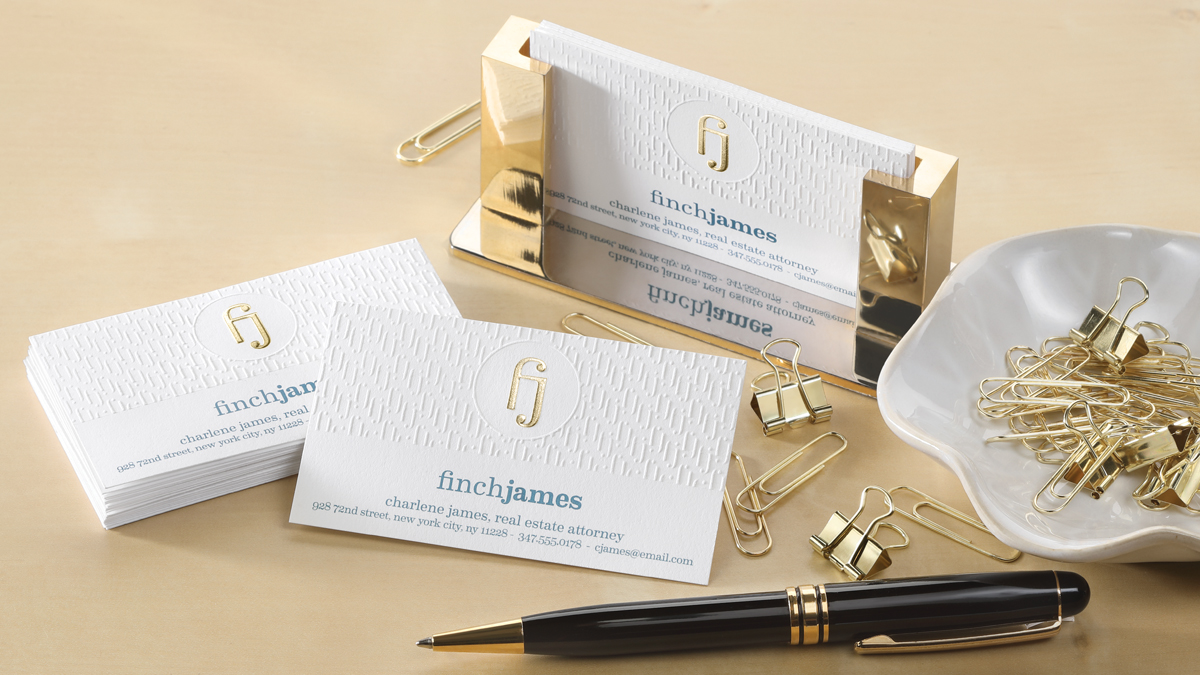
1. Business Cards: When the Team or Contact Information Changes
Business cards remain one of the most familiar printed pieces, but the opportunity extends well beyond placing a name and phone number on cardstock.
They support networking, appointments, sales calls, vendor meetings, events, referrals, and everyday introductions. They also give you an easy reason to check whether other branded materials need attention.
Common business card order triggers include:
- A new employee joins the team.
- An existing employee receives a new title.
- The company changes its address, phone number, or website.
- A new location opens.
- The business refreshes its branding.
- A conference, trade show, or networking event is approaching.
Rather than moving directly to quantity and stock, ask:
“Is this update for one person, or are there other team members and materials that need the same changes?”
A new business card order may uncover outdated name badges, letterhead, envelopes, presentation folders, or notepads. If the logo, address, or contact information has changed in one place, it may need to change in several others.
Business cards are often the first request. A coordinated brand update may be the bigger opportunity.

2. Flyers, Brochures, and Postcards: When the Offer Changes
Retailers and small businesses are constantly giving customers reasons to pay attention.
They introduce services, run promotions, prepare for community events, update menus, announce openings, explain products, and remind customers what makes the business useful.
Flyers, brochures, and postcards can support all those needs.
These pieces may be handed out, displayed at the counter, inserted into bags or shipments, included in presentation folders, distributed at events, or used by sales representatives as leave-behinds.
Listen for order triggers such as:
- “We’re launching a new service.”
- “We have a summer promotion coming up.”
- “We’re participating in a local event.”
- “Our pricing or product selection has changed.”
- “We need something customers can take with them.”
- “We need to explain this more clearly.”
A helpful follow-up question is:
“Where will customers encounter this message, and what do you want them to do next?”
The answer can help determine whether the customer needs a flyer, brochure, postcard, rack card, door hanger, table tent, poster, or combination of pieces.
It may also create an opportunity to connect print with digital content. A QR code on a brochure, flyer, table tent, label, or postcard can send customers to an appointment page, menu, online store, product demonstration, special offer, event registration form, or review site.
The printed piece gets attention. The digital destination provides the next step.
More Ways to Support Small Business Customers
From everyday brand materials to promotional pieces and customer communications, Navitor’s Small Business Industry Flyer can help you start broader conversations and identify more ways to support local businesses.
3. Labels and Hang Tags: When the Product Changes
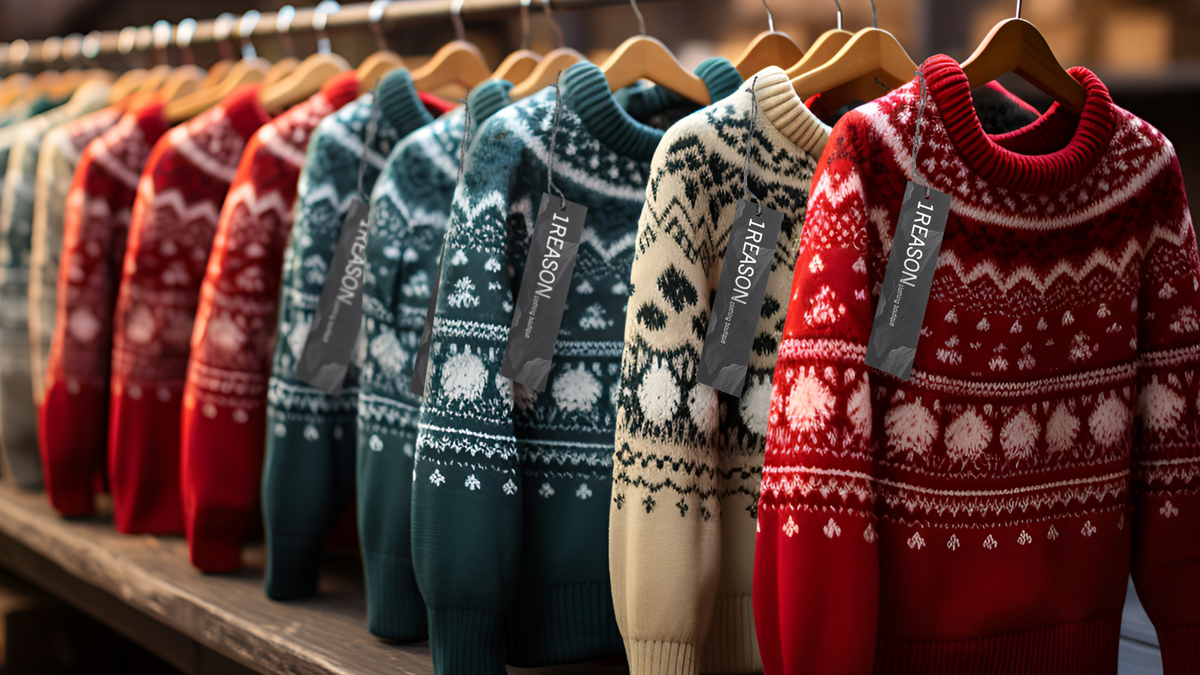
For retailers and product-based businesses, the product itself creates a steady stream of print needs.
New varieties need labels. Seasonal merchandise needs hang tags. Updated packaging needs revised information. Special editions, product launches, and expanded inventory may require entirely new versions.
Custom labels and hang tags can help businesses communicate:
- Product names and varieties
- Pricing
- Ingredients or instructions
- Sizes and specifications
- Promotional messages
- Brand information
- Seasonal or limited-edition details
Because products and inventory change, these pieces often create solid reorder potential.
When a customer requests labels or hang tags, ask:
“Where does the product go after this piece is applied?”
Does it sit on a shelf? Hang on a display? Go into a shipping envelope? Get packed into a folded carton? Travel directly to the customer? Appear at a market, event, or retail counter?
That one question can broaden the packaging conversation.
A label request may lead to hang tags, decals, branded packaging tape, shipping envelopes, or folded cartons. The right combination depends on what the product needs to communicate, how it is sold, and how it reaches the buyer.
Your role is not to add packaging elements simply to increase the order. It is to help the customer identify which pieces make the product easier to recognize, understand, handle, display, or ship.

4. Posters, Banners, and A-Frames: When the Space Changes
Retailers and local businesses need to communicate with customers before they enter, as they move through the space, and when they reach the point of purchase.
That makes signs and displays a recurring need rather than a one-time purchase.
Posters, banners, and A-frame or sandwich-board signs can help announce:
- Sales and limited-time offers
- Grand openings
- Seasonal promotions
- New products or services
- Events
- Business hours
- Pickup instructions
- Wayfinding information
- Temporary operational changes
The right sign depends on where the message needs to work.
Ask:
“Where does someone need to see this – from the street, at the entrance, inside the location, or near the point of purchase?”
A message aimed at passing traffic may call for an A-frame sign or a banner. A customer already inside the business may be better reached with a poster, pedestal sign, table tent, counter sign, or decal.
The need may also extend beyond the sign itself.
A sidewalk sign announcing a promotion could be supported by matching posters inside, flyers customers can take home, counter materials that explain the offer, and labels that carry the promotion through to the product.
Think about the full path:
What gets someone to stop? What helps them understand the message? What gives them a next step?
That’s where one signage request can become a more coordinated promotion.
Take the Retail Conversation Beyond One Product
Navitor’s Retail Industry Flyer brings together print ideas for storefront visibility, in-store promotions, product presentation, packaging, and everyday customer communication.
 5. Letterhead, Envelopes, and Notepads: When the Business Changes
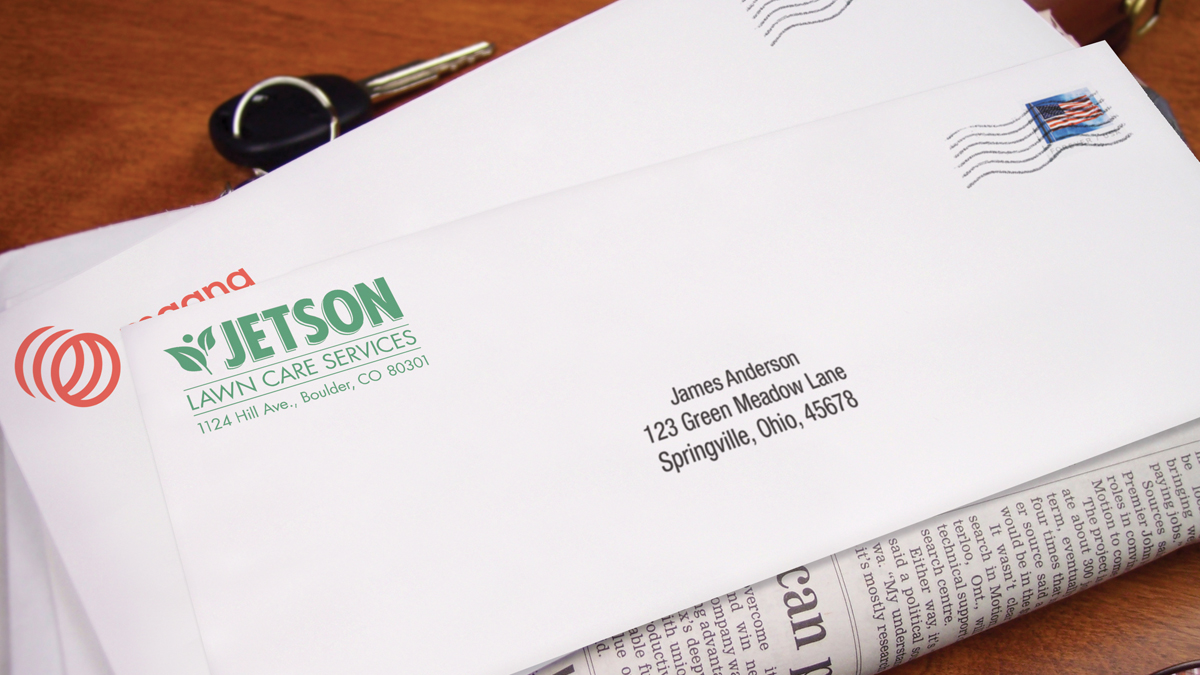
Promotional print may receive more attention, but the materials businesses use every day can create some of the most dependable reorder opportunities.
Letterhead, envelopes, and notepads support customer correspondence, proposals, estimates, appointments, internal communication, sales meetings, and routine business operations.
They’re practical, visible, and frequently replenished.
Order triggers may include:
- A change in branding
- New contact information
- A new office or location
- Updated customer packets
- Growth in staff or sales activity
- Changes to business processes
- Inventory running low
- A new need for branded correspondence
A useful question is:
“Which materials does the business use repeatedly, and which ones still show outdated branding or information?”
A letterhead update may reveal that envelopes, folders, forms, business cards, notepads, or stamps also need attention.
This is especially helpful for customers who update items one at a time. A quick review can help them avoid using an old address on one piece, a former logo on another, and current branding everywhere else.
The opportunity is not about making everything match for appearance alone. It is about helping the business communicate accurately and consistently wherever customers encounter it.

Listen for the Change Behind the Request
The five categories above are useful because they connect to events that happen repeatedly in retail and small business.
When a customer says:
- “We hired someone new.”
- “We are running a promotion.”
- “We added a product.”
- “We have an event coming up.”
- “We changed our logo.”
- “We are opening another location.”
A print conversation is probably close behind.
The product they request may be only the first item they have considered.

What They Asked For – and What May Come Next
Imagine a local boutique contacts you for labels for a seasonal product line.
The immediate need is clear. But a few questions may reveal that the collection will also have hang tags, an in-store launch, and online orders.
Now the conversation may include:
- Product labels
- Hang tags
- An A-frame sign announcing the launch
- Posters inside the store
- Promotional postcards placed in customer bags
- Branded packaging tape for online shipments
Or consider a service-based small business ordering business cards for a new employee.
A conversation about how the employee will work with customers may uncover a need for:
- Presentation folders for estimates
- Branded notepads for appointments
- Door hangers for neighborhood outreach
- Flyers explaining key services
- Updated name badges or stationery
Neither conversation requires an aggressive sales pitch. It requires curiosity.
You ask: “What changed, where the printed piece will be used, and what else supports the same goal?”

Build Repeat Business by Making the Next Need Easier to See
Retailers and small businesses keep returning to these print staples because their businesses keep moving.
Employees join. Offers change. Products launch. Promotions rotate. Information gets updated. Supplies run out.
Resellers who understand those patterns can become more useful long before the customer searches for a specific product.
On your next customer call, try asking:
“What is changing in the business right now?”
The answer may point directly to the product they requested. It may also reveal a need they have not considered yet.
That’s where repeat business often begins – not with a product pitch, but with a better question.
Discover all that Navitor has to offer today. You’ll be glad you did.
 About Julie Carlson-Kulla