Who to Target, When to Sell, and How to Win the Order
Printed holiday cards are easy to underestimate.
They arrive during a season dominated by promotional emails, social posts, and digital offers. Yet that contrast is precisely what gives a physical card its value. It requires a little more intention – and recipients notice.
For print resellers and distributors, holiday cards offer more than a short-lived seasonal sale. They can open conversations about customer appreciation, retention, segmentation, and year-round relationship programs.
The key is knowing where to look.

Holiday cards are still part of the business landscape
A national study published by the Greeting Card Association found that approximately one-third of U.S. small businesses sent greeting cards during the winter holiday season. Of the cards they sent, 87.6% were physical rather than electronic. The study estimated that small businesses collectively mailed nearly 150 million winter holiday cards. (source: omsgca.wpenginepowered.com)
The research was conducted in 2022, so its market estimate shouldn’t be treated as an exact 2026 count. More recent findings, however, reinforce the continued appeal of printed cards.
In a 2026 survey of Americans who recalled receiving business holiday cards, 85% said they enjoyed receiving them. Physical cards were preferred by 53% of respondents, compared with only 9% who preferred digital cards. Half said holiday cards reinforced a positive impression of the sender, and 49% said receiving one made them more likely to continue using that business.
These findings reflect self-reported attitudes, not a guaranteed return on every mailing. But they do challenge the assumption that customers view printed holiday cards as outdated or unwelcome.
A printed card isn’t trying to beat email on speed. Its advantage is intention.

Think retention before promotion
Most business holiday cards aren’t sent to strangers.
The Greeting Card Association study found that 91.4% of card-sending small businesses mailed them to current customers. Another 65% included former customers, while 39% sent cards to prospective customers. The most common reasons businesses gave for sending them centered on relationships and gratitude. (source: omsgca.wpenginepowered.com)
That makes holiday cards a natural fit for customer retention, reactivation, and referral strategies.
They give businesses a timely reason to:
- Thank customers for their continued support
- Recognize long-standing relationships
- Reconnect with past customers
- Acknowledge referral partners
- Strengthen relationships with vendors and community partners
- Remain visible as customers enter a new planning year
Unlike a promotional postcard, a holiday card can create goodwill without immediately asking for another purchase. The branding is present, but appreciation leads the message.
That distinction matters. If the card feels like a disguised advertisement, much of its relational value can disappear.

The best prospects have “clients with files”
Which businesses should you approach?
Industry is helpful, but business model is an even better indicator.
The national study found that businesses with “clients with files” – such as insurance agencies with individual customer policies – sent holiday cards at significantly higher rates than businesses serving primarily anonymous or walk-in customers.
In other words, the best prospects tend to know exactly who their customers are.
Their revenue may depend on renewals, referrals, repeat appointments, recurring purchases, memberships, donations, or long-term accounts. These organizations already possess the most important ingredient for a holiday-card program: a meaningful recipient list.
Prospect categories include:
- Insurance agencies
- Financial advisors, banks, and credit unions
- Medical, dental, veterinary, and senior-care organizations
- Law, accounting, and consulting firms
- Real estate, mortgage, title, and property-management companies
- Manufacturers, distributors, and logistics providers
- Contractors and home-service businesses
- Salons, spas, gyms, and membership-based businesses
- Nonprofits and associations
- Franchise and multi-location organizations
- Retailers and restaurants with customer loyalty programs
Recent recipient research follows a similar pattern. Consumers most frequently recalled receiving holiday cards from insurance, healthcare, personal-service, financial, retail, restaurant, professional-service, nonprofit, real-estate, and home-service organizations.
Before deciding whether an account is a good prospect, ask:
- Does the company maintain a customer, patient, member, donor, or partner list?
- Are those relationships expected to continue?
- Do retention and referrals matter?
- Would a message of appreciation feel natural coming from the organization?
- Does it have at least 50 people worth recognizing?
The opportunity may already be sitting inside your account list.

Don’t overlook modest quantities
Holiday-card opportunities are not limited to national corporations mailing tens of thousands of pieces.
Among small businesses that sent winter holiday cards, the median mailing quantity was 50–99 cards. Approximately 37% sent 50–199, while another 20.6% sent 200–999. A smaller segment mailed quantities ranging from 1,000 to nearly 25,000.
That creates room for several types of orders:
- Shorter, segmented orders for professional firms
- Mid-sized programs for established local businesses
- Larger orders for associations, franchises, institutions, and multi-location organizations
- Premium cards for smaller lists of high-value clients
- Multiple versions for different customer or employee groups
A 75-card order may not look like a major opportunity in isolation. But if it includes customization, envelopes, labels, and an annual reorder, its value changes. It may also introduce broader needs for thank-you cards, welcome cards, anniversary communications, and other relationship-focused print.
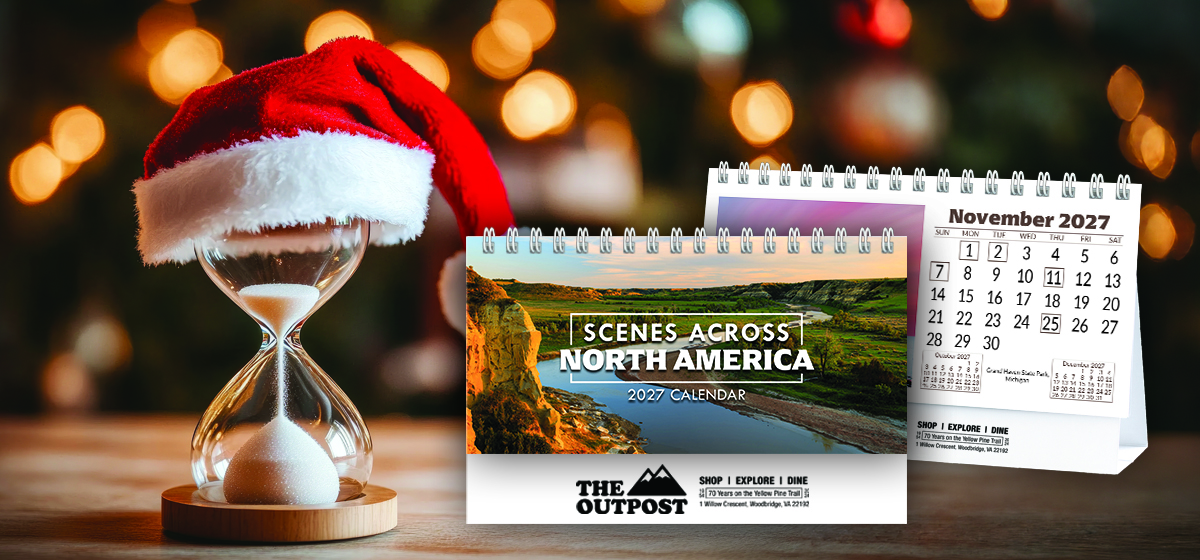
Start the conversation before the customer feels the deadline
Businesses generally want holiday cards to arrive in late November or early December, but the work begins much earlier.
An analysis of six years of B2B holiday-card orders found that demand started in September, increased through October, peaked around mid-to-late November, and tapered through December. Finance orders peaked in late October, while real estate, healthcare, and industrial/manufacturing orders peaked around mid-November. Legal firms tended to order later, peaking in early December.
Waiting until customers begin actively searching in November leaves less time for thoughtful personalization, list preparation, and internal approvals.
A more effective sales calendar looks like this:
Late Summer/Early Fall: Identify prospects, review previous orders, introduce ideas, and check out designs online.
September: Discuss audience, quantity, budget, design direction, messaging, and mailing requirements.
October: Finalize quantities, collect logos and signatures, approve artwork, and place orders.
November: Follow up with late buyers and focus on options that fit the remaining production window.
December: Redirect customers with tight timelines toward New Year cards, which can arrive after the most crowded portion of the holiday season.
Early conversations do more than protect production time. They give customers space to make the card more meaningful.
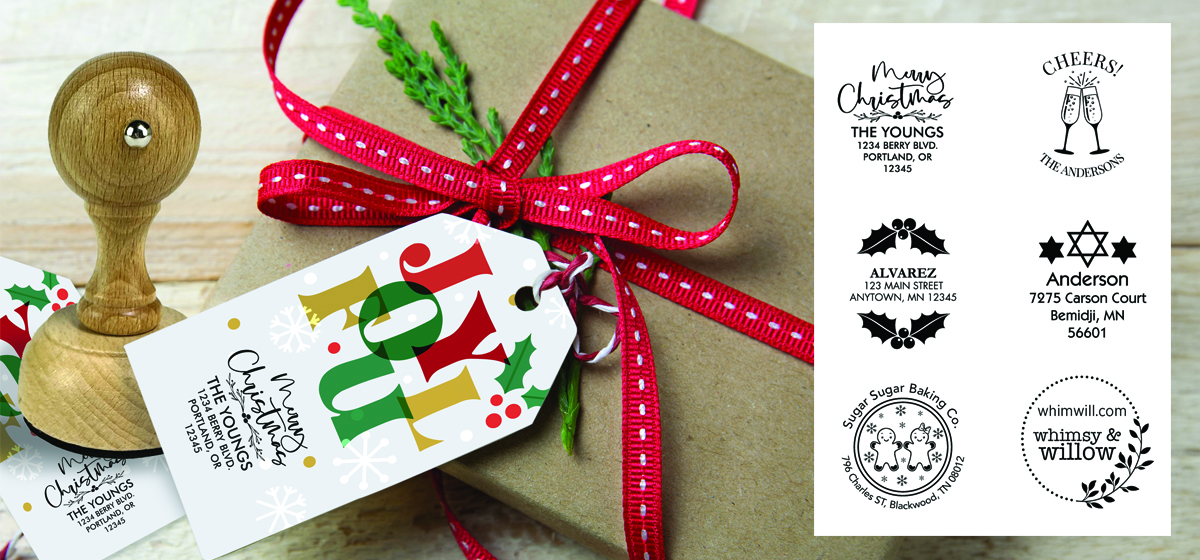
Sell the program – not only the card
One of the biggest barriers to sending holiday cards is not a lack of interest. It’s the perceived amount of work.
Businesses may need to choose a design, find a logo, write a message, gather signatures, clean a mailing list, address envelopes, apply postage, and get everything into the mail during an already busy quarter.
The Greeting Card Association study found that the most common reasons businesses didn’t send cards were time, cost, uncertainty about their value, and concerns about whether cards fit their customers.
You can reduce those barriers by offering a more complete program:
- Design and message guidance
- Company logo and brand-color customization
- Printed employee or leadership signatures
- Multiple versions for different audiences
- Return address labels
- Coordinating envelopes
- Saved artwork and specifications for easier annual reordering
The conversation changes when a customer hears, “We can help you manage more elements,” instead of, “Would you like to order some cards?”

Personal touches create the value
A bulk order doesn’t have to feel mass-produced.
In the 2026 recipient survey, the most memorable attributes of business holiday cards were effort and care, messages of gratitude, and thoughtful or creative design. 63% of respondents considered handwritten messages or signatures very or extremely important. 57% placed the same level of importance on including the recipient’s name.
You can help customers make a more meaningful impression by recommending:
- A sincere thank-you rather than a sales-heavy message
- A design that reflects the organization’s brand and audience
- Designing an entirely custom card, unique to their organization
- Printed signatures from the people customers know
- A team photo or brief year-end update
- Premium paper or a specialty finish for high-value lists
- Inclusive language when recipients have varied backgrounds
- Separate messages for customers, employees, partners, or donors
“Happy Holidays,” “Season’s Greetings,” and neutral winter imagery offer broad appeal. Christmas-specific, faith-based, Hanukkah, Thanksgiving, and New Year options may be appropriate for more clearly defined audiences.
The goal is not to choose one greeting that works for every business. It’s to help each customer choose the right message for its relationships.
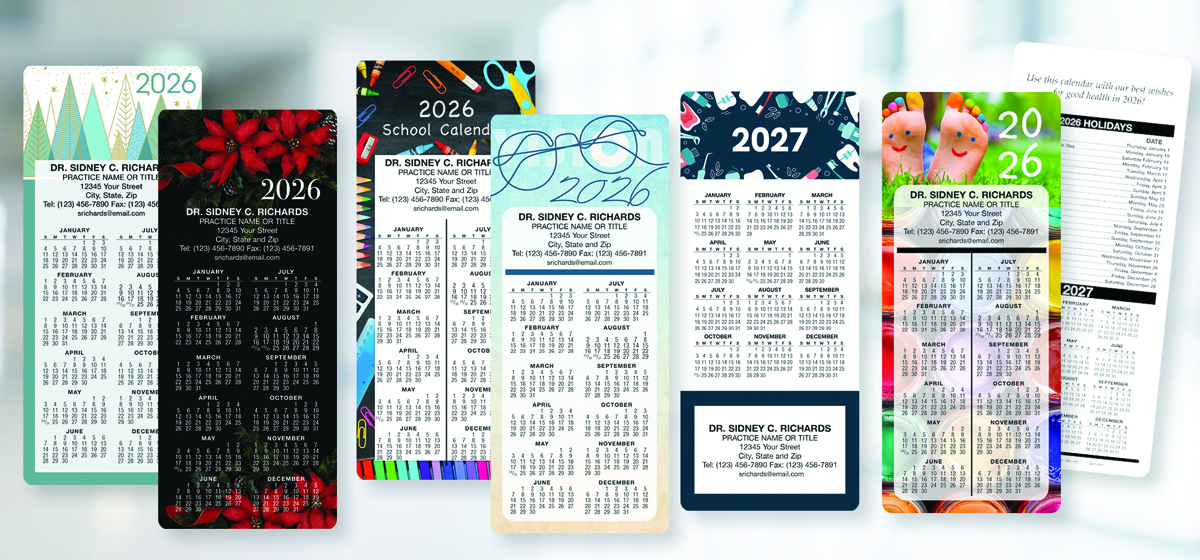
One holiday order can lead to a year-round program
The most valuable conversation may begin with holiday cards but continue well beyond December.
Businesses that depend on relationships have other reasons to connect throughout the year:
- Customer birthdays
- Account anniversaries
- New-customer welcomes
- Referral thank-yous
- Employee recognition
- Membership renewals
- Donor appreciation
- Milestones and congratulations
- Reconnection with inactive customers
For customers who want their holiday message to last beyond the season, Calendar Cards offer another option. They combine a thoughtful greeting with a practical calendar that can remain on the recipient’s desk throughout the year – keeping the sender’s name, logo, and contact information visible long after traditional holiday cards are put away.
A holiday order can help a reseller learn who the customer wants to recognize, which messages fit its brand, and what level of support it needs. Those insights can lead to a more consistent customer-appreciation program – and more dependable print demand.

Find the relationships worth recognizing
Printed holiday cards are not right for every organization. They’re especially valuable for businesses that can name the customers, patients, members, donors, employees, or partners they want to keep connected.
That’s the real prospecting opportunity.
Look across your accounts for organizations with an established customer base and relationships measured in years rather than transactions. Start the conversation before those lists become a December deadline. Then help the customer create something that feels less like a seasonal obligation and more like what it should be: a genuine expression of appreciation.
 About Julie Carlson-Kulla