How to Create Reorder Engines

Frequency vs volume – and why you want both

Repeat revenue doesn’t come from luck. It comes from choosing print categories that naturally come back around – then giving customers a reason (and a simple path) to reorder without starting from scratch every time.

Here’s the useful distinction:

Reorder frequency is how often customers return.
Unit volume is how big the typical order is when they do.

Both matter, because you sell them differently. Frequency keeps your pipeline steady. Volume makes your month.

The four scenarios that drive repeat purchasing

Most repeat orders show up because of one of these patterns:

  • Consumption-based products (they get used up and need replenishing)
  • Fast-changing content (SKUs change, seasons change, compliance changes)
  • Operational dependency (the workflow relies on it)
  • Programmatic marketing (recurring campaigns, multi-location needs)

If you can connect a product to one of those, you can build a reorder engine around it – meaning the next order feels less like “starting over” and more like “running the play.”

Reorder frequency ranking (most repeat to least repeat)

Here’s the cheat sheet: which categories come back most often (and why).

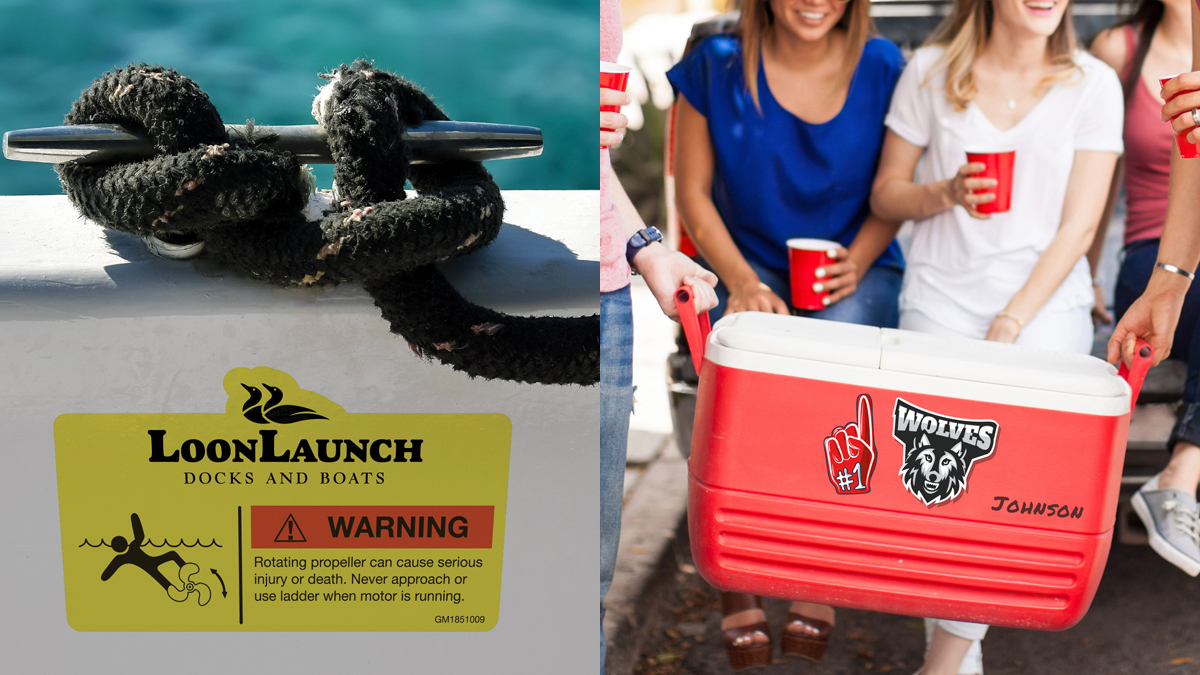
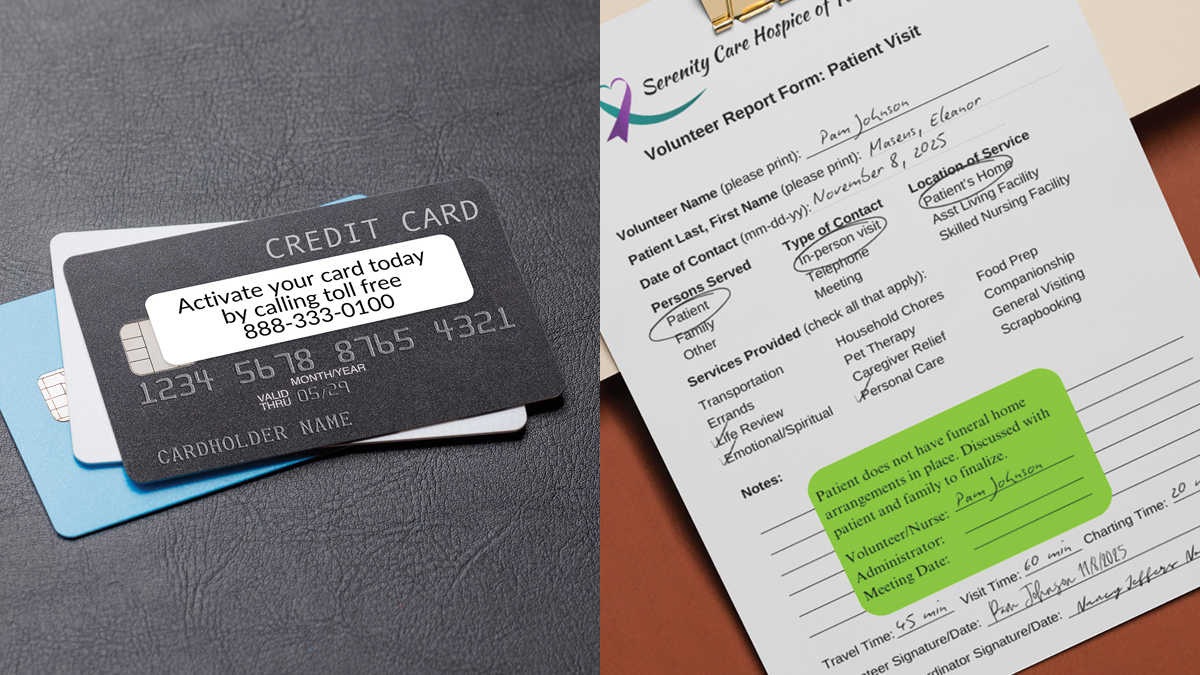
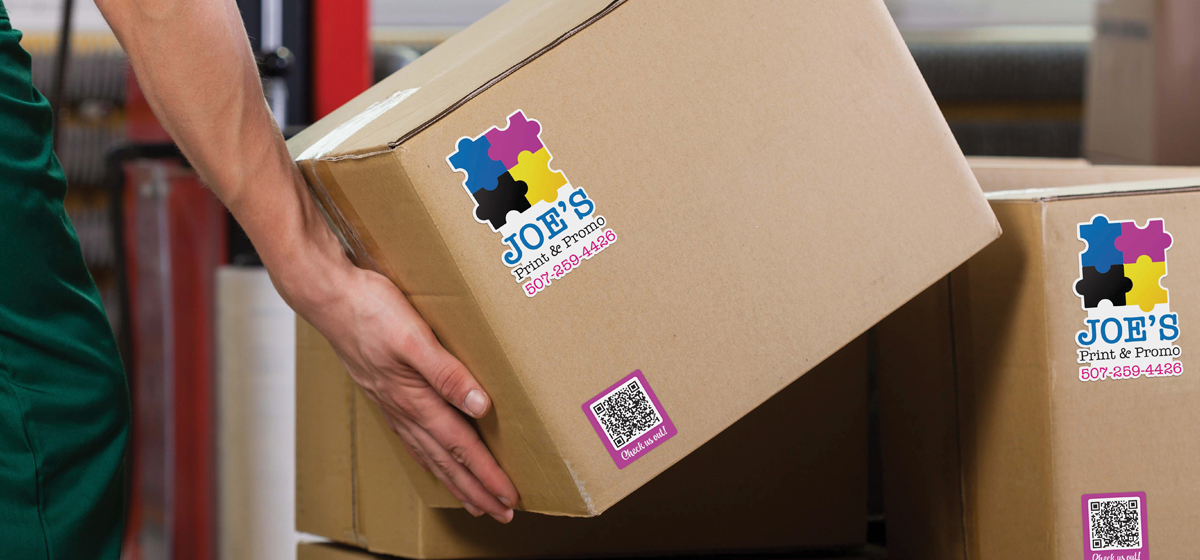
  1. Labels – ongoing consumption + frequent changes (new SKUs, seasonal versions, compliance updates, launches, packaging refreshes)
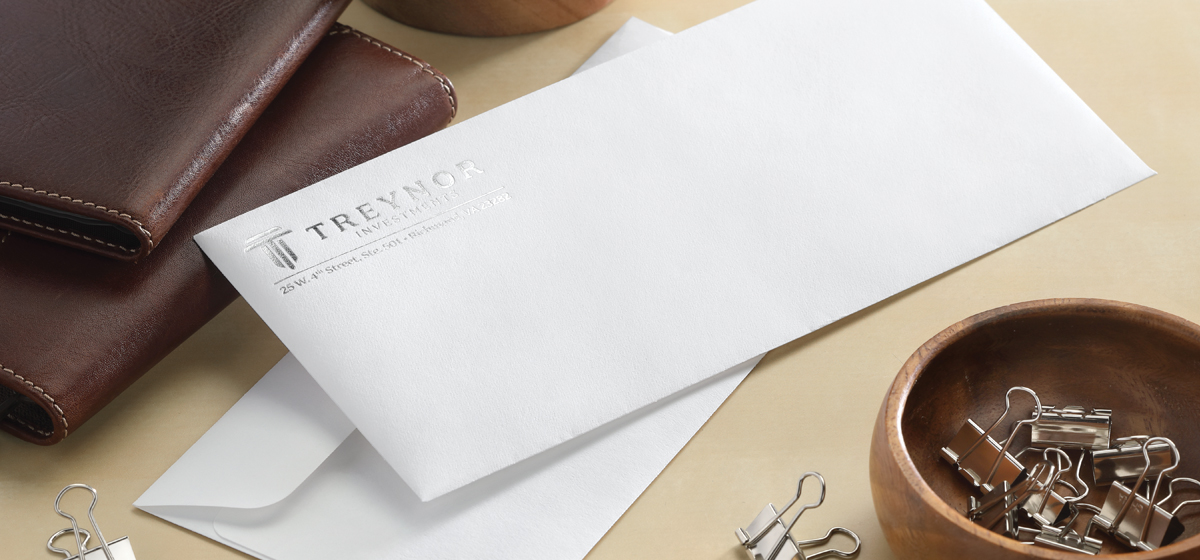
  2. Envelopes – steady replenishment for shipping, billing, notices, fundraising, recurring communications
  3. Checks & Forms – replenishment where still used + periodic security refresh needs and governance controls
  4. Marketing Materials – high repeat when positioned as a program (campaigns, events, monthly direct mail, multi-location refreshes)
  5. Signs & Banners – tends to repeat in cycles and projects (events, seasonal resets, compliance and wayfinding updates)
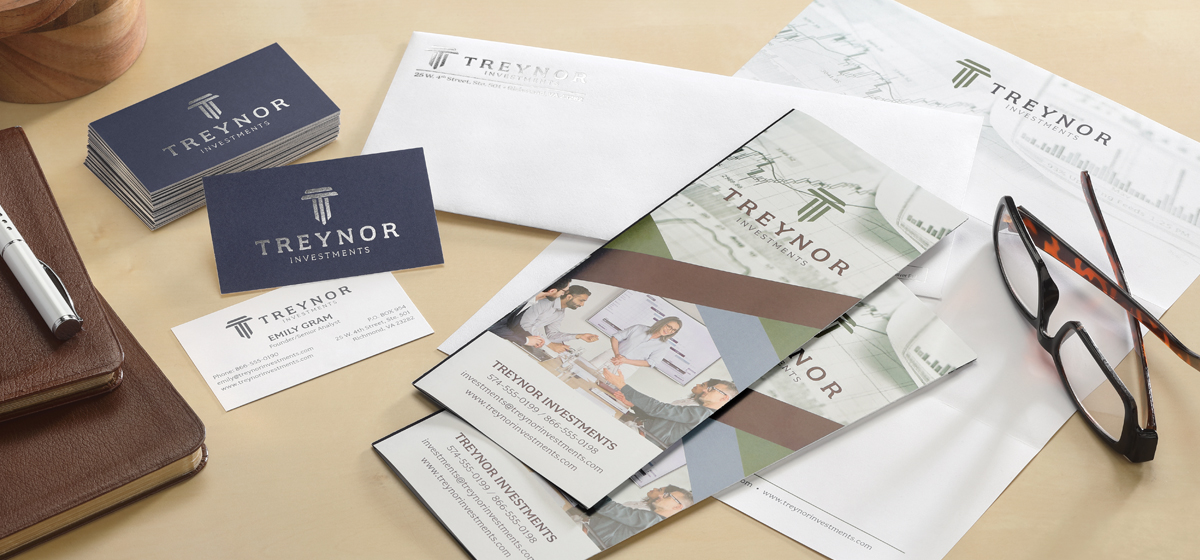
  6. Business Cards – repeat tied to staffing changes and rebrands
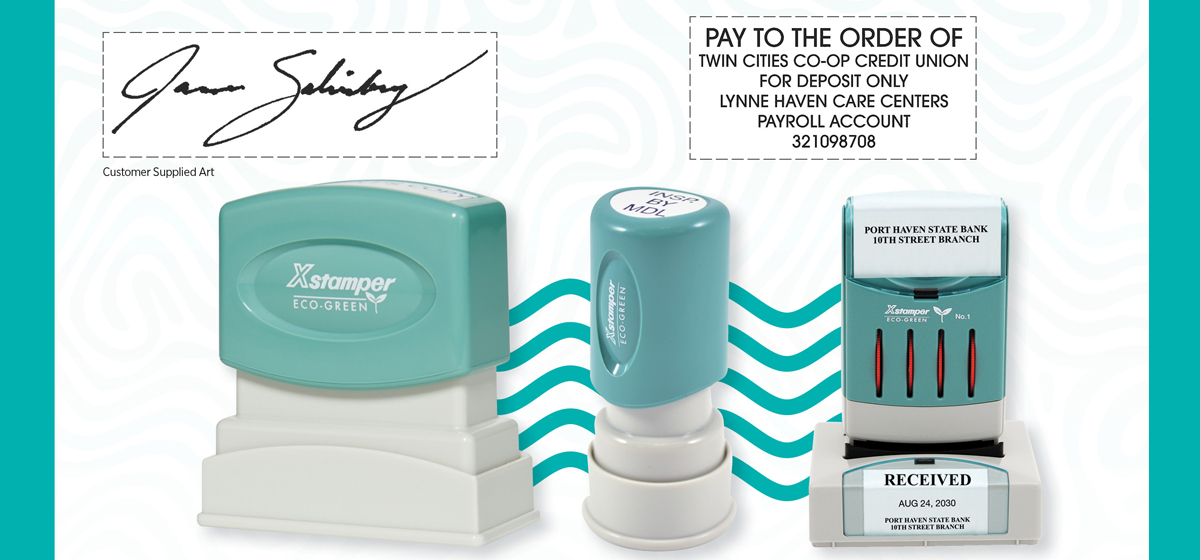
  7. Stamps & Daters – often one-time per role/process, then occasional adds/updates
  8. Folders – event-driven unless standardized into onboarding/sales kit programs

A quick way to use this list: if the product gets consumed, changes often, or props up a daily workflow, you’re not “hoping” for a reorder. You’re building for one.

 Typical unit volume ranking (highest units per order to lowest)

This is where a lot of resellers get tripped up: some categories don’t reorder constantly, but when they do, the ticket is strong.

  • Labels – often ordered in large quantities because they’re consumed continuously and applied per unit, per shipment, or per SKU
  • Envelopes – often ordered in the thousands for mailing programs, shipping operations, recurring communications
  • Checks & Forms – frequently ordered by the box, case, or continuous runs
  • Marketing Materials – wide range; often 500 to tens of thousands depending on campaign and distribution model
  • Business Cards – batches per employee/location; sometimes consolidated across teams
  • Signs & Banners – lower unit counts but higher ticket per piece
  • Folders – hundreds to low thousands unless part of a standardized program
  • Stamps & Daters – low unit counts per order

If you only chase high-frequency categories, you can end up busy but underpaid. If you only chase big-ticket categories, you can end up with gaps. The goal is a mix that keeps orders coming in and margins healthy.

How to build the engine (a simple reseller playbook)

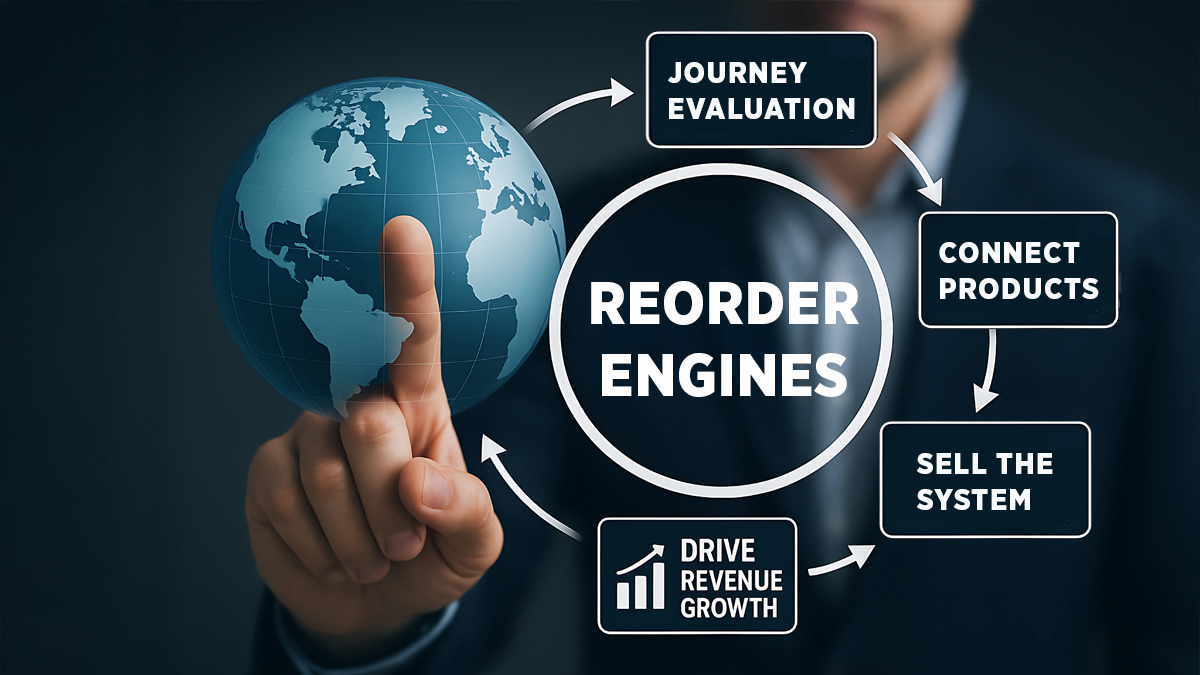
  1. Lead with an operational item (repeat orders)
    Labels, envelopes, forms, stamps and daters are easier to justify because they support daily operations. The “yes” tends to come faster because the customer already needs them to function.
  2. Turn one order into a program
    Instead of selling a one-off job, sell the cadence: a refresh cycle, a quarterly kit, a multi-location standard, or a versioned set. You’re not adding complexity – you’re adding predictability. When possible, align follow-up outreach to the customer’s likely reorder cycle so they can replenish before the order turns urgent.
  3. Sell the system, not the piece
    Margin improves when you specify materials, finishes, security needs, governance, and the reordering process. Customers don’t just buy print – they buy fewer mistakes, fewer back-and-forth emails, and less scrambling the next time.
  4. Stay ahead of the reorder
    If a customer tends to reorder every 30, 60, or 90 days, build that timing into your outreach plan. A quick check-in before they run low helps prevent last-minute “ASAP” orders, keeps the process smoother for both sides, and reinforces your value as a proactive partner.
  5. Make reordering super easy for larger accounts
    Company eStores centralize approved items and simplify reordering, which drives repeat orders and helps protect margin. When reordering is simple, customers reorder more – and they’re less tempted to price-shop every single time.

If you want one category to start with: labels and envelopes are the most consistent engines because they’re consumed and replenished.

Want the full breakdown?

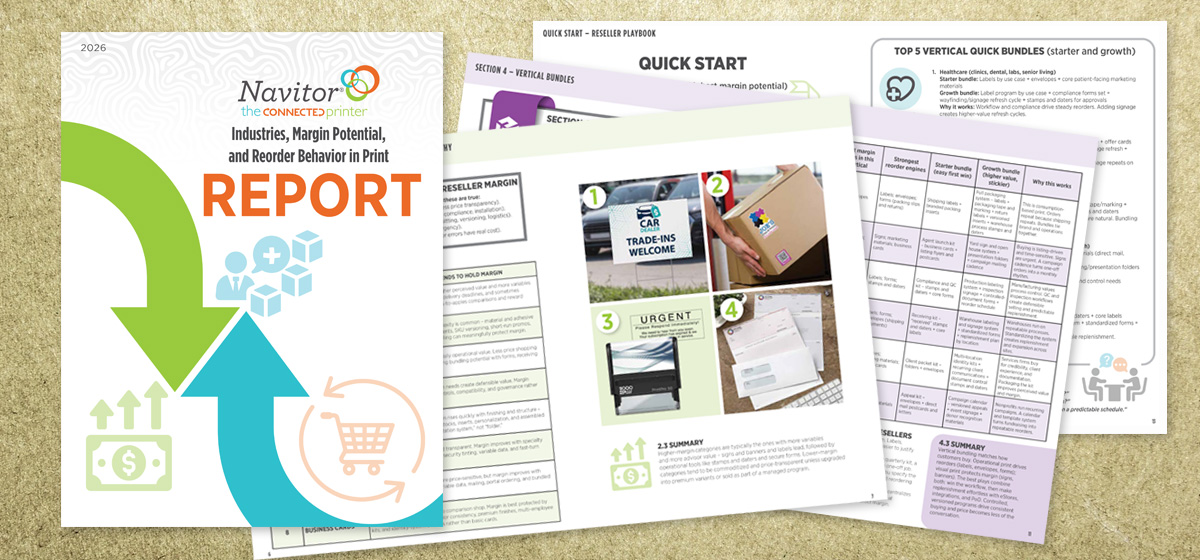
Get the complete Industries, Margin Potential, and Reorder Behavior in Print report for the full industry-by-product map, margin rankings, reorder insights, and vertical bundle playbooks – designed to help you prioritize what to sell first, what to do next, and what has the most potential to turn into repeatable programs.


Who Buys What in Print – A Practical Industry Map for Resellers

The fastest way to sell print is to stop guessing who buys what

Are you selling print as a single solution set across multiple industries? You might be making your life harder than it needs to be. Different industries buy different categories for different reasons – and when you match the product to the industry’s buying trigger, the conversation gets simpler and the close rate goes up.

Below is a reference map of who buys the core categories most often, what typically prompts the purchase, and the best way to position it in the sale.

Business Cards – bought by relationship-driven industries

Primary buying industries
Real estate; financial services; creative services

Other common buyers
Professional services (legal, consulting, insurance); healthcare practices; home services; hospitality; construction trades

Typical triggers
New hires and role changes; team growth; brand refresh; events and networking; multi-location standardization

How to sell them
Lead with staffing churn and team growth. Then attach an “identity kit” mindset (new hire packs, multi-location consistency, role-based versions).

Envelopes – bought by operations-heavy industries

Primary buying industries
E-commerce and retail; logistics and shipping; healthcare

Other common buyers
Banking and financial services; insurance; education; government and public sector; legal services; utilities and telecom; nonprofits

Typical triggers
Shipping and returns; statements and notices; donor mail; compliance mailings; the need for custom windows, security tinting, and variable data addressing.

How to sell them
Ask one operational question: “What do you send every week?” If they answer anything recurring (bills, notices, returns), you’re in reorder territory.

Marketing Materials (brochures, postcards, flyers, door hangers, etc.) – bought by industries that market programs

Primary buying industries
Banking and financial services; education; government; healthcare; retail and e-commerce

Other common buyers
Hospitality; real estate; nonprofits; events; B2B manufacturing and distributors

Typical triggers
Campaigns and promotions; recruitment and enrollment; awareness and fundraising; service line marketing; store and location marketing; trade shows

How to sell them
Don’t sell “a brochure.” Sell a campaign cadence (monthly, quarterly, seasonal) with versioning by location, audience, or offer.

Folders – bought when they need to look organized fast

Primary buying industries
Real estate; education; finance; healthcare; corporate organizations

Other common buyers
Legal firms; insurance agencies; local government offices; nonprofits/associations; manufacturers; hospitality/event venues; construction; auto dealerships

Typical triggers
Proposals and sales presentations; enrollment/admissions packets; patient intake and financial packets; conference handouts; leave-behind kits; training/events; onboarding and new employee kits

How to sell them
Position as a “packet system” (folder + inserts + versioning), not a standalone product.

Labels – bought by industries with inventory, compliance, and packaging realities

Primary buying industries
Food and beverage; retail; pharmaceuticals

Other common buyers
Logistics and warehousing; consumer packaged goods; industrial and chemical; health and beauty

Typical triggers
Packaging and branding; compliance labeling; ingredients and warnings; SKU expansion and versioning; short-run campaigns; inventory and warehouse identification; anti-counterfeit and track-and-trace

How to sell them
Win one label use case (shipping, product, compliance, warehouse), then expand into a labeled “system” across SKUs and locations.

Signs & Banners – bought by industries that change environments

Primary buying industries
Retail; real estate; transportation

Other common buyers
Hospitality; entertainment; healthcare; banking and financial services; education; government and public sector; construction and trades; manufacturing

Typical triggers
Promotions and seasonal campaigns; events and pop-ups; grand openings; regulatory and wayfinding signage; brand refreshes; site and job signage

How to sell them
Ask what changes by season, event, location, or regulation. That’s where signage refresh cycles come from.

Stamps & Daters – bought by process-driven industries

Primary buying industries
Healthcare and medical device; manufacturing and industrial; legal services and notary

Other common buyers
Warehousing and logistics; government and public sector; financial services; food and beverage; construction and building services; education; retail

Typical triggers
Receiving and processing workflows; approvals and document control; QA and compliance; date tracking; standardization across departments

How to sell them
Tie to workflow control: fewer errors, faster processing, cleaner compliance.

Checks & Forms – bought where controls and documentation matter

Primary buying industries
Banking and financial services; government operations; healthcare; logistics

Other common buyers
Employers running payroll; title and mortgage/closing; any organization issuing payments and requiring controls

Typical triggers
Payment issuance; payroll; secure forms and internal controls; multi-location ordering; compliance documentation; process consistency

How to sell them
Lead with governance and compatibility, not “printing.” (More on that in our next blog in the series “Why Some Print Categories Hold Margin and How to Sell Them That Way”.)

The shortcut: focus on the biggest demand clusters
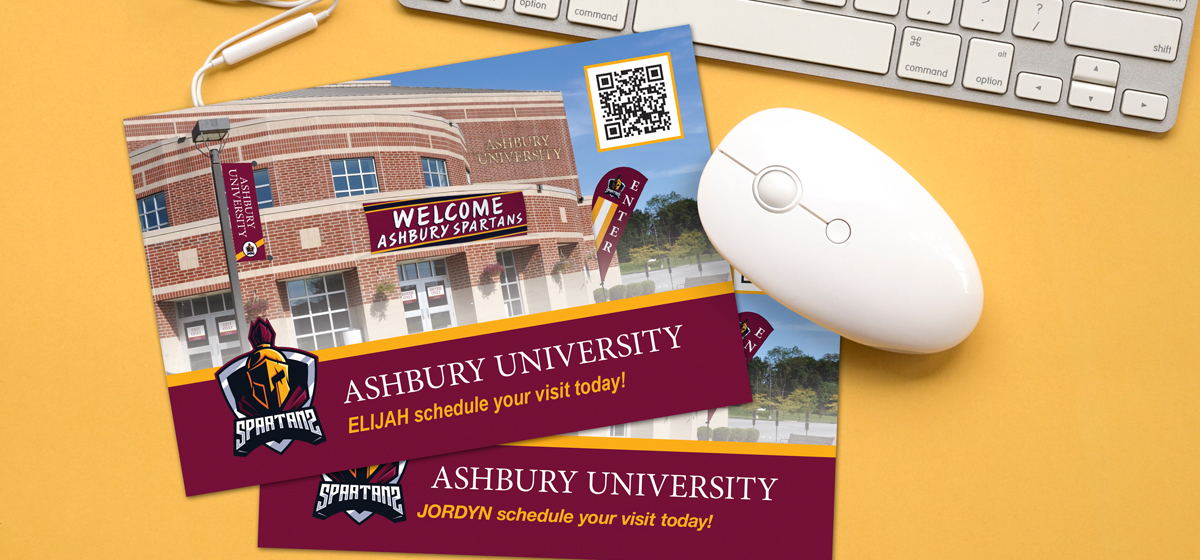

Most print demand comes from a handful of industries: healthcare, financial services, government, education, retail, real estate, logistics, and e-commerce. A straight-forward rule: these industries buy print primarily for two reasons – marketing impact and operations. When you hear “operations,” think labels, envelopes, forms, stamps. When you hear “impact,” think signage and campaign materials.

If you want the simplest way to apply this industry map, use a two-step plan: land a “first win” that’s easy to justify, then attach the most natural add-on while the buyer is already in motion. The goal is not to sell more stuff. It’s to sell a cleaner system that makes their day easier. Here are examples:

Healthcare

Best first win category: Labels
Why: Labels plug directly into daily workflow – patient and specimen identification, medication labeling, and safety/compliance needs. They’re operational, not optional, and they reorder because they’re consumed and updated.

Easiest add-on: Signs and banners
Why: Once labels are in place, healthcare facilities still need clear wayfinding, safety, and service line signage that changes with departments, events, and compliance requirements. It’s a natural “same building, different need” add-on with strong margin potential.

Financial Services

Best first win category: Envelopes
Why: Financial organizations mail constantly – statements, notices, and member/customer communications. Envelopes are straightforward to spec, easy to reorder, and often tied to recurring cycles.

Easiest add-on: Checks and forms
Why: The minute you’re talking about mail and documents, the conversation naturally extends to secure documents, governance, and control. Checks and forms add defensible value through security features and standardization.

Retail

Best first win category: Signs and banners
Why: Retail lives on change – promotions, seasons, events, and location updates. Signage is visible, time-sensitive, and often needs quick turns, which makes it easier to win early and typically stronger for margin.

Easiest add-on: Labels
Why: Once you’re supporting campaigns with signage, labels are the natural operational companion – product labeling, pricing/markdown, packaging, and SKU changes. They’re also one of the most reliable reorder engines.

Want the full breakdown?

Get the complete Industries, Margin Potential, and Reorder Behavior in Print report for the full industry-by-product map, margin rankings, reorder insights, and vertical bundle playbooks – designed to help you prioritize what to sell first, what to do next, and what has the most potential to turn into repeatable programs.


The Future of Print + Data: How Physical Pieces Are Becoming Smarter, Trackable, and More Strategic

Today’s buyers want print that adapts, responds, and integrates with their digital strategy. When print becomes adaptive, trackable, and tailored, it becomes easier to justify – and easier to sell.

Here’s the deeper story behind that shift – and why it matters for you.


Print isn’t just physical anymore. It’s intelligent.

For years, marketers have been chasing ways to bridge physical and digital experiences. The challenge: inbox fatigue, fragmented audiences, and rising customer expectations.

The opportunity: print that doesn’t sit still.

In 2026, print is stepping fully into its role as a strategic channel – one that delivers impact, precision, and measurable results. What used to require guesswork is now supported by real data and smarter technology.

For you, that means this is the moment to reposition print not as a commodity, but as a tool for performance-driven marketing.

Personalization is scaling faster than expectations

Personalization isn’t new, but what’s happening now is. With AI-assisted design and easier versioning tools, brands can create hundreds of variations without slowing production.

For your customers, this means:

  • More relevant campaigns
  • Stronger response rates
  • Lower waste through targeted messaging
  • A better experience for the end-user

For you, it means higher-value orders and repeatable opportunities across envelopes, labels, stationery, marketing pieces, packaging inserts, and more.

Navitor’s low-minimum capabilities – sometimes as low as one – make personalization accessible at any scale.

High-end finishes are no longer “special occasion” print

Customers want print that feels intentional. Texture, shine, dimension – these elements communicate quality before a single word is read.

The shift in 2026: premium finishes are easier to produce and more budget-friendly for small and mid-sized businesses. Soft-touch coatings, raised elements, foil accents, and textured labels are landing in everyday applications, not just luxury ones.

That opens the door for you to upsell with confidence across business cards, labels, letterhead, postcards, announcements, and membership materials.

RFID, NFC, and tech-lite interactivity are becoming mainstream

Marketers want to understand how their print performs – not guess. Trackable elements are unlocking that visibility:

  • RFID for authenticity and inventory clarity
  • NFC taps for instant digital journeys
  • Serialized QR codes for segmented responses
  • Location-aware landing pages for regional campaigns

This is data that supports better marketing decisions. And every scannable or trackable element gives you something powerful to sell: proof of performance.

Adaptive print is redefining what a printed piece can do

Temperature-sensitive inks, light-reactive coatings, modular components – this is where “static” print steps aside. Adaptive print creates moments of surprise and engagement, which marketers crave.

These formats also support sustainability and budget control. Instead of reprinting an entire piece, customers can update a single element or section. Less waste. More flexibility. And a fresh way for you to position print as innovative and responsible.

Real-time data from physical pieces is reshaping ROI conversations

Here’s the real breakthrough:

Print can now “report back.”

Triggered scans, NFC interactions, and sequential QR logic help marketers see:

  • Which messages are working
  • Who is engaging
  • How geography affects response
  • When follow-up communication should happen

This moves print into the realm of measurable strategy – which is exactly where today’s marketing budgets live.

For you, this means performance-based selling becomes easier. It also means you can showcase print as a partner to digital, not competition.

What this means for your business

Smarter print is opening new doors:

  • Bigger order values through personalization and finishing
  • More recurring revenue through targeted and versioned campaigns
  • Stronger pitches built on data and measurable value
  • Increased demand for U.S.A.-made, sustainably sourced materials
  • Greater differentiation when competing against digital-only vendors

Navitor supports these opportunities with:

  • Nationwide production and fast-turn capabilities
  • Low-minimum orders across dozens of product categories
  • FSC-certified stocks and U.S.A.-made options
  • Variable data, finishing, packaging, and label solutions that scale

These aren’t abstract trends. They’re tools to help you grow – this year and long after.

The takeaway

Print is not returning to the spotlight. It never left – it just evolved.

Your customers are ready for solutions that respond, adapt, and deliver measurable outcomes. By bringing smarter print into the conversation, you position yourself as the partner who can help them navigate 2026 with clarity and confidence.

And when they win, you win. More engagement. More orders. More loyalty. More growth.


Stick With What Sells: Creative Label Ideas for Any Business

FasTurn® label on takeout box.

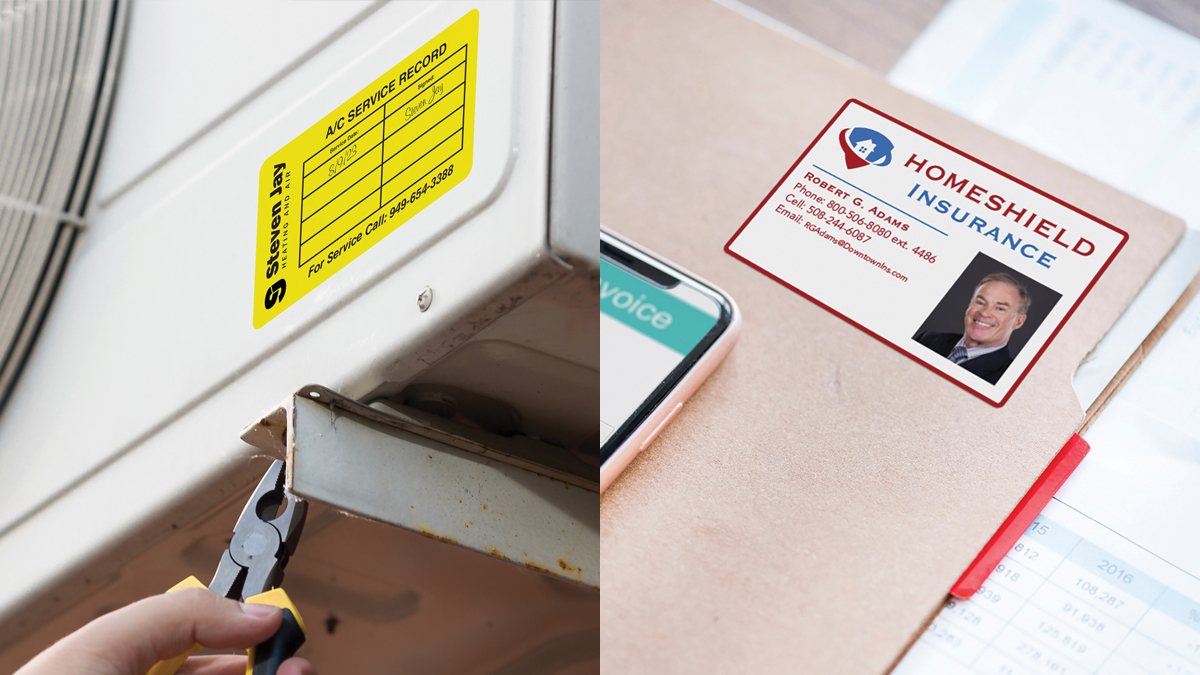
Labels are one of the most versatile print products in your reseller toolkit. They stick (literally) with customers, travel far beyond the point of sale, and create lasting impressions. The best part? They can be simple to sell once you show your clients just how many ways labels can work for them.

Here are fresh ideas you can share with your customers to inspire their next label project:

Spark Ideas for Everyday Branding

  • Products and packaging – From jars to boxes to bags, custom labels instantly turn everyday containers into branded merchandise.
  • Events and promotions – Short-run labels are perfect for highlighting seasonal specials, grand openings, or anniversaries.
  • Giveaways that travel – Bumper stickers, decals, and sticker sheets make easy swag for parades, community events, or tradeshows.

Show Off with Creative Applications

  • Hydrate and advertise – Hand out branded water bottles with custom labels at events, keeping the company’s name in every hand.
  • Multi-location marketing – Variable content printing allows one order to highlight different storefronts, regional contact info, or localized promotions.
  • Smart labels – Add QR codes or barcodes that link to special offers, websites, or campaign landing pages to track response.\

Pro Tips for Resellers

  • Pitch the low lift – Labels are cost-effective, quick to produce, and easy to update, making them an easy “yes” for busy buyers.
  • Upsell seasonal spins – Encourage clients to refresh labels for holidays, seasonal promotions, or limited editions.
  • Bundle with print campaigns – Labels pair perfectly with packaging, direct mail, or event signage for a cohesive brand presence.

Your Label Resource

Label Works makes it easy to deliver creative solutions fast, with most orders shipping within a few business days. Need ideas to share with customers? Explore our selling resources for catalogs, sales tools, and more inspiration.

And remember, if you ever need support on pricing, artwork setup, or creative possibilities, our team is here to help at 800.522.3558 or customercarelw@labelworks.com.

Special Dealer Perk

As a Label Works dealer, you are eligible for 20% advertising and promotional labels for your business! Reaching a broader client base just became easier and more affordable! As long as the label sports YOUR company name, you’ll receive a 20% discount*. Be sure to use Code: CPN-20SFP with catalog orders only.

*Label must include dealer’s company name. Valid on label orders only. The discount does not apply to shipping. Code valid until 12/31/2025.

The Connected Printer Advantage: How Technology is Changing Print Sales

Why Technology Matters in Print Today

The world of print has changed. Customers no longer want to wait days for quotes, sort through confusing order forms, or wonder if their logo will come out the right shade of blue. They want speed, accuracy, and flexibility – and resellers want solutions that make their lives easier, not harder.

That’s where The Connected Printer comes in. Technology isn’t replacing resellers. It’s giving them the tools to build stronger businesses, boost margins, and provide experiences that retain their most valuable clients.

The New Print Buying Experience

Gone are the days of back-and-forth emails and endless follow-up calls. With technology-driven ordering platforms, you and your customers can get instant quotes, upload files, view proofs, and place orders 24/7.

For resellers, that means less time managing paperwork and more time building relationships. Navitor’s connected systems make it possible to simplify the process.

Personalization & Customization at Scale

Personalization isn’t a luxury anymore – it’s an expectation. From variable data printing to fully custom designs, customers want materials unique to them and their brand.

Digital printing technology allows you to offer one-to-one marketing solutions, short runs, and fast-turn customized products without heavy overhead. With Navitor’s advanced digital printing capabilities and established connections to the industry’s leading eCommerce providers, resellers can say “yes” to projects that once felt out of reach.

Branding Power Through Print

Brand consistency builds trust. Technology ensures that every repeat order matches the last one, that colors stay accurate, and that brand guidelines are respected.

As a G7® Master Printer, Navitor gives resellers a powerful edge. They can confidently promise their clients that every printed piece – whether it’s a business card, a banner, or packaging – will look exactly right.

Printing On Demand = More Profits

On-demand printing means customers don’t need to tie up cash in bulk orders or sit on unused inventory. They print what they need, when they need it.

For resellers, this model creates more repeat business and stronger profit margins. With Navitor’s nationwide production network, proven record of integrations with leading platforms, quick-turn custom print, and fast production times, resellers can give their customers both speed and flexibility.

Access to More Products Without the Hassle

Technology unlocks variety. You can expand your product offering without adding equipment, warehouse space, or staff.

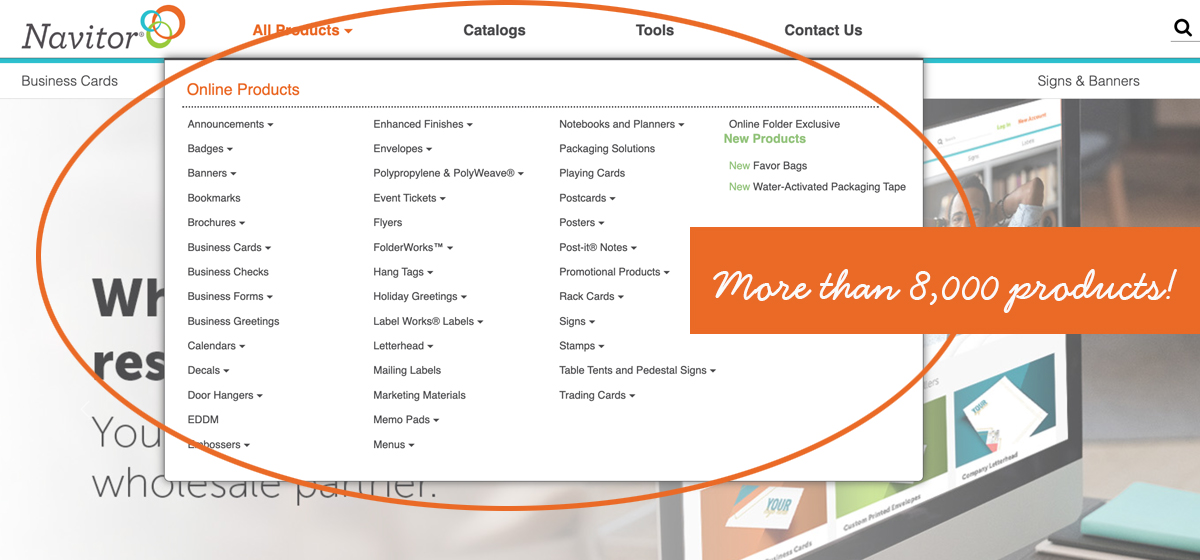
With Navitor, you get direct access to more than 8,000 products – from custom folders and labels to signage, packaging, and promotional products. It’s a way to instantly widen your catalog and say “yes” to more customer requests – all through one trusted partner.

How Technology Grows Your Business

Technology isn’t just about speed – it’s about growth. And Navitor’s Connected Printer advantage is designed to help you:

  • Upsell and cross-sell with less effort
  • Increase margins through high-value offerings
  • Retain customers by making the process simple
  • Free up time to focus on relationships, not admin work

Meet up with Navitor at PRINTING United Expo 2025

Want to see The Connected Printer advantage in action? Visit Navitor at PRINTING United Expo, October 22–24 in Orlando, FL.

  • Booth #5124 will feature Navitor’s technology-driven solutions.
  • Our team will be on-site, ready to talk about how these tools can help you grow your business.
  • Stop by for the swag – pick from eight clever, gift-shop worthy coaster designs (the kind you’ll actually want to keep or give as a gift) or grab an Epoly® TSA-compliant travel bag.
  • For those looking for inspiration and selling tools, we’ll also have Print Highlights kits and swatch books available.
  • Best part? You can register for a FREE Expo Pass with Navitor’s promo code.

Claim your free pass here.

Make the Most out of The Connected Printer Advantage

Technology is reshaping print sales – and resellers who embrace it are building stronger, more profitable businesses. With Navitor, you don’t have to figure it out alone. You have a partner who connects you to the tools, products, and support you need to succeed.

Ready to see what’s possible? Claim your free pass, stop by booth #5124 at PRINTING United Expo, and discover how The Connected Printer advantage can fuel your next stage of growth.


Capture the Cannabis Market

Print Solutions That Turn Heads and Open Wallets

A storefront is a powerful marketing tool. It’s also the very first exposure potential customers have to a brand. Creating an inviting storefront will catch the attention of all who pass by, invite new customers into the dispensary and establish the brand.

Ten Products That Turn Browsers Into Buyers

  1. Flexible Pouches: Versatile, resealable pouches keep products fresh and look great on display.
  2. Packaging: Eye-catching, compliant packaging reflects brand identity and protects products.
  3. Product Labels: Clear, informative labels showcase strain information, potency, and the customer’s unique branding.
  4. Exterior Signage: Sail signs and banners grab people’s attention as they pass and invite them into the business.
  5. Window & Floor Decals: Eye-catching, removable graphics guide customers and advertise promotions.
  6. Shopping Bag Branded Stickers: Custom stickers turn every purchase into a walking advertisement.
  7. Business Vehicle Signage: Turn company vehicles into mobile billboards with magnetic signs and bumper stickers.
  8. Business Cards: Memorable business cards encourage repeat visits.
  9. Folders: Branded folders hold customer information packets or loyalty program materials.
  10. Flyers & Brochures: Informative, visually appealing handouts educate customers and promote specials.

Investing in high-quality custom print materials is a smart way for a business to differentiate itself in a competitive market. These items enhance the brand’s visibility and create a professional, welcoming atmosphere that turns curious passersby into loyal customers. Start implementing these custom print solutions today and watch your client’s foot traffic – and sales – grow.


Add your contact information to a NEW INDUSTRIAL FLYER created just for the cannabis industry, and share all the ways custom labels and signage can help your clients promote their dispensary.

No More Excuses – You CAN Sell Print!

We recently hosted an empowering webinar titled “No More Excuses – You Can Sell Custom Print!” This session was designed to tackle the common hesitations and barriers faced by individuals and businesses in the custom print industry. Whether you’re an established entrepreneur or just starting your journey, this webinar offered valuable insights and strategies to help you overcome obstacles and unlock the full potential of selling customized printed goods.

Key Takeaways

  1. Understanding the Market: We explored the growing demand for personalized products in today’s market and how to identify lucrative opportunities within this space.
  2. Leveraging Technology: Attendees learned about the latest tools and technologies that can streamline the custom print process, from design to delivery.
  3. Creative Solutions: We discussed innovative approaches to design and production that can set your business apart from the competition.
  4. Real-World Examples: Through role-play scenarios, we demonstrated practical applications of the strategies discussed, providing a clear roadmap for success.
  5. Actionable Tips: The webinar was packed with actionable tips to help participants build confidence and competence in the custom print industry.

Watch the Role Play Video

To get a better understanding of the strategies in action, check out our stationery role play video. This segment showcases real-life scenarios and solutions, offering a practical perspective on overcoming common challenges in selling custom print.

Watch the Role Play Video

View the Webinar Deck

For a comprehensive look at the content covered in the custom print webinar, you can view the webinar deck. It includes detailed slides on all the topics discussed, along with additional resources to further your knowledge and skills.

View the Webinar Deck

Thank you to everyone who attended the webinar! We’re excited to see how you apply these insights and strategies to grow your custom print business. If you missed the live session, make sure to watch the video and review the deck. No more excuses – it’s time to embrace the opportunities in the custom print industry and thrive!

The Impact of Shipping Price for Print Resellers

A stock image of boxes stacked around a shopping cart and small semi-truck,For print resellers, shipping costs represent a significant portion of operational expenses. While the percentage can vary based on factors such as volume, distance, and shipping methods, industry insights suggest that shipping can consume a notable part of revenue. On average, shipping costs can account for anywhere between 10-20% of a print reseller’s total revenue. This substantial figure can greatly reduce profit margins, especially in a sector where products are often commoditized and competition is fierce.

Customer Perception and Shipping Costs

The psychology of shipping costs in consumer behavior is profound. Studies have consistently shown that customers prefer options where these costs are minimized or absorbed by the seller.

Customers are willing to pay a higher price for a product if it comes with the perk of free or reduced shipping.

In fact, free shipping has been shown to be a more attractive incentive than a product discount.

This willingness to pay more upfront for reduced shipping costs is a critical insight for print resellers. By strategically adjusting product pricing to account for shipping, businesses can increase their appeal in a crowded market. This strategy, however, needs to be balanced carefully to ensure that the overall cost remains competitive.

There are several strategies that Navitor employs to reduce shipping costs, including:

  • Negotiating with shipping providers building strong relationships with carriers has led to better rates.
  • Optimizing packaging – using the right size and materials for packaging reduces weight and, consequently, shipping costs.
  • Consolidating shipments – carriers often lower rates for larger shipments, plus fewer shipments means lower carbon emissions.
  • Streamlined logistics and administration – simplifying processes and streamlining communications has reduced administrative overhead.

The Takeaway

Managing shipping costs is a complex task, and it presents an opportunity for you to differentiate yourself in a competitive market.

A stack of three boxes on a wooden table.
Remember, in the world of e-commerce and wholesale print selling, the way you handle shipping can be as important as the products you’re selling.

At Navitor, we’ve worked hard to leverage strong relationships with shipping carriers – so watch for reduced shipping charges in your cart.

The Power of Print in Higher Education Marketing

The higher education market has become increasingly competitive as schools vie for a shrinking pool of prospective students. Print plays a big role in today’s higher education marketing campaigns because it works. It remains the foundation upon which multi-generational marketing is built.

The audience is larger than you think

Prospective and enrolled students aren’t the only audience that higher ed institutions must reach. Community members, businesses, parents, alumni, donors, faculty and staff comprise a school’s broader support network. Colleges and universities have a unique challenge when it comes to developing a brand that appeals to a wide-ranging network of audiences and generations: to reach many and to resonate deeply. Whether it is promoting online education programs, increasing application and enrollment rates, engaging non-traditional learners, informing accepted students, promoting campus events, motivating current students, or engaging with alumni, strategic and integrated solutions are the right answer.

Cross-channel marketing

Not only is print a tactile and personal experience, but its message to a specific audience also can be amplified through digital media. And in higher education marketing, it’s more powerful than ever. Colleges and universities have been harnessing this power of print in reaching new students, their parents and other audiences for as long as they’ve been around. Utilizing tactics like personalized direct mail, marketing materials, fundraising campaigns and signage, higher ed institutions are well-versed at connecting and engaging with their extensive network. And with “digital fatigue” becoming a major concern, audiences appreciate the lasting tactile experience that a quality print piece delivers.

Anyone doing it on their own?

While some colleges and universities have on-site print shops, they’re often not the best fit for large-scale print campaigns. The vast array of print products used in higher education marketing makes it difficult for in-house shops to handle both the volume and the varied/complex processes required. Some of the more complex or long-run products that need an experienced partner often include:

  • Variable Data Postcards
  • Envelopes
  • Folders
  • Booklets
  • Calendars
  • Badges
  • Architectural Signage
  • Window, Wall and Floor Decals
  • Large Format Signage
  • Awards and Gifts
  • Promotional Products
  • Labels and Packaging

Having a trusted resource that helps plan, execute and deliver multiple elements within the marketing program saves the day. From prepress through digital and offset printing, finishing, kitting and shipping, a trusted partner helps take the complexity out of the print experience and delivers quality results.

The bottom line

Higher education marketing influences audiences at every level, from attracting prospective students to enhancing the enrolled student’s experience while on campus and encouraging alumni engagement. It can also be instrumental in drawing top-tier staff and donors. Print marketing is vital in order to make the greatest impact. Education institutions need marketing support from vendor partners that not only offer expansive print marketing capabilities but also provide personalized service, integrated solutions, and quick turns, all competitively priced.

To learn more about how Navitor can help you, we’ve compiled support materials like our Education Sale SheetProduct Images, and Education Social Toolkit content that you can use to go to market today. Check out all the material on Education and more on our Content Calendar page here.

4 Major Benefits of Ordering Online

There was a time when getting wholesale printing services meant going to a brick-and-mortar facility, speaking with a staff member, and placing a manual order for whatever you needed. Seems like ancient history, doesn’t it? It’s no question that the digital age has changed the world completely, especially when it comes to our reliance on e-commerce for obtaining goods and services. Additionally, in today’s fast-paced business world, time is a valuable commodity. Ordering print products such as custom folders, custom business cards, envelopes, and brochures is a necessary task, but it can be time-consuming. Fortunately, distributors have a convenient and cost-effective option to order print products online at Navitor.com. In case you haven’t noticed yet, we aim to make your life easier, and your business more profitable. Here are some of the benefits of ordering wholesale printing online versus calling in or emailing your orders.

Speed and Efficiency

One of the primary benefits of ordering print products online is the speed and efficiency with which you can complete the transaction. With just a few clicks, you can quickly and easily order the products you need. This process can be completed from anywhere, at any time, which is especially suitable for those who work remotely or have a busy schedule. Additionally, you can complete the entire process of looking through the options, picking what you want, paying for the order and selecting your delivery options – all online.

Convenience

Ordering print products online is much more convenient than traditional ordering methods. When ordering by phone or email, you may have to wait for someone to answer the phone or respond to an email. This can take up valuable time that could be better spent on other important tasks. With online ordering, there is no waiting or delays in the ordering process. You can simply log in to Navitor.com and place your order whenever it is convenient for you.

Customization

Customization doesn’t have to be complex. Simplify your ordering and get the print materials you’re looking for with complete customization – while maintaining uniformity and consistency. Get the best options to suit your needs when you couple high-quality product options with a series of design tools to accompany any skill level, and you’ll quickly discover just how easy it is to customize the materials to perfectly fit the brand and message.

Cost Savings

Another significant benefit of ordering print products online is the cost savings that can be achieved. Did you know that when you call in or email a product order that can also be ordered online it’s a little more expensive? Yep, typically around $15 more. Yes that fee will ensure your artwork is correct and specs align, BUT we have online ordering through at Navitor.com that saves you time and eliminates the manual fee. Instead of the additional labor cost for manually processing your order, online automation saves an expense, which increases your profits.

And We’re Still There for You

Rest assured, just because you choose to save time and money with our convenient and cost-saving online ordering, that doesn’t mean that you have to say goodbye to our good old fashioned one-on-one personal service. Let’s face it, some printing projects can end up being a bit complicated, and no one wants to run into problems during the production process, but sometimes issues come up and you will find yourself in need of help. Fortunately, we give you both the ease of using online ordering, plus the personal service you deserve.

Top Products Ordered Online

Recently, we’ve made Navitor.com even more user friendly, and a place where you can easily find all the products we supply. Our goal has always been to provide printing excellence at superb prices, and our website has been newly renovated, helping to make pricing print, uploading artwork and ordering even more quick and simple. Our wide selection of print products covers the gamut of wholesale printing needs, and some of the top products ordered online include custom business cards, envelopes, custom folders and brochures. These products are essential for any business, and ordering them online now saves you time, money, and effort.

The Takeaways

Ordering print products online at Navitor.com offers many benefits to our valued distributor members. These benefits include speed and efficiency, convenience, and cost savings. By taking advantage of online ordering, you can streamline your print product ordering process and focus on other important tasks for your business. When you order your print online you don’t have to spend valuable time on the phone or waiting for quotes and news on your job. You can do everything online – from getting instant prices to uploading your artwork and arranging delivery, all from your desktop or even your phone.

For a crash course on all that our online space offers, watch the Ultimate Guide to Navitor.com.

And don’t stop there – watch our webinar from July, Mastering Navitor.com: Tips, Tricks, and Hacksand learn how this platform can help you save time and money while also ensuring fast, reliable delivery for your customers. Whether you’re a small business owner or a marketing professional, Navitor.com is your one-stop shop for personalized products that get results.