How to Turn a Customized Digital Catalog into a Year-Round Sales Tool

A customer may know you for Business Cards but not realize you can also help with Labels, Packaging, Folders, Signs, Event Tickets, or holiday print. That gap represents an opportunity – and a customized digital catalog can help you close it.

Personalized digital catalogs give customers an easy way to explore more of what you offer while keeping your company name, logo, and contact information connected to the experience. But creating the catalog is only the beginning. Its value grows each time you use it to support prospecting, follow-up, account reviews, seasonal outreach, and cross-selling.

Let’s walk through how to turn a customized Navitor catalog into a sales resource you can use throughout the year.
Your customers may know only part of what you sell

Most customers develop a narrow picture of their vendors based on what they’ve already purchased. A customer who orders Business Cards may think of you primarily as a stationery resource. One who buys Labels may not realize you can also help with Packaging Tape, Hang Tags, or other packaging products.

Sending a customer an entire catalog without context may not change that perception.

Instead, connect what the customer already buys to a logical next category.

For example:

Each relevant category you introduce creates another opportunity to expand the account, increase order frequency, and keep more of the customer’s print business connected to you.

A digital catalog gives you a convenient way to show those connections. Rather than simply saying, “We offer more,” you can direct the customer to specific pages that relate to an upcoming project, business need, or conversation.
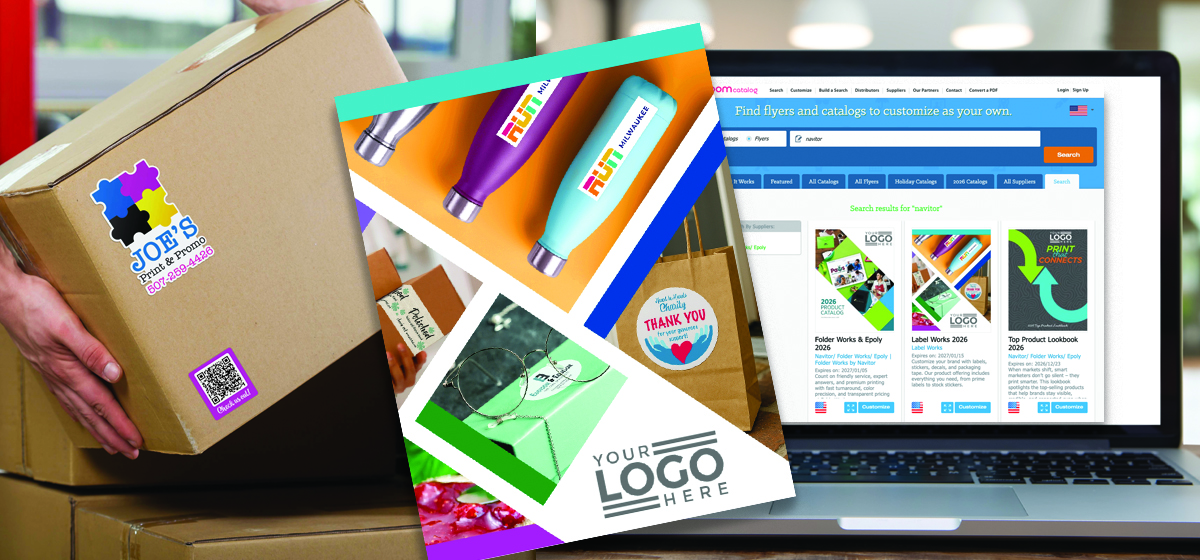
Personalization keeps the opportunity connected to you

A supplier catalog may contain useful product information, but your customer should also know whom to contact when an idea catches their attention.

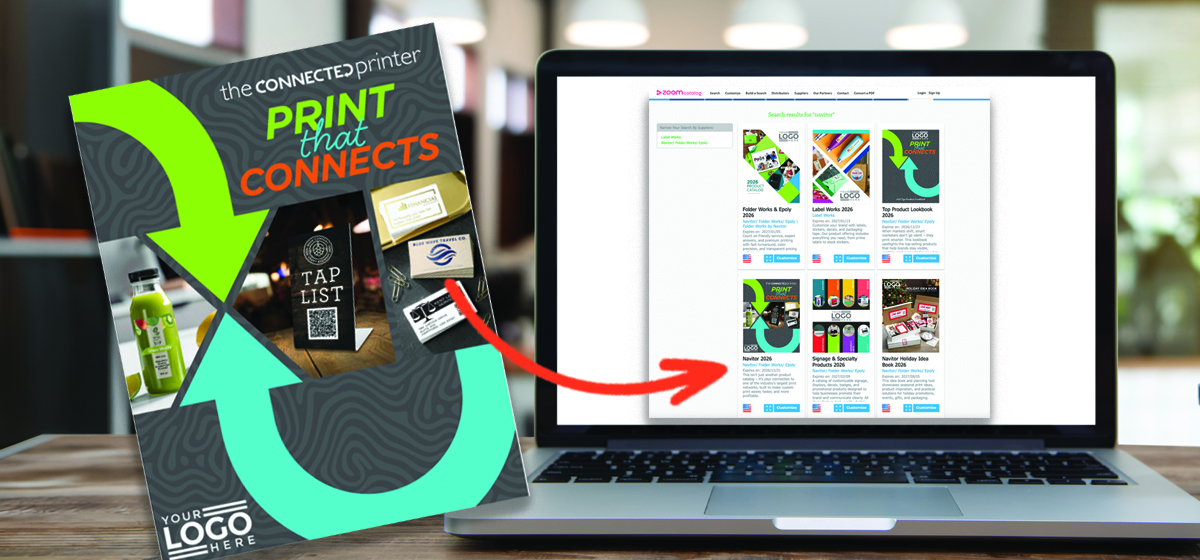
ZOOMcatalog allows you to personalize Navitor catalogs with your company information, including your logo and contact details. The result is a customer-facing resource that keeps your business visible as customers browse products and consider possibilities.

That personalization serves several practical purposes:

  • It gives customers a clear path back to you.
  • It reinforces your role as their print resource.
  • It helps the catalog feel relevant to your business relationship.
  • It allows you to share professionally presented product content without creating a catalog from scratch.

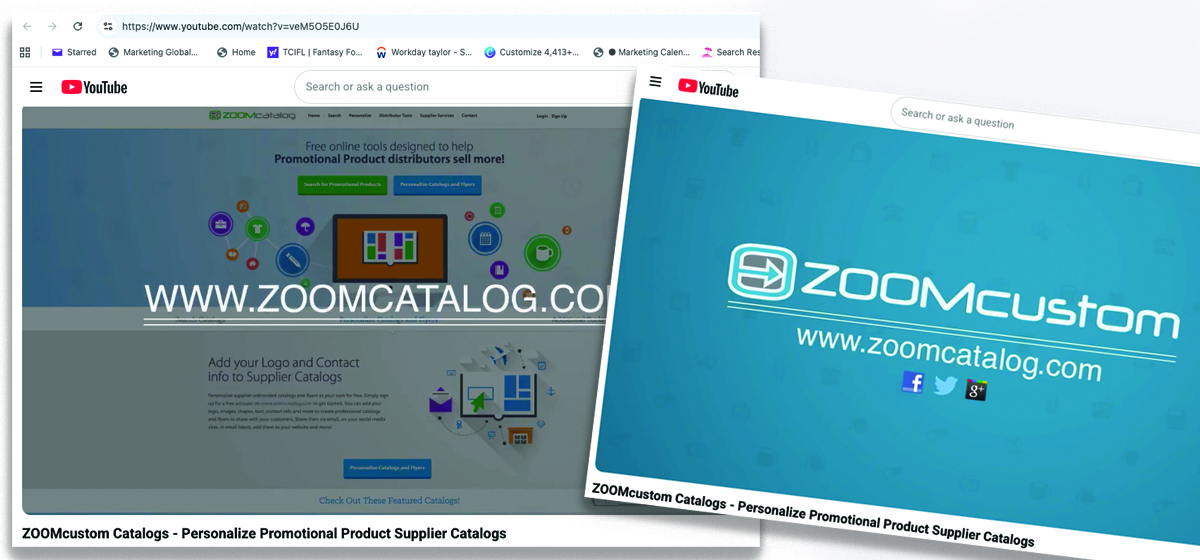
If you haven’t customized a catalog before – or could use a quick refresher – watch this short catalog-customization tutorial.
The live link gives customers the latest catalog version

Navitor’s 2026 Digital Catalog receives quarterly updates on ZOOM. When you share your customized ZOOMcatalog link, those updates flow into the online version your customers see.

A downloaded PDF works differently. It is a static copy saved at the time of download, just like any other file stored on a computer. Changes made later can’t be added to a PDF that has already been downloaded.

That makes the live link the best choice for most ongoing sharing:

  • Customers see the latest available catalog version.
  • You don’t have to redistribute a new file after each quarterly update.
  • The same link can continue working in emails, proposals, social posts, and website resources.
  • Customers can browse online without managing a large attachment.

A PDF can still be helpful when someone needs an offline or printed copy. For everyday digital sharing, however, use your live ZOOMcatalog link whenever possible.

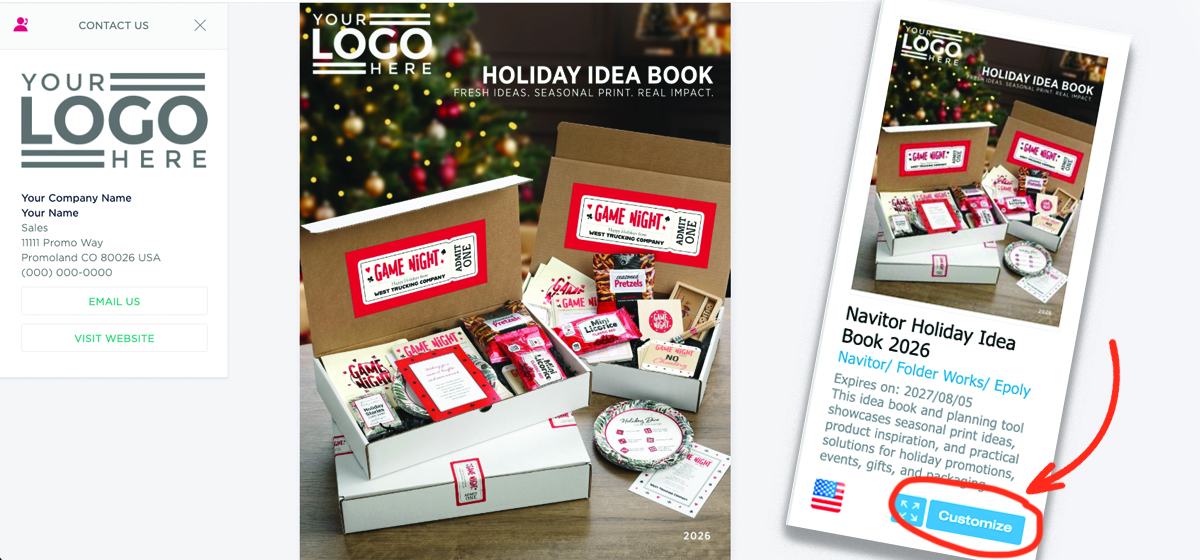
Customize a Navitor Catalog on ZOOM
Digital catalogs are easier to keep in circulation

Printed catalogs have an important place in sales conversations, especially when customers prefer a physical resource. Digital catalogs add another advantage: they can travel almost anywhere your customer communications go.

A single catalog link can support:

  • Prospecting emails
  • Post-meeting follow-up
  • Proposals and quotes
  • Account-review conversations
  • Newsletters
  • Social media
  • Email signatures
  • Resource sections on your website
  • Seasonal campaigns

Because the catalog is available through a link, you can share it repeatedly without attaching a large file. You can point customers to the categories or page numbers most relevant to them rather than expecting them to search through the entire catalog.

The goal is not merely to make the catalog available. The goal is to give it a specific role in your sales activity.
Suggested pricing provides a starting point

Navitor digital catalogs include suggested retail pricing to give customers a useful reference as they explore products and consider their needs. These prices are suggestions only; you remain in control of the final prices you quote to your customers.

Actual pricing may vary based on quantity, product specifications, customization, production requirements, shipping, service needs, local market conditions, and other factors. This flexibility allows each distributor to price appropriately for their business, market, and the value they provide.

When sharing a catalog, you can set expectations with a simple message such as: “The catalog includes suggested retail pricing for general planning purposes. Contact us for recommendations and a personalized quote based on your specific project.”

Seven practical ways to share your customized catalog

Once your catalog is personalized, put it into circulation with these seven approaches.

1. Add it to account follow-up emails

After a meeting or sales call, send the catalog with a brief note directing the customer to products related to your conversation. Try: “Based on what we discussed, pages XX–XX may give you a few additional ideas. If something catches your attention, I can help you explore the options.”

2. Share it before planning meetings

Send the catalog before an annual, quarterly, or seasonal planning conversation. Giving customers time to browse may lead them to identify needs that would not have surfaced during the meeting alone.

3. Include it with proposals

A proposal may focus on one immediate project, but the catalog can introduce additional ways you can help. Position it as an ideas resource rather than an unrelated attachment.

4. Feature one product category at a time

Don’t feel obligated to promote the entire catalog in every message. Highlight a different category in monthly emails, newsletters, or social posts, then link customers to the relevant section.

A focused introduction is often more useful than a general invitation to browse hundreds of products.

5. Add it to your website

Include your customized catalog in a resources, products, or capabilities section. This gives current customers and prospects a convenient way to explore your print selection while keeping your contact information within reach.

6. Reconnect with inactive customers

A personalized catalog gives you a practical reason to reach out beyond the usual “checking in” message.

Try: “I wanted to share our current digital print catalog. It includes a wide range of ideas we can help you explore, and I thought it might be useful as you plan upcoming projects.”

7. Use focused editions when timing matters

A comprehensive catalog supports year-round discovery. A seasonal idea book gives you a more timely reason to initiate a conversation.

Use both roles strategically: the main catalog can remain in regular circulation, while focused editions can support specific campaigns, industries, or selling seasons.
Use the Holiday Idea Book to start timely conversations

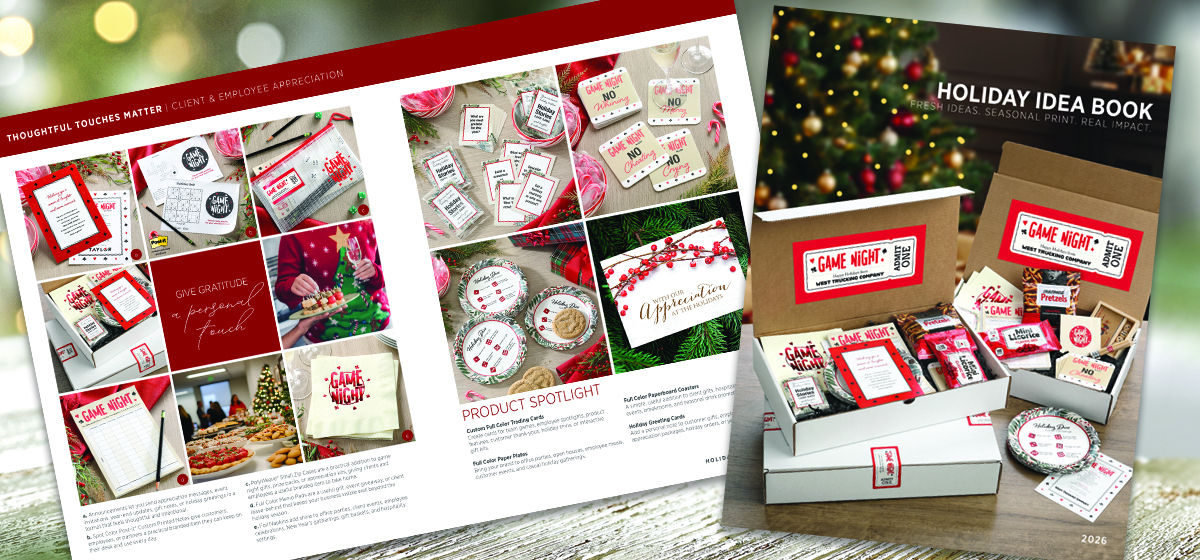
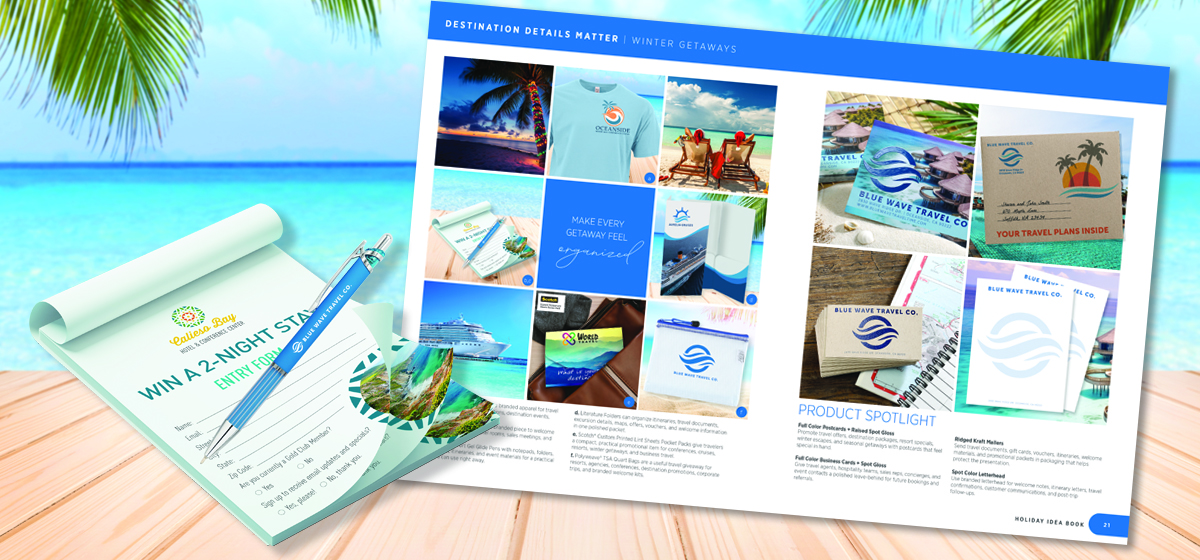
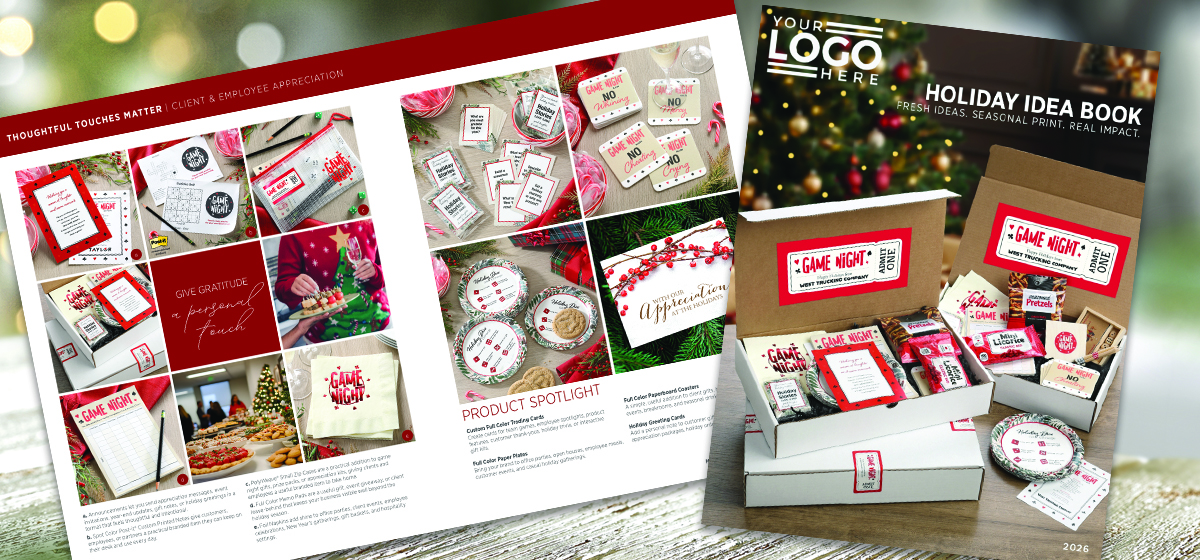
The new Holiday Idea Book is also now available on ZOOM. It brings together print ideas for celebrations, appreciation, events, gifting, packaging, promotions, and year-end communications.

Customize it with your company information and use it to begin conversations before seasonal plans and deadlines are firmly set.

You might introduce it with a message like this:

Holiday planning is starting, so I wanted to share a collection of print ideas for upcoming events, gifting, packaging, promotions, and year-end communications. If something catches your attention, I can help you explore the options.

The Holiday Idea Book can support several types of outreach:

  • Email it to customers who ordered holiday print last year.
  • Share it before seasonal planning meetings.
  • Highlight one product spread at a time on social media.
  • Add it to quotes and follow-up emails.
  • Send it to organizations planning employee, donor, or customer appreciation programs.
  • Use it to introduce holiday categories to customers who currently purchase only year-round essentials.

Seasonal relevance provides a natural reason to reach out now without relying on artificial urgency.
Customize once. Keep finding reasons to share

A personalized digital catalog shouldn’t just sit quietly on a website waiting to be discovered. Treat it as an active part of your sales process.

Use it to answer “What else do you offer?” Direct customers to categories related to what they already buy. Add it to follow-up messages and proposals. Share focused editions when the timing supports a new conversation.

Most importantly, share the live ZOOMcatalog link whenever possible so customers can access the latest available version, including Navitor’s quarterly updates.

Extend Your Outreach Beyond the Catalog

Your customized catalog can serve as the centerpiece of a larger marketing effort. Navitor’s searchable image library gives you access to product imagery you can use in your own emails, website content, and social media posts. Choose images that support the products or markets you want to promote, then link your content back to your customized catalog so customers can continue exploring.

Explore the Image Library

Customize the 2026 Navitor Digital Catalog and Holiday Idea Book on ZOOM, add your company information, and give customers more print ideas to explore – with your company information connected to every idea.

 

5 Print Staples Retailers and Small Businesses Keep Coming Back For

Retailers and small businesses don’t usually wake up thinking, “We should order more print today.”

They realize they have a new employee who needs business cards. A seasonal promotion that needs to be announced. A product that needs a label. An event that needs signage. Or a stack of envelopes that’s getting dangerously low.

The print order follows the change.

For you, that’s an important distinction. The best opportunity may not begin with a customer asking for a specific printed product. It may begin with a new hire, an updated offer, a product launch, a busy season, or a change in how the business serves its customers.

Pay attention to what’s changing, and you will often find the next print need.

Consider it your Reorder Radar: a way to recognize the business moments that lead retailers and small businesses back to practical, frequently used print products.

Here are five categories that deserve a regular place in those conversations.

1. Business Cards: When the Team or Contact Information Changes

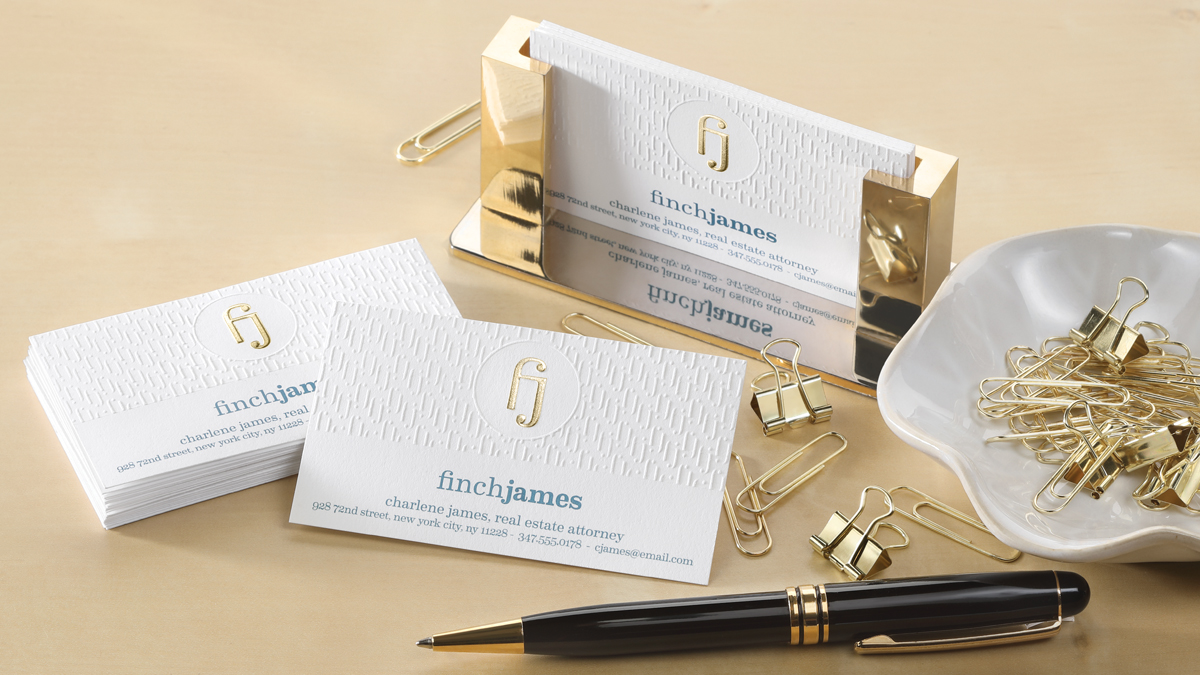
Business cards remain one of the most familiar printed pieces, but the opportunity extends well beyond placing a name and phone number on cardstock.

They support networking, appointments, sales calls, vendor meetings, events, referrals, and everyday introductions. They also give you an easy reason to check whether other branded materials need attention.

Common business card order triggers include:

  • A new employee joins the team.
  • An existing employee receives a new title.
  • The company changes its address, phone number, or website.
  • A new location opens.
  • The business refreshes its branding.
  • A conference, trade show, or networking event is approaching.

Rather than moving directly to quantity and stock, ask:

“Is this update for one person, or are there other team members and materials that need the same changes?”

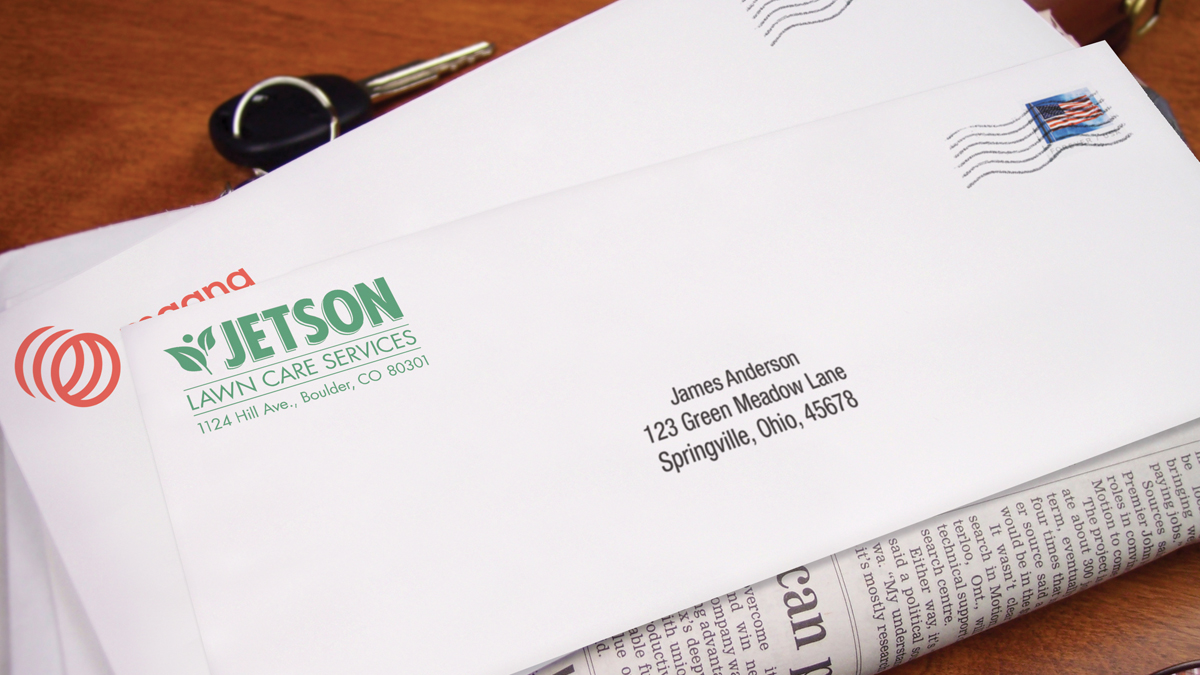
A new business card order may uncover outdated name badges, letterhead, envelopes, presentation folders, or notepads. If the logo, address, or contact information has changed in one place, it may need to change in several others.

Business cards are often the first request. A coordinated brand update may be the bigger opportunity.

2. Flyers, Brochures, and Postcards: When the Offer Changes

Retailers and small businesses are constantly giving customers reasons to pay attention.

They introduce services, run promotions, prepare for community events, update menus, announce openings, explain products, and remind customers what makes the business useful.

Flyers, brochures, and postcards can support all those needs.

These pieces may be handed out, displayed at the counter, inserted into bags or shipments, included in presentation folders, distributed at events, or used by sales representatives as leave-behinds.

Listen for order triggers such as:

  • “We’re launching a new service.”
  • “We have a summer promotion coming up.”
  • “We’re participating in a local event.”
  • “Our pricing or product selection has changed.”
  • “We need something customers can take with them.”
  • “We need to explain this more clearly.”

A helpful follow-up question is:

“Where will customers encounter this message, and what do you want them to do next?”

The answer can help determine whether the customer needs a flyer, brochure, postcard, rack card, door hanger, table tent, poster, or combination of pieces.

It may also create an opportunity to connect print with digital content. A QR code on a brochure, flyer, table tent, label, or postcard can send customers to an appointment page, menu, online store, product demonstration, special offer, event registration form, or review site.

The printed piece gets attention. The digital destination provides the next step.

More Ways to Support Small Business Customers

From everyday brand materials to promotional pieces and customer communications, Navitor’s Small Business Industry Flyer can help you start broader conversations and identify more ways to support local businesses.

Explore Small Business Ideas

3. Labels and Hang Tags: When the Product Changes

For retailers and product-based businesses, the product itself creates a steady stream of print needs.

New varieties need labels. Seasonal merchandise needs hang tags. Updated packaging needs revised information. Special editions, product launches, and expanded inventory may require entirely new versions.

Custom labels and hang tags can help businesses communicate:

  • Product names and varieties
  • Pricing
  • Ingredients or instructions
  • Sizes and specifications
  • Promotional messages
  • Brand information
  • Seasonal or limited-edition details

Because products and inventory change, these pieces often create solid reorder potential.

When a customer requests labels or hang tags, ask:

“Where does the product go after this piece is applied?”

Does it sit on a shelf? Hang on a display? Go into a shipping envelope? Get packed into a folded carton? Travel directly to the customer? Appear at a market, event, or retail counter?

That one question can broaden the packaging conversation.

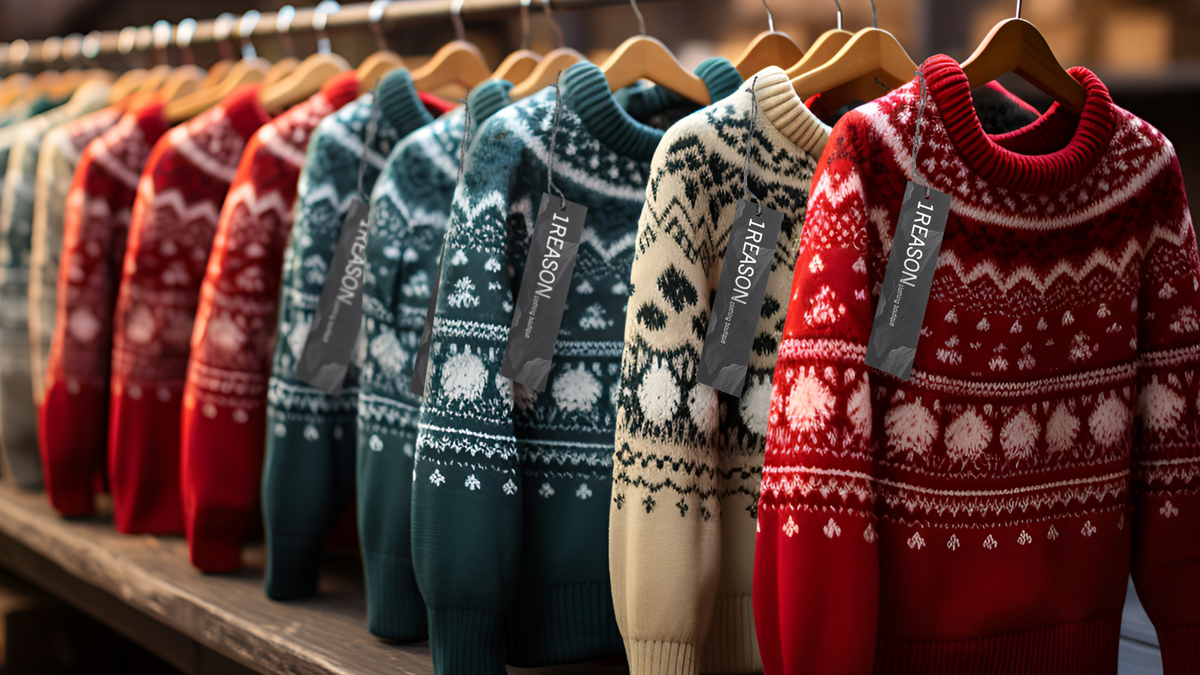
A label request may lead to hang tags, decals, branded packaging tape, shipping envelopes, or folded cartons. The right combination depends on what the product needs to communicate, how it is sold, and how it reaches the buyer.

Your role is not to add packaging elements simply to increase the order. It is to help the customer identify which pieces make the product easier to recognize, understand, handle, display, or ship.

4. Posters, Banners, and A-Frames: When the Space Changes

Retailers and local businesses need to communicate with customers before they enter, as they move through the space, and when they reach the point of purchase.

That makes signs and displays a recurring need rather than a one-time purchase.

Posters, banners, and A-frame or sandwich-board signs can help announce:

  • Sales and limited-time offers
  • Grand openings
  • Seasonal promotions
  • New products or services
  • Events
  • Business hours
  • Pickup instructions
  • Wayfinding information
  • Temporary operational changes

The right sign depends on where the message needs to work.

Ask:

“Where does someone need to see this – from the street, at the entrance, inside the location, or near the point of purchase?”

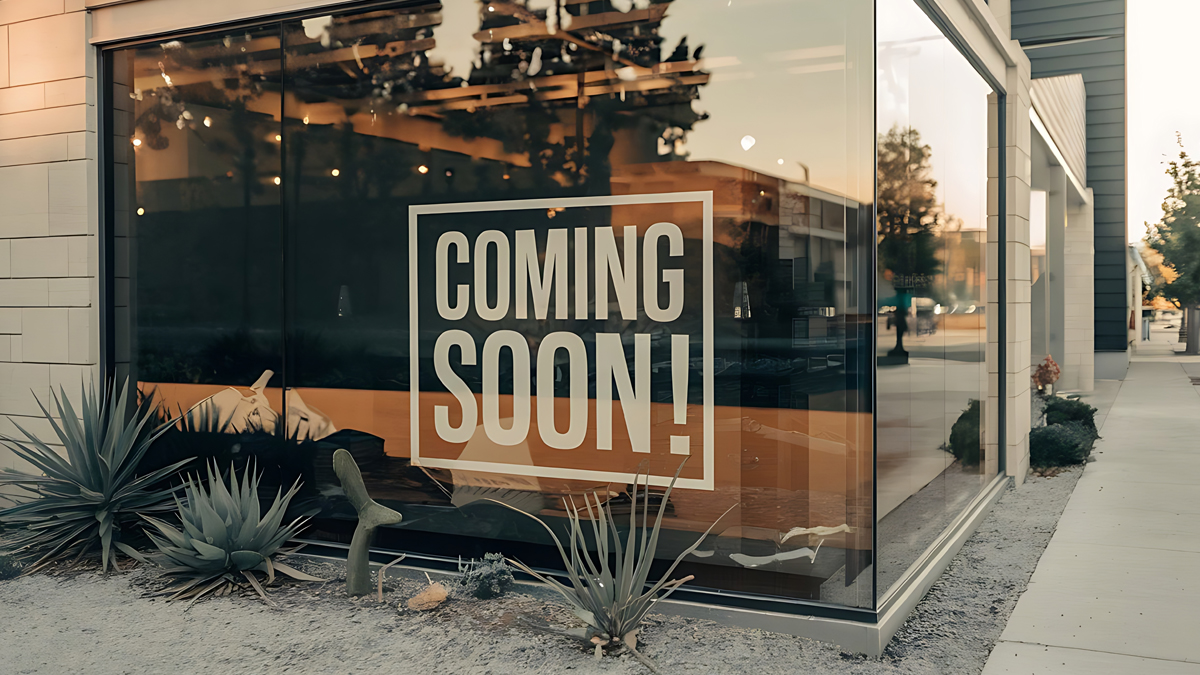
A message aimed at passing traffic may call for an A-frame sign or a banner. A customer already inside the business may be better reached with a poster, pedestal sign, table tent, counter sign, or decal.

The need may also extend beyond the sign itself.

A sidewalk sign announcing a promotion could be supported by matching posters inside, flyers customers can take home, counter materials that explain the offer, and labels that carry the promotion through to the product.

Think about the full path:

What gets someone to stop? What helps them understand the message? What gives them a next step?

That’s where one signage request can become a more coordinated promotion.

Take the Retail Conversation Beyond One Product

Navitor’s Retail Industry Flyer brings together print ideas for storefront visibility, in-store promotions, product presentation, packaging, and everyday customer communication.

Explore Retail Ideas

5. Letterhead, Envelopes, and Notepads: When the Business Changes


Promotional print may receive more attention, but the materials businesses use every day can create some of the most dependable reorder opportunities.

Letterhead, envelopes, and notepads support customer correspondence, proposals, estimates, appointments, internal communication, sales meetings, and routine business operations.

They’re practical, visible, and frequently replenished.

Order triggers may include:

  • A change in branding
  • New contact information
  • A new office or location
  • Updated customer packets
  • Growth in staff or sales activity
  • Changes to business processes

  • Inventory running low
  • A new need for branded correspondence

A useful question is:

“Which materials does the business use repeatedly, and which ones still show outdated branding or information?”

A letterhead update may reveal that envelopes, folders, forms, business cards, notepads, or stamps also need attention.

This is especially helpful for customers who update items one at a time. A quick review can help them avoid using an old address on one piece, a former logo on another, and current branding everywhere else.

The opportunity is not about making everything match for appearance alone. It is about helping the business communicate accurately and consistently wherever customers encounter it.

Listen for the Change Behind the Request

The five categories above are useful because they connect to events that happen repeatedly in retail and small business.

When a customer says:

  • “We hired someone new.”
  • “We are running a promotion.”
  • “We added a product.”
  • “We have an event coming up.”
  • “We changed our logo.”
  • “We are opening another location.”

A print conversation is probably close behind.

The product they request may be only the first item they have considered.

What They Asked For – and What May Come Next

Imagine a local boutique contacts you for labels for a seasonal product line.

The immediate need is clear. But a few questions may reveal that the collection will also have hang tags, an in-store launch, and online orders.

Now the conversation may include:

  • Product labels
  • Hang tags
  • An A-frame sign announcing the launch
  • Posters inside the store
  • Promotional postcards placed in customer bags
  • Branded packaging tape for online shipments

Or consider a service-based small business ordering business cards for a new employee.

A conversation about how the employee will work with customers may uncover a need for:

  • Presentation folders for estimates
  • Branded notepads for appointments
  • Door hangers for neighborhood outreach
  • Flyers explaining key services
  • Updated name badges or stationery

Neither conversation requires an aggressive sales pitch. It requires curiosity.

You ask: “What changed, where the printed piece will be used, and what else supports the same goal?”

Build Repeat Business by Making the Next Need Easier to See

Retailers and small businesses keep returning to these print staples because their businesses keep moving.

Employees join. Offers change. Products launch. Promotions rotate. Information gets updated. Supplies run out.

Resellers who understand those patterns can become more useful long before the customer searches for a specific product.

On your next customer call, try asking:

“What is changing in the business right now?”

The answer may point directly to the product they requested. It may also reveal a need they have not considered yet.

That’s where repeat business often begins – not with a product pitch, but with a better question.


Discover all that Navitor has to offer today. You’ll be glad you did.


The Idea Book That Helps Customers See the Whole Season

The holiday season has a way of arriving early.

Retail displays appear before the weather changes. Restaurants start planning seasonal menus while customers are still enjoying summer. Nonprofits begin mapping out year-end giving campaigns months before donations peak. Companies schedule appreciation events, customer gifts, employee celebrations, and holiday mailings long before the first invitation goes out.

That early planning window matters.

For many businesses, holiday print isn’t just about one greeting card, one sale sign, or one shipping label. It’s about creating a complete seasonal experience that helps them attract customers, promote offers, organize events, thank important people, package products, and stay visible during one of the busiest times of the year.

That’s where the Holiday Idea Book can help.

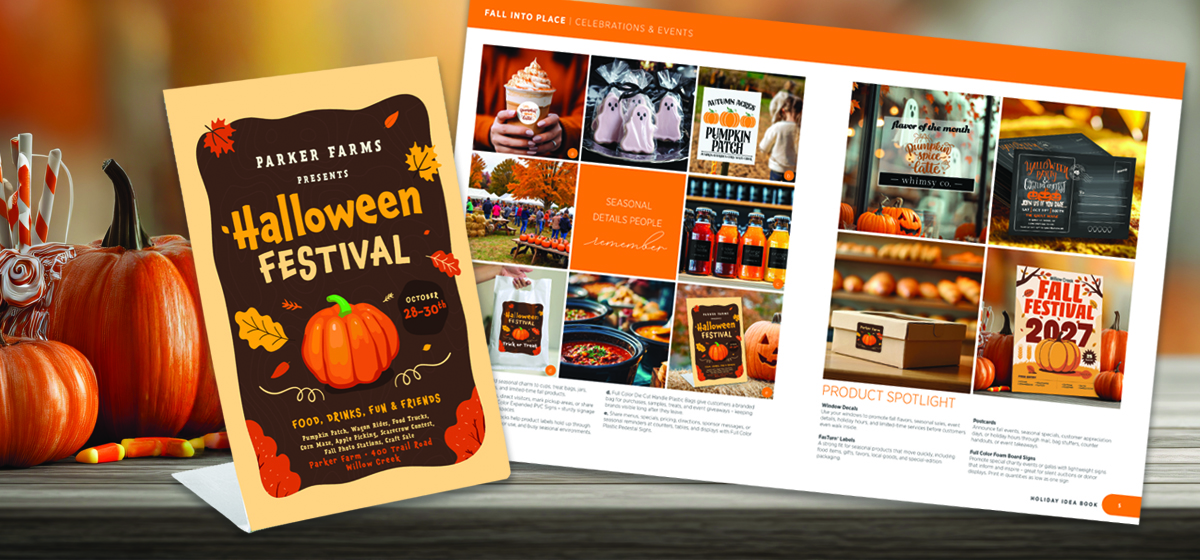
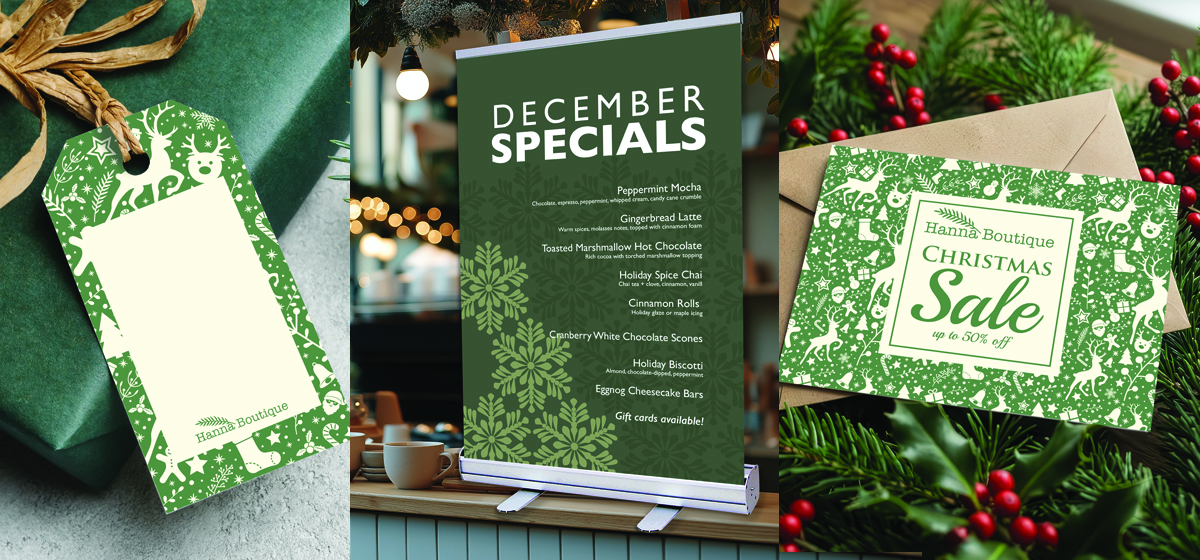
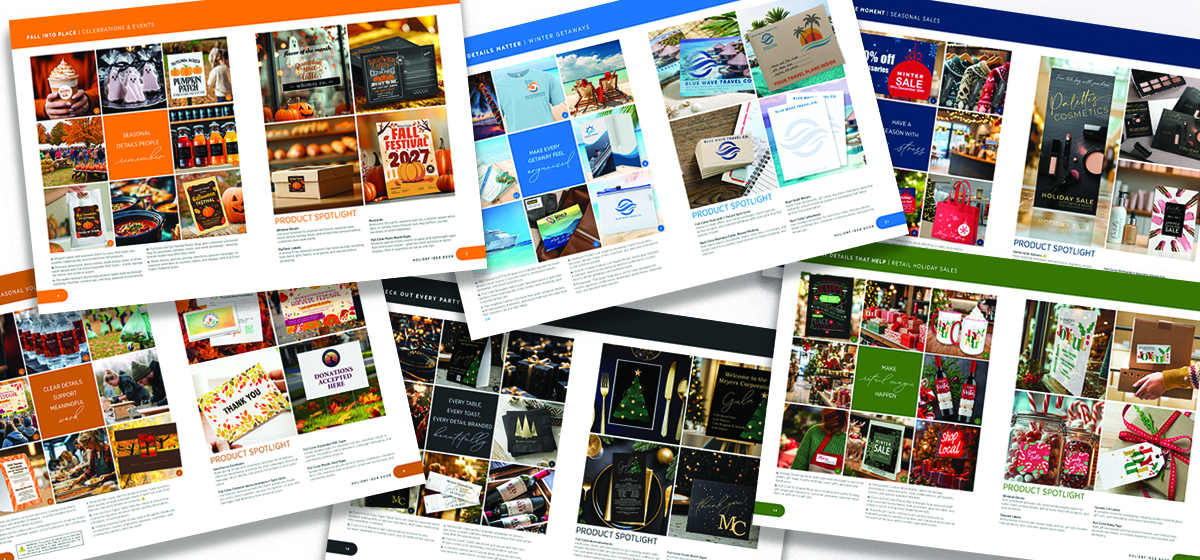
This white-labeled digital asset gives you an easy, visual way to start customer conversations before timelines get tight. It’s filled with seasonal print ideas, vivid product imagery, and customer-friendly product descriptions that help buyers picture what they may need for holiday sales, fall events, appreciation gifts, seasonal packaging, shipping, winter travel promotions, and more.

Use it as more than a product showcase. Use it as a planning tool.

Start the Conversation Before Customers Feel Rushed

Many customers wait until they have an immediate need.

  • They ask for a banner because the sale starts next week.
  • They need labels because products are already being packed.
  • They remember announcements after the mailing list is due.
  • They realize they need event signage once the event is almost here.

Last-minute needs will always happen, but holiday print works better when it’s planned with the whole season in mind. Earlier conversations give customers more room to think through quantities, designs, approvals, timing, and add-on pieces that support the same goal.

A simple message can open the door:

“I know many businesses are already planning for the holiday season. I thought this idea book might help you think through signage, packaging, cards, gifts, events, and customer touchpoints before things get busy.”

That note is helpful, timely, and easy to act on. It also positions you as a resource before your customer is in urgent mode.

Help Customers See the Bigger Need

Customers don’t always ask for print in product language. They usually start with a business goal.

They want more people in the store.
They want an event to feel organized.
They want a gift to feel more thoughtful.
They want packaging to look more seasonal.
They want customers to remember an offer.
They want employees, donors, or partners to feel appreciated.

The Holiday Idea Book helps translate those goals into practical print ideas.

Instead of asking, “Do you need holiday cards this year?” you can ask:

“What are you doing this season to thank customers, employees, donors, or partners?”

Instead of asking, “Do you need any signs?” try:

“Are you planning any seasonal sales, special hours, pickup options, or events that customers will need to know about?”

Those questions lead to better conversations because they focus on what the customer is trying to accomplish, not just what they ordered last year.

Use the Idea Book by Customer Type 

Because the idea book is visual and white-labeled, it’s easy to share with different types of customers as your own seasonal planning resource. To make it more effective, point customers toward the ideas that match their business.

For retail customers, highlight holiday signage, window decals, counter signs, hang tags, labels, custom bags, gift packaging, postcards, and loyalty punch cards. These products help shoppers find offers, understand product details, notice gift options, and enjoy a more complete shopping experience.

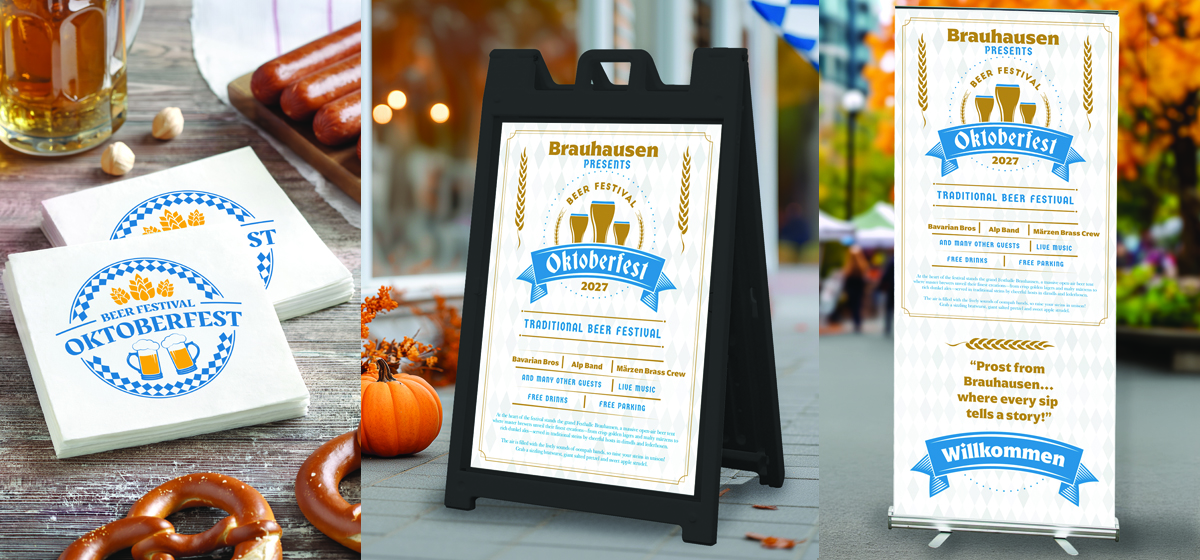
For restaurants, venues, and hospitality businesses, focus on table tents, napkins, coasters, rack cards, drinkware, event signage, posters, menus, and holiday cards. These pieces help support seasonal dining, private events, customer appreciation, and branded guest experiences.

For nonprofits, churches, and community organizations, point to banners, yard signs, remittance envelopes, donation materials, thank-you cards, event tickets, table tents, and sponsor signage. These items help promote causes, organize volunteers, support fundraising, and make giving easier.

For corporate customers, share ideas for appreciation gifts, announcements, greeting cards, memo pads, drinkware, napkins, paperboard coasters, event programs, and holiday party materials. These products help businesses recognize the people who supported their year.

For travel, resort, and hospitality clients, use the winter getaway ideas to start conversations about folders, postcards, notepads, pens, apparel, TSA bags, badges, and welcome kits. These pieces help prepare travelers, improve customer experiences, and create branded takeaways.

The more specific your outreach feels, the more useful the idea book becomes.

Turn One Request into a More Complete Plan

One of the biggest opportunities in holiday print is helping customers see what naturally belongs together.

  • A customer who asks for a holiday card may also need mailing labels, envelopes, gift tags, stickers, or appreciation gifts.
  • A customer who asks for a banner may also need window decals, counter signs, postcards, table tents, or directional signage.
  • A customer who asks for labels may also need hang tags, bags, packaging tape, mailing labels, or gift packaging.
  • A customer planning an event may need announcements, rack card programs, napkins, paperboard coasters, table tents, signs, tickets, and thank-you cards.
  • A customer preparing seasonal shipments may need packaging tape, mailing labels, greeting cards, door hangers, or inserts.

This approach isn’t about adding products just to add products. It’s about helping customers create a more complete experience around the thing they are already trying to do.

A Simple Step-by-Step Plan

Here’s a practical way to use the Holiday Idea Book throughout the season.

Step 1: Choose your first group of customers.
Start with customers who are most likely to have seasonal needs: retailers, restaurants, nonprofits, schools, hospitality businesses, churches, corporate accounts, salons, boutiques, real estate offices, travel agencies, and anyone who hosts events, sends mailings, sells gifts, or ships products.

Step 2: Send the idea book with a short note.
Don’t just attach a link to the lookbook and hope they browse it. Give them a reason to open it. Mention that it includes ideas for holiday sales, seasonal events, customer appreciation, gifting, packaging, shipping, and year-end communication.

Step 3: Ask one good planning question.
Keep it simple. Try: “Are you planning any holiday promotions, customer gifts, events, or special packaging this year?” One focused question is easier to answer than a long list of possibilities.

Step 4: Point to one or two relevant sections.
Make the asset easier to use. For a retailer, call out the retail holiday sales and seasonal sales sections. For a nonprofit, suggest the volunteer events and shipping sections. For a corporate customer, point to client and employee appreciation or holiday events.

Step 5: Recommend a connected set of pieces.
Once you know the goal, suggest the print that supports it. For example, a holiday open house could include invitations, window decals, counter signs, table tents, napkins, paperboard coasters, custom labels, and thank-you cards.

Step 6: Talk timing early.
Help customers work backward from their event date, sale launch, mailing deadline, or shipping window. Early planning helps reduce rushed decisions and gives them more time for approvals, revisions, and reorders.

Step 7: Follow up with a specific idea.
Avoid the generic “just checking in.” A stronger follow-up sounds like: “I noticed a few ideas in the idea book that could work well for your customer appreciation gifts this year. Would it help if I pulled together a few options?”

Best Practices for Better Holiday Conversations

The idea book works best when it’s used with intention.

Share it early, before customers are under pressure.
Personalize your message by customer type.
Focus on the goal behind the print piece.
Use the visuals to help customers imagine the finished experience.
Ask about events, gifting, packaging, signage, shipping, and promotions.
Recommend pieces that support the same need.
Bring up timelines before the season gets crowded.
Follow up with one useful idea, not a broad product list.

Holiday print touches almost every part of the season: sales, events, gifting, packaging, customer appreciation, employee recognition, fundraising, and year-end communication. The more customers can see those connections, the easier it is for them to plan with confidence.

Make the Season Easier to Plan

The Holiday Idea Book gives you a ready-to-share resource that helps customers think earlier and more completely about the season ahead. It gives them ideas they can see, products they can understand, and a better way to connect print with the moments that matter most to their business.

Start with one customer. One seasonal event. One promotion. One appreciation gift. One packaging need.

Then use the idea book to help them see what else could make the season smoother, more memorable, and more successful.


View the Holiday Idea Book


How to Identify Your Target Market in 6 Easy Steps

Most resellers can sell print to almost any business. 

That’s both the opportunity and the trap. 

When your product mix includes business cards, envelopes, labels, folders, forms, signs, banners, badges, stamps, decals, marketing materials, packaging products, and more, it can feel like every company is a potential customer. And technically, many of them are. 

But “everyone” is not a very helpful target market. 

When you try to market to everyone at once, your message gets softer. Your outreach gets broader. Your time gets spread thinner. And your best-fit customers – the ones with real need, repeat potential, and room to grow – may get scooped up by a competitor who knew exactly what to look for. 

The good news? You don’t need a complicated customer targeting strategy to find stronger print sales opportunities. You just need a practical way to narrow your focus, spot better-fit accounts and market with more intention. 

Here are six steps to help you identify your target marketfind better customers, and focus your sales energy where it has a better chance to pay off. 

1. Start with what your best customers already have in common 

Before you chase new prospects, look at the customers already buying from you. 

Your current customer list is one of the best places to find clues about your next opportunity. Which customers order consistently? Which ones buy more than one product category? Which ones ask for ideas instead of only asking for the lowest price? Which ones are easier to serve, more open to recommendations, and more likely to come back? 

Those details matter. 

A customer who orders once a year may be useful. A customer who orders forms, envelopes, labels, signs, and seasonal marketing materials throughout the year is something different. That is a relationship with room to grow. 

Start by reviewing your customer base and asking: 

  • Which customers reorder most often? 
  • Which customers buy across multiple categories? 
  • Which customers have recurring business needs? 
  • Which customers are growing, expanding, or changing? 
  • Which customers trust your recommendations? 
  • Which customers are profitable, not just busy? 

This step helps you identify patterns. Maybe your strongest accounts are schools. Maybe healthcare offices keep coming back. Maybe local service businesses have a steady need for appointment cards, forms, yard signs, decals, and branded envelopes. Maybe manufacturers are buying labels, tags, forms, and safety signage more often than you realized. 

The goal is not to create a perfect spreadsheet for your pipeline. The goal is to notice what your best customers have in common so you can find more customers like them. 

2. Look for industries with repeat print needs 

Some industries naturally create stronger print opportunities because they rely on print to operate, communicate, promote, organize, and serve customers. 

That doesn’t mean every account in those industries will be a perfect fit. It does mean they are worth a closer look. 

Think about industries with frequent customer interaction, recurring paperwork, seasonal activity, compliance needs, local visibility needs, or ongoing communication. These are often solid places to look for print need ideas because print isn’t a one-time novelty for them. It’s part of how they run. 

Examples include: 

  • Healthcare offices that need appointment cards, forms, labels, envelopes, signage, folders, and patient communication materials. 
  • Schools and education organizations that need event tickets, event signs, folders, fundraising materials, postcards, labels, and branded stationery. 
  • Real estate teams that need business cards, folders, signs, postcards, door hangers, and local marketing materials. 
  • Manufacturers that need labels, tags, forms, safety signage, decals, and shipping materials. 
  • Retail businesses that need product labels, window clings, sale signage, packaging materials, ID badges, loyalty cards, and seasonal marketing pieces. 
  • Nonprofits that need appeal letters, event materials, banners, remittance envelopes, thank-you cards, and donor communication pieces. 
  • Professional services firms that need stationery, folders, envelopes, forms, presentation materials, and client communication tools. 

This is where vertical market sales strategy becomes especially useful. Instead of thinking only by product, you start thinking by industry need. That makes your outreach more relevant and your recommendations more useful. 

For example, “Do you need labels?” is fine. 

But “Are you preparing for seasonal promotions, product packaging updates, or in-store sale signage?” gives you a more potent opening. It connects print to real business situations. 

3. Match customer needs to product categories

Customers don’t typically think in print categories. 

They think in problems, deadlines, and business needs. 

They think: 

  • We need to look ready for the open house. 
  • We need to get these products labeled. 
  • We need to help customers find the right entrance. 
  • We need to send invoices. 
  • We need to promote the fundraiser. 
  • We need to organize new client paperwork. 
  • We need to ship orders without looking like we packed them in a broom closet during a power outage. 

That’s why one of the best ways to identify high-potential customers is to connect real-world customer needs to the products that support them. 

Here are a few examples: 

“I need to get noticed locally” could point to banners, yard signs, postcards, decals, door hangers, magnets, or A-frame signs. 

“I need to organize customer information” could point to folders, forms, labels, envelopes, checks, and stationery. 

“I need to prepare for an event” could point to badges, signs, banners, invitations, table tents, folders, brochures, and handouts. 

“I need to package or ship products” could point to labels, stickers, tags, packaging tape, decals, and flyers. 

“I need to communicate with customers” could point to postcards, envelopes, letterhead, appointment cards, brochures, and business cards. 

“I need my team to look consistent” could point to badges, name tags, branded forms, signage, apparel, and customer-facing materials. 

This approach helps you move from order-taking to opportunity-spotting. 

A customer who asks for one product may have a larger need hiding behind the request. A school asking for event banners may also need directional signs, event tickets, folders, and fundraising materials. A clinic ordering appointment cards may also need labels, envelopes, forms, and patient handouts. A manufacturer ordering barcode labels may also need safety signage, shipping labels, tags, and operational forms. 

That’s where sales growth often lives – not in pushing more products, but in recognizing what else naturally fits. 

4. Score accounts by potential, not just size 

It’s easy to assume the biggest customer is the best customer. 

Sometimes that is true. Sometimes the biggest customer is also the biggest consumer of your time, patience, and emergency coffee. 

A better approach is to score accounts by potential, not size alone. 

A smaller business with frequent print needs, healthy growth, and openness to recommendations may be more valuable than a larger account that only buys once a year and price-shops every quote. This doesn’t mean you ignore large accounts. It means you look at the full opportunity. 

Try scoring your customers or prospects using these factors: 

  • Frequency: Do they reorder regularly? 
  • Fit: Do your print categories match their needs? 
  • Growth: Are they opening locations, hiring, expanding services, or launching new offers? 
  • Complexity: Do they need multiple types of print throughout the year? 
  • Relationship: Are they open to ideas and recommendations? 
  • Margin potential: Are they buying value-driven products, or only the cheapest basics? 
  • Timing: Do they have seasonal, annual, or event-based buying cycles? 

This kind of simple scoring system can help you prioritize follow-up. It can also help you decide where to spend time with samples, sales materials, targeted emails, or one-to-one outreach. 

For example, a small dental office might not look like a huge opportunity at first glance. But if it needs appointment cards, patient forms, recall postcards, labels, envelopes, indoor signs, and seasonal promotional products, it may be a steady account with repeat potential. 

That’s the kind of account worth noticing before someone else does. 

5. Watch for buying signals 

Customers often show signs of need before they ask for a quote. 

The reseller who notices those signals first has an advantage. 

A buying signal is any clue that a business may need print soon. Some are obvious. Others are hiding in plain sight. 

Look for signs like: 

  • A new business opening 
  • A new location 
  • A rebrand or logo refresh 
  • A hiring push 
  • A new product launch 
  • A seasonal sale or promotion 
  • An upcoming fundraiser 
  • A community event 
  • A trade show or conference 
  • A new service offering 
  • A website update 
  • More social media activity 
  • A local sponsorship 
  • A move, expansion or remodel 

Each of these moments can create practical print needs. 

A restaurant opening a second location may need menus, window graphics, labels, hiring materials, postcards, and signs. 

A nonprofit planning a fundraiser may need announcements, remittance envelopes, banners, programs, directional signage, and thank-you cards. 

A real estate office adding agents may need business cards, folders, signs, postcards, and custom marketing materials. 

A retailer launching a new product line may need product labels, shelf signage, packaging stickers, ID badges, window clings, and promotional postcards. 

This is one of the simplest ways to increase print sales without waiting for customers to come to you. Pay attention to what is happening in your customers’ world, then reach out with a specific idea tied to that moment. 

The message doesn’t need to be complicated. In fact, it shouldn’t be. 

Try something like: 

“I saw you have a fundraiser coming up and thought of a few print pieces that could help with promotion, wayfinding, and donor follow-up.” 

Or: 

“Congratulations on the new location. If you are updating signage, labels, marketing or customer materials, I can help you pull together a few practical options.” 

Specific beats generic almost every time. 

6. Build a focused outreach plan 

Once you know which customers and industries have stronger potential, turn that insight into action. 

This is where many resellers get stuck. They identify promising accounts, then go back to sending the same general message to everyone. 

Don’t let the plan die in the land of “interesting information.” That place is crowded and full of abandoned PDFs. 

Instead, build a simple outreach plan. 

Pick one or two industries to focus on each month. Create a short list of likely product needs for each industry. Send a practical email with timely ideas. Share a relevant flyer, sample, or sales tool. Follow up with a specific suggestion. Track which customers click, reply, request quotes, or place orders. 

For example, if you focus on schools in late spring or summer, your outreach could mention fall registration, orientation, events, fundraising, and campus communication. Product ideas might include folders, signs, labels, event tickets, postcards, banners, and stationery. 

If you focus on retailers before the holiday season, your outreach could mention product labels, sale signage, window clings, packaging stickers, ID badges, gift card holders, postcards, and loyalty materials. 

If you focus on healthcare offices, your outreach could mention appointment cards, envelopes, forms, labels, badges, folders, rack cards, and patient communication pieces. 

The point is to make your message feel relevant to the customer’s actual work. 

Instead of saying, “Let us know if you need print,” you can say, “With fall events coming up, you may need banners, directional signs, folders, labels, and ID badges. Here are a few easy places to start.” 

That’s a more solid message because it gives the customer something useful to react to. 

super smart way to focus your sales effort 

Learning how to identify your target market isn’t about shrinking your opportunity. It’s about using your time more intentionally. 

You can still serve a wide range of customers. But when it comes to proactive marketing and sales outreach, focus matters. The more clearly you understand who is most likely to buy, reorder, and value your guidance, the easier it becomes to create messages that connect. 

Start with your best current customers. Look for industries with repeat needs. Match products to real business situations. Score accounts by potential. Watch for buying signals. Then build focused outreach around the markets most likely to respond. 

That’s how you stop chasing everyone and start finding better-fit customers before your competitors do. 

Ready to focus your sales efforts where they can do more good? Use Navitor’s Industries, Margin Potential, and Reorder Behavior in Print report to help identify promising verticals, spot reorder opportunities, and build more intentional outreach. 

View the Industries, Margin Potential, and Reorder Behavior in Print report 

Loyalty Programs + Print: The Retention Strategy No One Can Ignore

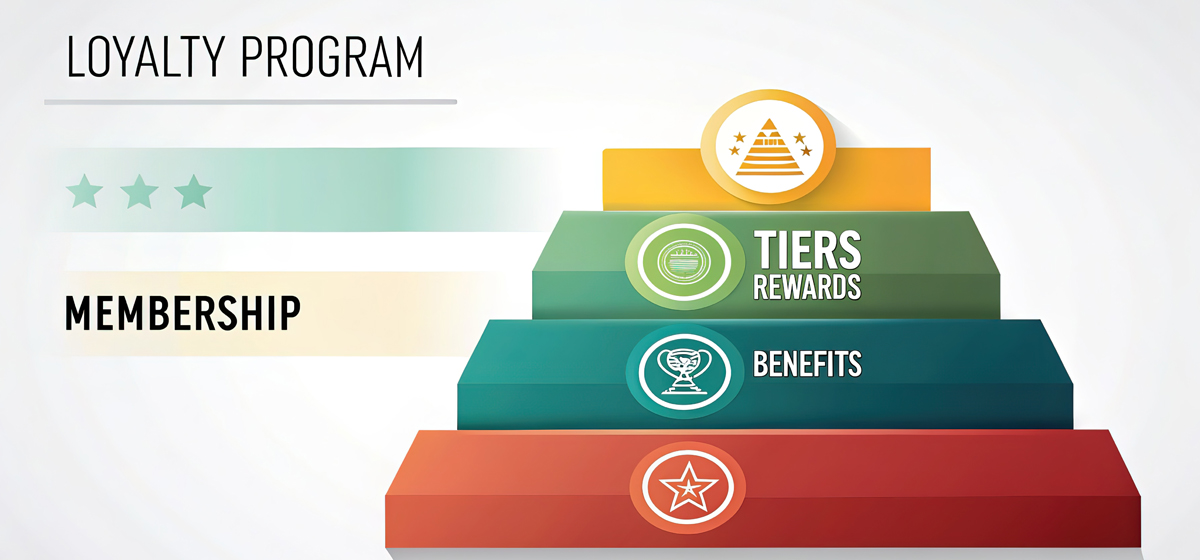
The shift from digital-only engagement to tactile, personalized moments that actually move the needle cannot be ignored. Discover which print pieces drive the strongest loyalty lift, how brands are using mailers, tier kits, and micro-run promo items to boost retention.

Digital loyalty programs aren’t going away – but their limitations are becoming impossible to overlook. Inboxes are crowded. Push notifications are ignored. App usage is inconsistent at best. And customers who once felt excited about accumulating points are now wondering what value they’re really getting.

Which is why 2026 is becoming the year loyalty programs go tactile again.

Brands across industries are rediscovering something resellers have known for decades: print creates the emotional pull that loyalty programs need to succeed. And when print enters the loyalty mix, retention strengthens, engagement rises, and customers feel genuinely seen.

For you, this shift presents one of the most reliable, high-margin opportunities of the coming year.

Why Loyalty is Surging (Again)

The realities behind the trend are clear:

Retention now outranks acquisition.
With rising advertising costs and shifting consumer behavior, brands can’t afford to lose the customers they already have. The pressure to increase Lifetime Value (LTV) is real – and print supports that mission beautifully.

Consumers crave personalization.
Digital channels often feel generic, even when they claim to be personalized. Print, on the other hand, feels intentional. When a member receives a mailer with their name, tier, or milestone, it signals recognition in a way no algorithmic email can.

Digital-only programs are underperforming.
Open rates and app engagement continue to decline. Physical pieces disrupt that downward trend by creating a moment customers can’t scroll past.

Tactile moments deepen emotional connection.
A loyalty card, a welcome kit, or a surprise-and-delight mailer isn’t fleeting. It gets held, shared, displayed, and remembered.

And the data backs it up:

  • Loyalty members drive 12–18% more revenue than non-members. (source: Queue-it)
  • About 65% of revenue comes from existing customers. (source: SellersCommerce)
  • Personalized direct mail drives 135% higher response rates than non-personalized pieces. (source: Postalytics)
  • Tiered loyalty programs show up to 30% higher lifetime value when print is incorporated. (source: CleverTap)
  • 72% of consumers want brands to surprise them through the mail. (source: Path to Purchase Institute)

These aren’t small lifts – they’re program-changing.

The Print Advantage in Loyalty Programs

Digital channels can automate. Print can resonate.

Print is emotional.
A welcome kit. A milestone certificate. A handwritten-style thank-you. These moments linger.

Print is personal.
Names, tiers, curated offers – all tangible and visible.

Print is high performing.
Mail gets opened. Kits get photographed. Cards get tucked into wallets. Unlike digital messages, printed pieces stick around. You gotta admit it, hitting unsubscribe in an email is easy to do.

Print scales beautifully.
Navitor makes low-minimum runs – even quantities as low as one – easy to produce. That means you can help your clients deliver VIP treatment without massive inventory or waste.

What Today’s Loyalty Teams Are Looking For

Across industries, loyalty managers are asking for solutions that check these boxes:

  • Flexibility
    The ability to update messaging quickly, test batches, and customize for different member tiers.
  • Quality
    Premium finishes signal that a member relationship matters. Soft-touch cards, raised print, foil accents – all accessible through Navitor.
  • Responsiveness
    Fast turns and U.S.A.-made production shorten timelines and support special campaign moments.
  • Sustainability
    More programs want eco-friendlier stocks, smaller print batches, and smart, waste-reducing fulfillment.

These align perfectly with what you can offer today.

How You Can Win More Loyalty Business in 2026

Here are the most valuable print components to introduce:

  1. Loyalty Bundles
    Membership cards, certificates, welcome envelopes, and brochures packaged together. These simplify buying decisions and increase average order value.
  1. Tier Kits
    Curated sets for silver, gold, platinum – or internal recognition tiers. Premium finishes shine here.
  1. Milestone + Renewal Mailers
    Anniversaries, birthdays, expansions, “you’re almost there” nudges – all more impactful in print.
  1. Exclusive Small-Batch Items
    Stickers, decals, mini prints, limited-run trading cards. Low minimums make exclusivity easy.
  2. Retention Messaging Through Print
    Show clients how tactile touchpoints lift engagement and re-engagement, especially for lapsed members.

The key is framing print as the engine of loyalty, not an accessory to it.

The Takeaway: Loyalty Needs Print, and Print Needs You

As loyalty programs evolve, the most successful ones blend digital convenience with physical connection. That’s where you come in.

Your ability to recommend the right printed pieces – in the right moments – positions you as a strategic partner, not just a supplier. And behind every order, Navitor is ready with:

  • Low minimums across cards, labels, envelopes, packaging, and promo
  • U.S.A.-made options for speed and trust
  • Recycled and eco-friendlier material selections
  • Premium finishes and personalization options
  • A wide network of print experts ready to execute

In 2026, loyalty isn’t about points. It’s about belonging. And belonging is built through moments customers can feel – not just click.

The Print Products Leading the Way in 2026 – and How You Can Sell Them

We break down the year’s newly in-demand items, why they’re trending, and how to turn each one into profitable conversations with your clients.

Print demand is shifting fast – not away from print, but toward products that help brands stay nimble, relevant, and sustainably minded. In a year where budgets are tight and expectations are high, your customers aren’t looking for “more print.” They’re looking for print that works harder.

Here’s a deeper look at the product trends shaping 2026 and how you can use them to open doors, expand orders, and strengthen your position as a strategic partner.

Instant-Swap Graphic Systems: The New Standard for Smart Signage

Businesses want signage that keeps up with them. Promotions change. Regulations shift. Inventory moves. Reprinting entire signs is wasteful and expensive – which is why reusable frames and quick-swap inserts are taking off.

Why it matters to your customers:

  • Lower long-term costs
  • Faster updates
  • Less waste (a sustainability win)
  • Cleaner brand consistency

How you can sell it:
Start with a simple question: “How often do your signs need to change?”

Most businesses quickly recognize the benefit of a reusable system when the math is laid out for them. Navitor’s inserts, panels, and overlays – often available in low minimums – make repeat business effortless.

Hyper-Local Micro Signage: Small Format, Big Lift

Shelf labels. Mini clings. Counter signs. Floor decals. Micro signage is booming because it meets buyers exactly where decisions happen.

Why it’s trending:

  • Perfect for retailers, restaurants, healthcare, events
  • Easy to version for neighborhoods, regions, or store-specific needs
  • Low-cost + high impact
  • Ideal for fast tests and seasonal shifts

Your opportunity:
Micro signage is ordered often. And because Navitor prints many of these items in quantities as low as one, you can sell hyper-local updates without minimum-order objections.

Utility Over Novelty: Promo With Purpose

Giveaway fatigue is real. Customers want promotional products people will actually use – not toss.

The shift:

  • Everyday utility beats one-off novelty
  • Sustainable materials matter
  • Transparency around sourcing is increasingly important

What to recommend:
Think desk organizers, functional accessories, branding tools, and reusable items. These products not only stay in circulation longer but also reflect better on your customer’s brand. Tie the recommendation to longevity: “Let’s get you a promo piece that earns impressions for months, not minutes.”

Packaging for Micro Segments: Small Batches, Big Results

From seasonal drops to market-specific variants, brands now think in “micro moments.” They don’t want massive print runs – they want fast, flexible packaging that matches their pace.

Why this trend keeps growing:

  • Digital print unlocks low-minimums
  • Fast turns support rapid product cycles
  • Customization boosts perceived value
  • S.A.-made short runs cut shipping time and emissions

Where Navitor fits:
Short-run packaging – from labels to wraps to box components – positions you to support big brands testing ideas and small brands scaling up.

Tactile Maximalism: Texture Wins the Shelf War

In a world full of digital noise, touch is a differentiator. That’s why textured labels and printed pieces are gaining traction across industries – especially food and beverage, beauty, wellness, and boutique retail.

What customers love:

  • Soft-touch stocks
  • Fabric-like textures
  • Raised elements
  • Micro-embossing
  • Specialty finishes that signal quality instantly

Your angle:
Show samples. Texture sells itself. Many of Navitor’s label and print products can incorporate these enhancements – often in low quantities – making premium feel accessible.


The Selling Mindset for 2026: Print as a Flexible System, Not a Fixed Asset

Today’s buyers want print that adapts with them. Whether that’s reusable signage, micro packaging, or small-batch local messaging, the story is the same:

Adaptability = value.

When you shift conversations away from one-off orders and toward flexible, sustainable, low-minimum solutions, customers start to see print as a system – something they can evolve, refine, and reorder consistently.

And that’s where the revenue grows.

Your Next Step

Bring one question into your next sales conversation:
“Where do you need more flexibility this year?”

Their answer will point directly to one of these trends – and to a print solution you can offer.

Navitor is here to help you deliver it with:

  • Low minimums (sometimes down to a quantity of one)
  • U.S.A.-made options across categories
  • Fast-turn capabilities
  • FSC-certified stocks and sustainable substrates
  • A huge catalog of labels, signage, packaging, and tactile options

The market is ready for smarter print. Now’s your time to lead the way.


The Future of Print + Data: How Physical Pieces Are Becoming Smarter, Trackable, and More Strategic

Today’s buyers want print that adapts, responds, and integrates with their digital strategy. When print becomes adaptive, trackable, and tailored, it becomes easier to justify – and easier to sell.

Here’s the deeper story behind that shift – and why it matters for you.


Print isn’t just physical anymore. It’s intelligent.

For years, marketers have been chasing ways to bridge physical and digital experiences. The challenge: inbox fatigue, fragmented audiences, and rising customer expectations.

The opportunity: print that doesn’t sit still.

In 2026, print is stepping fully into its role as a strategic channel – one that delivers impact, precision, and measurable results. What used to require guesswork is now supported by real data and smarter technology.

For you, that means this is the moment to reposition print not as a commodity, but as a tool for performance-driven marketing.

Personalization is scaling faster than expectations

Personalization isn’t new, but what’s happening now is. With AI-assisted design and easier versioning tools, brands can create hundreds of variations without slowing production.

For your customers, this means:

  • More relevant campaigns
  • Stronger response rates
  • Lower waste through targeted messaging
  • A better experience for the end-user

For you, it means higher-value orders and repeatable opportunities across envelopes, labels, stationery, marketing pieces, packaging inserts, and more.

Navitor’s low-minimum capabilities – sometimes as low as one – make personalization accessible at any scale.

High-end finishes are no longer “special occasion” print

Customers want print that feels intentional. Texture, shine, dimension – these elements communicate quality before a single word is read.

The shift in 2026: premium finishes are easier to produce and more budget-friendly for small and mid-sized businesses. Soft-touch coatings, raised elements, foil accents, and textured labels are landing in everyday applications, not just luxury ones.

That opens the door for you to upsell with confidence across business cards, labels, letterhead, postcards, announcements, and membership materials.

RFID, NFC, and tech-lite interactivity are becoming mainstream

Marketers want to understand how their print performs – not guess. Trackable elements are unlocking that visibility:

  • RFID for authenticity and inventory clarity
  • NFC taps for instant digital journeys
  • Serialized QR codes for segmented responses
  • Location-aware landing pages for regional campaigns

This is data that supports better marketing decisions. And every scannable or trackable element gives you something powerful to sell: proof of performance.

Adaptive print is redefining what a printed piece can do

Temperature-sensitive inks, light-reactive coatings, modular components – this is where “static” print steps aside. Adaptive print creates moments of surprise and engagement, which marketers crave.

These formats also support sustainability and budget control. Instead of reprinting an entire piece, customers can update a single element or section. Less waste. More flexibility. And a fresh way for you to position print as innovative and responsible.

Real-time data from physical pieces is reshaping ROI conversations

Here’s the real breakthrough:

Print can now “report back.”

Triggered scans, NFC interactions, and sequential QR logic help marketers see:

  • Which messages are working
  • Who is engaging
  • How geography affects response
  • When follow-up communication should happen

This moves print into the realm of measurable strategy – which is exactly where today’s marketing budgets live.

For you, this means performance-based selling becomes easier. It also means you can showcase print as a partner to digital, not competition.

What this means for your business

Smarter print is opening new doors:

  • Bigger order values through personalization and finishing
  • More recurring revenue through targeted and versioned campaigns
  • Stronger pitches built on data and measurable value
  • Increased demand for U.S.A.-made, sustainably sourced materials
  • Greater differentiation when competing against digital-only vendors

Navitor supports these opportunities with:

  • Nationwide production and fast-turn capabilities
  • Low-minimum orders across dozens of product categories
  • FSC-certified stocks and U.S.A.-made options
  • Variable data, finishing, packaging, and label solutions that scale

These aren’t abstract trends. They’re tools to help you grow – this year and long after.

The takeaway

Print is not returning to the spotlight. It never left – it just evolved.

Your customers are ready for solutions that respond, adapt, and deliver measurable outcomes. By bringing smarter print into the conversation, you position yourself as the partner who can help them navigate 2026 with clarity and confidence.

And when they win, you win. More engagement. More orders. More loyalty. More growth.


The 2026 Vertical Market Opportunity Guide

Want a closer look at which industries are buying – and how you can win more of that business? We cover sector-by-sector product bundles, pitch angles, and insights to take into client conversations.

If you want more print volume and stronger, stickier customer relationships in 2026, the secret isn’t chasing every new trend. It’s knowing which verticals are increasing their print spend – and why.

Across industries, economic pressure, digital fatigue, complex workflows, and rising expectations for personalization are pushing organizations to use print more strategically. These buyers aren’t just ordering some brochures. They’re solving real problems with durable signage, tailored communication, micro-localized updates, and tactile experiences.

Below is a deeper look at where the opportunity is growing, what each sector needs from you, and how to frame your recommendations so customers immediately understand the value you bring.

E-Commerce + Retail: High Velocity, High Opportunity

Retail moves fast – and their print needs must move with them. Rising SKU counts, constant product refreshes, and market-by-market promotions are driving a spike in demand for labels, micro signage, packaging inserts, and loyalty components.

  • What to listen for:
    “We update promotions constantly.”
    • “Our stores execute differently.”
    • “We need better brand consistency.”

Your angle:
Position print as a flexible system, not a one-off order.

Low-minimum labels, short-run packaging components, localized signage, and quick signage swaps help retail teams stay nimble without overprinting.

The more frequently they update, the more frequently they reorder – and having access to U.S.A.-made options and fast-turn products makes those repeat cycles reliable.

Manufacturing: Compliance + Clarity Drive Print Demand

Manufacturing environments run on precision. Safety, compliance, equipment labeling, material flow, and workforce communication depend on clear, durable print.

What they buy:
• Safety signage
• Equipment IDs and durable labels
• Forms and checklists
• Packaging components for internal workflows

Your angle:
Ask about regulatory updates and onboarding challenges. When standards shift or teams grow, print usage spikes.

Manufacturers value consistency, durability, and speed. Navitor’s tough materials, made-in-America options, and dependable turn times align perfectly with their expectations.

Technology: Print That Humanizes Digital-First Brands

Tech companies compete for attention – from customers, from prospective hires, and even from their own employees. That’s why tactile, premium print is making a comeback in a space traditionally dominated by digital.

What they buy:
• Onboarding kits
• Premium collateral and sales materials
• Event and training signage
Packaging for swag and welcome experiences

Your angle:
Tech brands want to look modern and human. Suggest high-quality finishes, textured materials, and curated kits. These pieces help digital-first companies create tangible, memorable moments that screens can’t match.

Kits and specialty items also offer strong margin opportunities for you – and Navitor’s low-minimum capability supports everything from startup-sized runs to enterprise-level rollouts.

Construction + Trades: Durable Print for Complex Worksites

Construction companies rely on clarity and visibility. As jobsites scale and compliance expectations rise, print becomes essential.

What they buy:
• Weather-resistant signage
• Branded safety materials
• Equipment tags
• Forms and inspection documents
• Wayfinding pieces

Your angle:
Lead with durability. Show samples of materials that hold up to sun, moisture, and heavy use. Reliability matters in this category – and U.S.A.-made products with strong materials make a difference.

Once a contractor trusts you for safety signage, doors open to ongoing work: site maps, vehicle decals, branded apparel, service brochures, even local hiring materials.


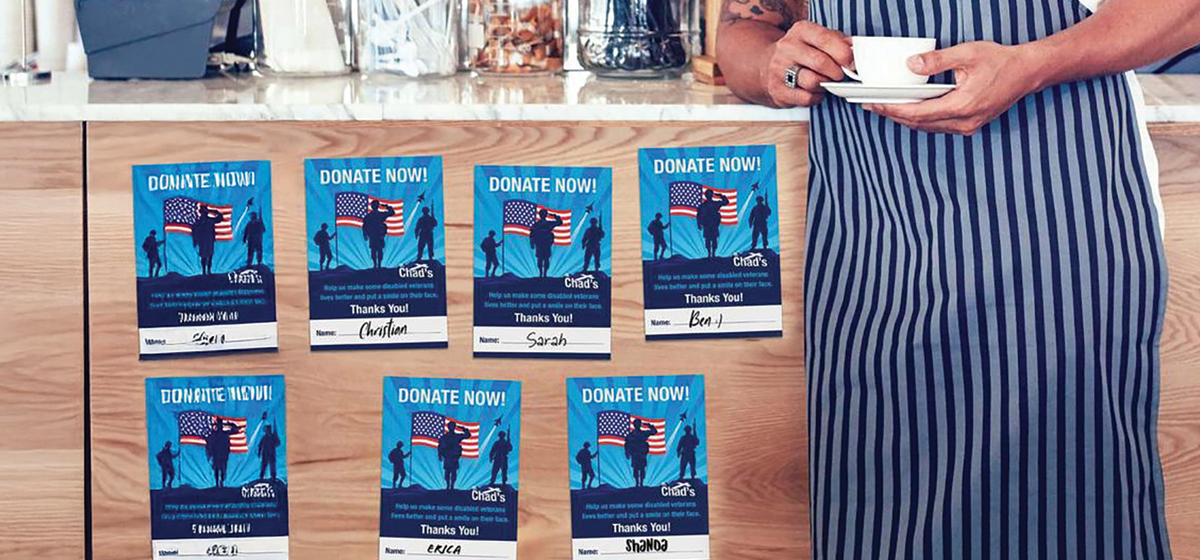
Nonprofits + Fundraising: Storytelling and Donor Experience Matter

Nonprofits must communicate impact clearly and emotionally – and print delivers both.

What they buy:
• Personalized donor mailers
Remittance envelopes
• Event signage
• Storytelling kits
• Thank-you and recognition materials

Your angle:
Speak their language: connection, transparency, stewardship. Personalized print improves response rates and strengthens donor commitment. Include options like FSC-certified stocks or U.S.A.-made products – sustainability matters deeply in this sector.

Nonprofits also operate on seasonal cycles, which creates predictable and repeatable print opportunities for you.

How to Use These Insights to Win More Business

No two verticals buy print for the same reasons – but they all need a partner who can translate challenges into solutions.
Here’s how to start stronger conversations:

  1. Ask about their pressure points (regulations, speed, engagement, localized updates).
  2. Build bundles that match their workflows and budget cycles.
  3. Recommend low-minimum, sustainable, or fast-turn options that reduce waste and increase agility.
  4. Show samples – texture, durability, and quality sell themselves.
  5. Position print as recurring strategy, not a one-off project.

And behind every piece you sell, Navitor is there with nationwide production, low minimums, options for U.S.A.-made products, fast turns, and real humans ready to help you deliver.

Help Your Print and Promo Clients Do More with Less in 2026

As 2025 wraps up, many businesses are bracing for a careful, watch-the-budget start to the new year. Economic uncertainty, tariff chatter, and leaner marketing allocations are making your clients rethink how – and where – they spend.

The silver lining? Moments like these create an opening for the resellers who help customers spend smarter, plan ahead, and make intentional choices. The resellers who step into that role become the ones clients count on – not just for print, but for clarity, direction, and resourceful solutions.

This is where Navitor’s Connected Printer advantage really shows its strength. With thousands of products, nationwide reach, and tools built for your success, you can help clients stretch their dollars without sacrificing quality, branding, or outcomes.

Here’s how you can guide them into a stronger, more focused 2026.

Sell Value, Not Volume

When clients say they’re “cutting back,” they rarely mean, “We’re disappearing from the market.” They mean, “Help us be smarter with what we do.”

This is your cue to pivot the conversation from quantity to quality of impact. Instead of racing toward the lowest line item, focus on:

  • Formats that truly support their goals
  • Targeted, higher-ROI uses of print
  • Accuracy and consistency that prevent costly do-overs

A client might not need 10,000 brochures, but they do need high-quality, digital short-run brochures that land in the right hands. They might not need a full storefront refresh, but a set of updated window decals can still boost curb appeal – without the full renovation price tag.

This isn’t cost-cutting. This is smarter investing. And clients notice the difference.

Focus on High-Margin Essentials Your Clients Always Need

Even in tighter financial seasons, some needs simply don’t go away. These operational essentials keep businesses running – and they keep your margins healthy:

  • Digital short-run business materials
    Business cards, envelopes, stationery, folders, letterhead – stable, repeatable, and essential across industries.
  • Labels & packaging
    From product labels to folded cartons, these reorder often and are increasingly central to branding and customer experience.
  • Signage essentials
    Window graphics, small-format signs, A-frames, floor decals – small investments that deliver outsized visibility, especially for retailers and service providers.
  • Office staples like custom stamps
    Small, quick wins that reinforce your value as a one-stop resource.

With Navitor’s Connected Printer network behind you, you can offer all of this (and far more) without additional overhead, staffing, or equipment. It’s a low-risk way to protect your margins while keeping clients stocked and confident.

Be the Partner Who Helps Clients Stretch Every Dollar

When budgets tighten, clients don’t just want a vendor – they want someone who brings order to the chaos. Someone who sees the big picture and helps them simplify, streamline, and plan ahead.

Here’s where you shine:

• Offer vendor consolidation through you.
With Navitor’s breadth – commercial print, packaging, labels, signage, office essentials, promo – you can save clients time, reduce complexity, and increase your own share of wallet.

• Recommend smart alternatives.
Short-run digital instead of bulk. Multi-use signage instead of single-season pieces. Packaging that doubles as branding. Print on Demand instead of storing surplus.

• Highlight operational savings, not just marketing wins.
Speed, accuracy, fewer reprints, and consistent branding can be just as valuable as campaign results.

This is how you become the partner they keep, even when budget lines get tight: you help protect their resources and guide their decisions – not with discounts, but with insight.

Use Q4 to Build a Smarter 2026 Plan with Your Clients

The end of the year is a natural moment to regroup and refocus. While budgets reset and priorities shift, your clients are planning how to start 2026 strong – and they appreciate partners who help them think proactively.

Here’s your playbook:

  • Review 2025 order histories.
    Spot patterns. Uncover gaps. Identify items they’ll need again.
  • Plan replenishments now.
    Business cards, envelopes, packaging labels, seasonal signage, branded stationery – encourage them to enter 2026 stocked and ready.
  • Refresh your samples and your pitch.
    End-of-year is a good time to update your sample kits, brochures, and sales materials so you enter the new year with credibility and momentum.
  • Tap Navitor’s Connected Printer
    Catalogs, idea books, and seasonal content are already designed to spark conversations, uncover needs, and grow accounts.

Helping clients plan ahead doesn’t just strengthen their year – it strengthens your pipeline.

Looking Ahead: Tight Budgets Create Space for You to Shine

Businesses that thrive during tight-budget cycles aren’t simply cutting costs. They’re choosing partners who help them navigate complexity with confidence.

This is your moment to deliver that clarity.

With Navitor’s Connected Printer capabilities behind you, you can offer more value, more efficiency, and more creative possibilities – without adding expense on your end.

Tight budgets don’t have to shrink your opportunity. They can expand it – and the steps you take with your customers now can set the pace for a stronger, more intentional 2026.

Why Print Still Converts When Budgets Are Tight

When the economy tightens, marketing budgets usually follow. Suddenly, every campaign, every deliverable, every dollar has to defend its place in the plan.

It’s tempting for brands to pull back – to wait things out until “things get better.” But history tells a different story. Companies that keep marketing during downturns don’t just survive; they rebound faster and stronger. The key isn’t spending more. It’s spending smarter.

And that’s where print comes in.

The Case for Print When Every Dollar Counts

When money is tight, accountability becomes everything. Marketers want proof their spend is working – and print has that proof baked in.

Direct mail response rates still outperform digital by several multiples. Research shows that physical print pieces capture attention for longer and drive higher recall. Tangibility builds trust – and trust drives conversion.

Print also plays nicely with digital, connecting QR codes, personalized URLs, and social handles to create measurable, multichannel touchpoints. It’s not about nostalgia. It’s about reliability. When your client needs marketing that keeps working long after the click fades, print delivers.

For resellers, this is the message to lead with: print isn’t a luxury line item – it’s the dependable performer that earns attention, not rents it.

Helping Clients Do More With Less

So how do you help customers keep their brand visible without blowing their budget? Start with a few simple shifts in mindset.

Rethink, Reuse, Refresh

Encourage clients to get more mileage out of what they already have. A strong brand folder design can double as a presentation kit or an information packet. Postcards can be repurposed as event handouts or product inserts. When the creative is timeless, the cost per use drops dramatically.

Print That Works Harder for Longer

When every impression matters, lean into formats that stick around. Branded calendar cards, durable signage, and custom packaging labels don’t just communicate once – they keep working for months. They turn a marketing spend into a brand presence that lingers.

The takeaway? Smart print isn’t about volume. It’s about visibility per dollar.

Stretching Marketing Dollars: Print That Punches Above Its Weight

Budget-friendly doesn’t have to mean boring. Some of the most effective marketing pieces are also the simplest.

  • Brochures and flyers reconnect with existing customers and warm up prospects at a fraction of the cost of digital ads.
  • Labels and custom packaging tape turn everyday shipping into brand storytelling – every box becomes a billboard.
  • Folders and stationery keep a company looking consistent and credible in every client interaction.
  • Decals, table tents, and signage create in-person visibility for local businesses, pop-ups, and retailers where foot traffic matters most.

Each of these products helps brands stay front and center – cost-effectively and creatively. They’re the kind of solutions that stretch a marketing budget without stretching a brand too thin.

The Partnership Factor: Why Who You Print With Matters

Even the smartest campaign can fall apart without the right production partner. In uncertain markets, reliability and support matter as much as price.

That’s where Navitor’s role as The Connected Printer comes into focus. We help you keep your clients’ marketing moving – efficiently, profitably, and with fewer surprises. From nationwide production to online tools and dedicated support, we’re built for business continuity.

Because when your customers are watching every dollar, you need a partner who understands that every deadline, every detail, and every relationship matters. Stability is its own kind of ROI.

The Bottom Line

Downturns come and go. The relationships kept and the visibility that brands maintain are what carry businesses forward.

Print gives you both. It connects brands to customers in a way that feels personal, credible, and lasting – something no algorithm can replicate.

So when budgets get lean, don’t pull back. Print smarter. The brands that stay visible now are the ones everyone remembers later.


Explore print products that keep brands relevant and budgets in check at Navitor.com.