Help customers strengthen the experience around the product – from the label and bag to the insert and shipment.
A product may be the reason someone buys, but it’s not the only thing they experience. Before they use it, they notice how it’s labeled, bagged, tagged, delivered, and what comes along with it. Each of those details is another chance to make the brand feel more consistent, useful, and intentional.
For print resellers and distributors, that means more places to bring ideas, solve needs, and uncover opportunities inside accounts you already serve. Many opportunities live on, around, inside, and traveling with the product – Labels, Hang Tags, Favor Bags, branded tape, shipping envelopes, printed inserts, and more.
Consumers notice these details, too. According to Ryder’s 2025 E-Commerce Consumer Study, 52% of respondents said a premium unboxing experience makes a brand seem more upscale, while 46% said it makes them more excited to open the package.
For you, that creates a useful question to take into existing accounts: What else could we brand around the product?
THE OPPORTUNITY: Think beyond the individual product. How is it labeled, presented, packaged, shipped and received? Each answer can reveal another way to help.
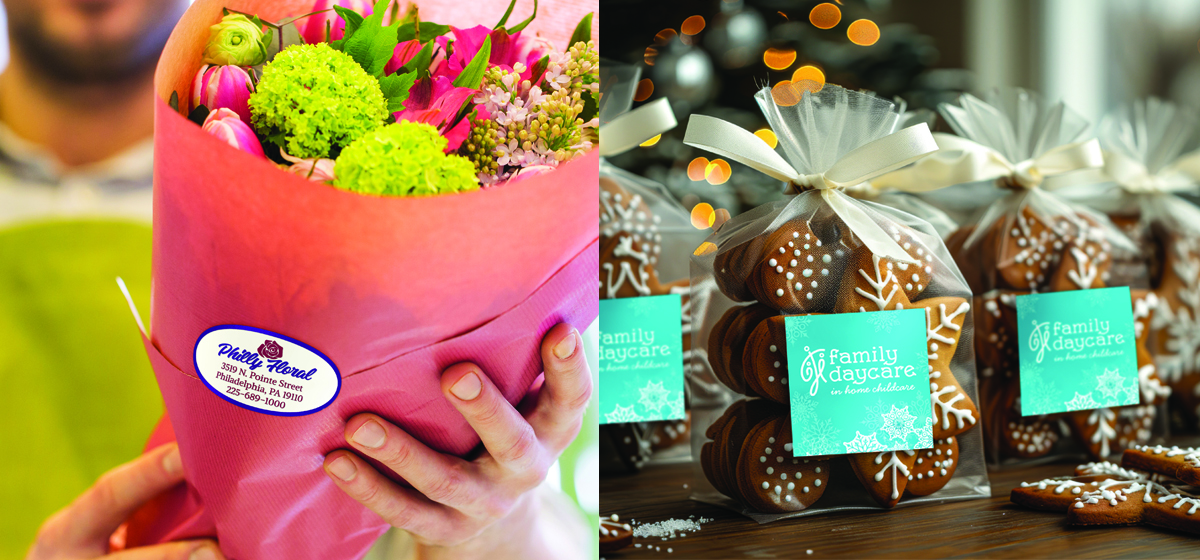
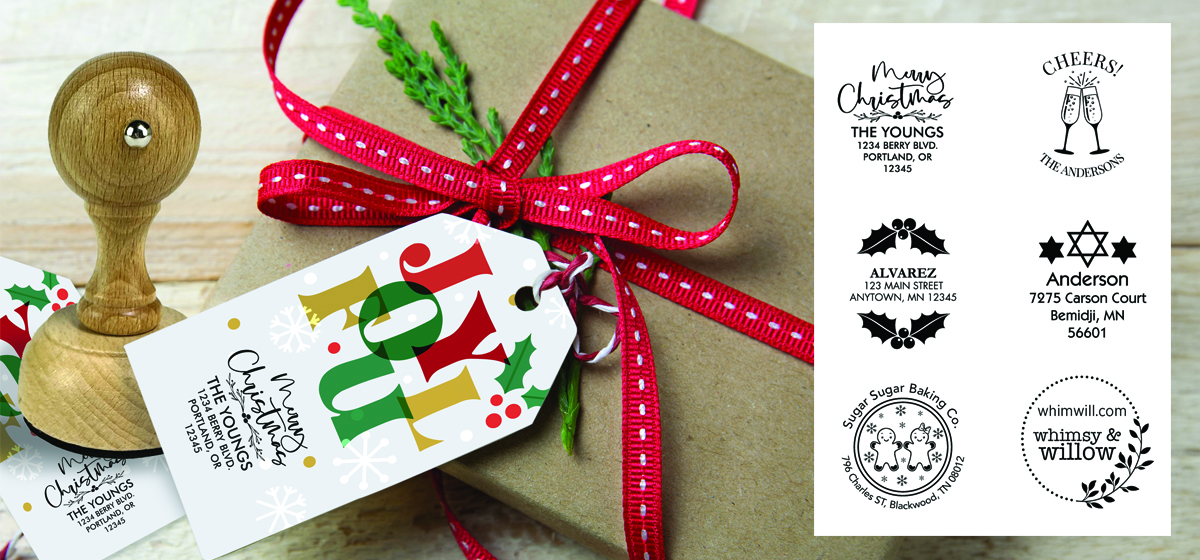
Start where the brand meets the product: Custom Labels
For many customers, the most direct packaging opportunity is also one of the most versatile: the label.
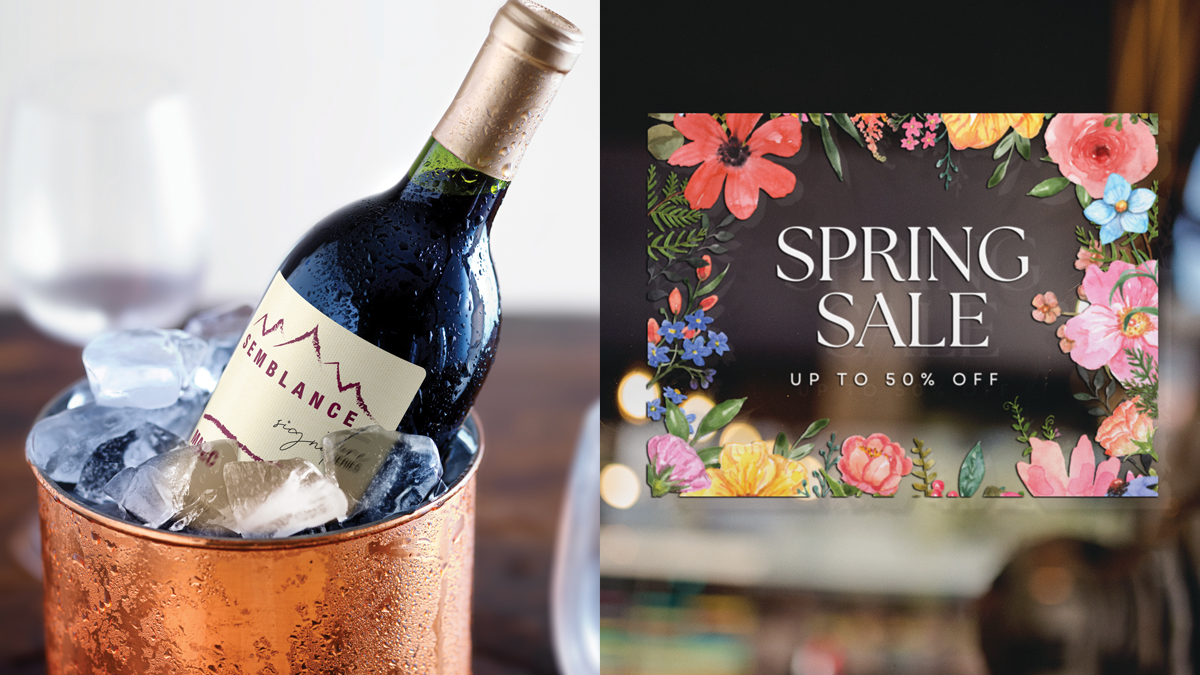
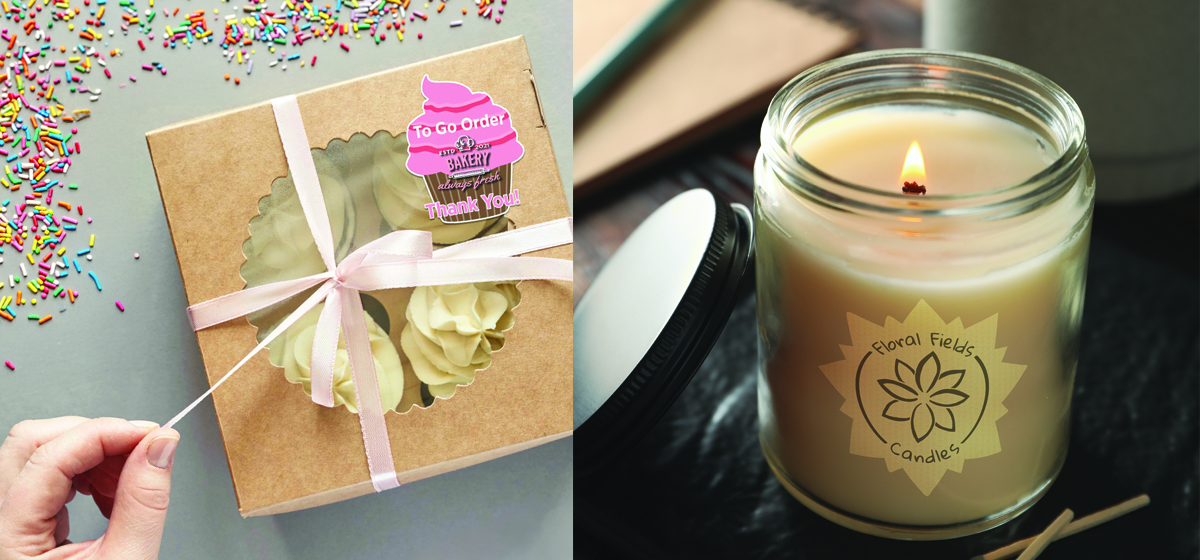
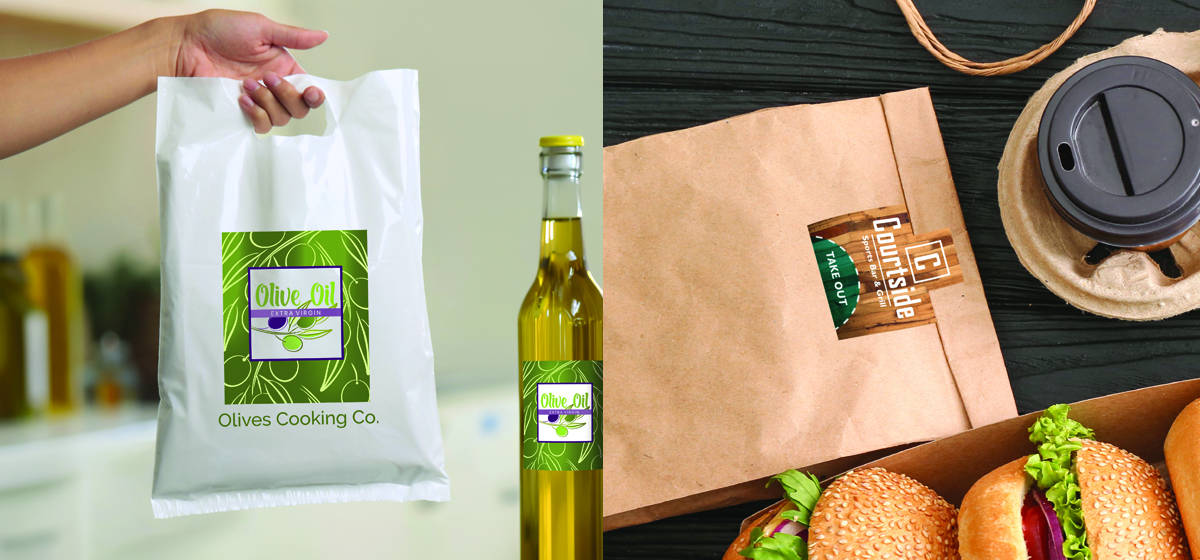
Labels can identify a product, carry required or useful information, reinforce visual identity, seal tissue or packaging, or add a finishing detail to bottles, jars, boxes, bags, and other surfaces.
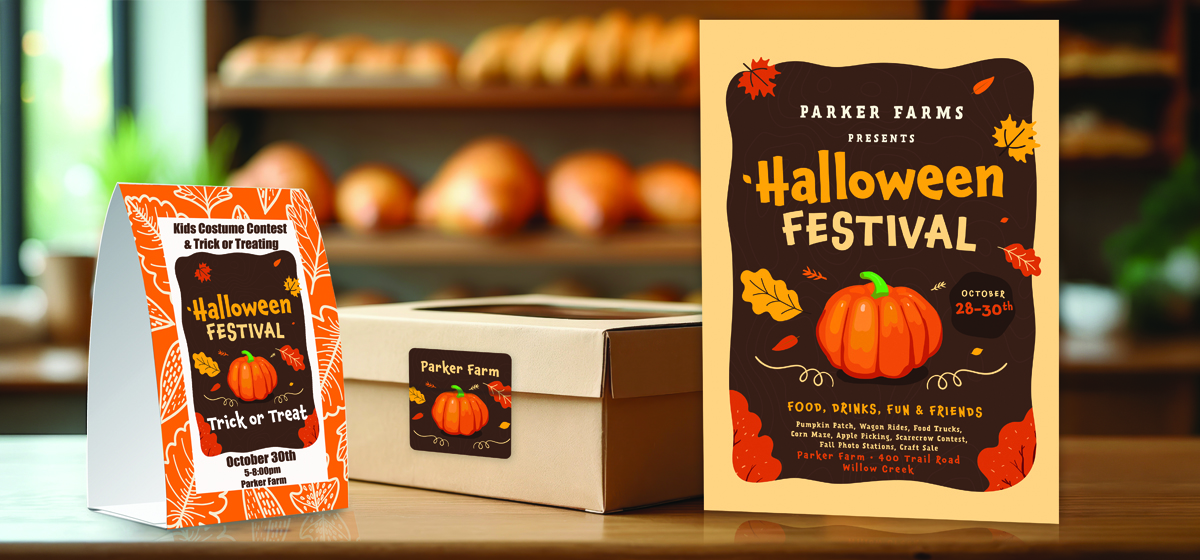
When the customer wants something more distinctive, Label Works’ freeform™ Labels offer a competitive advantage worth bringing into the conversation. Customers can create labels in nearly any shape without the cost of custom dies or tooling, with quantities starting at 100. That makes them a practical option for short-run product packaging, new launches, seasonal varieties, specialty products, and smaller brands that want more flexibility.
You don’t need to wait for a customer to ask for a custom-shaped label. A better question might be: Does the label need to follow the shape of the logo, product, or package?
| WHEN THE LABEL JOB GETS SPECIFIC: Custom shape? Short run? Specialty packaging application? Those details can lead to a solution the customer may not know is available – and give you another reason to be the resource they call first. |
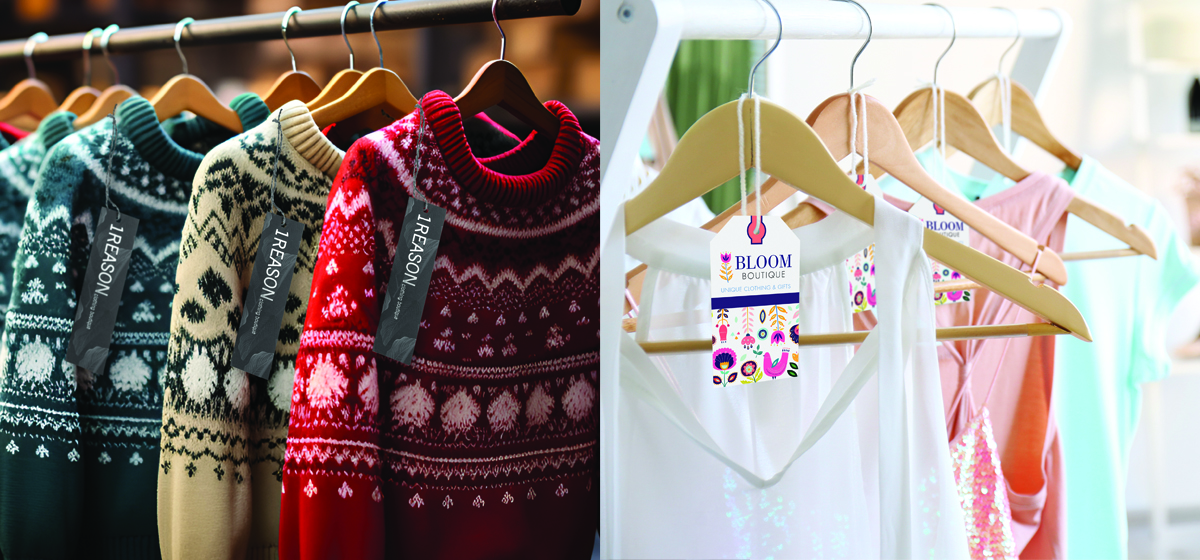
Add the finishing details customers can see and use
Custom Hang Tags can add pricing, product details, care instructions, features, a story, or a short message without crowding the primary label or product. They work especially well for apparel, gifts, retail merchandise, handmade goods, and other items where the tag becomes part of the presentation.
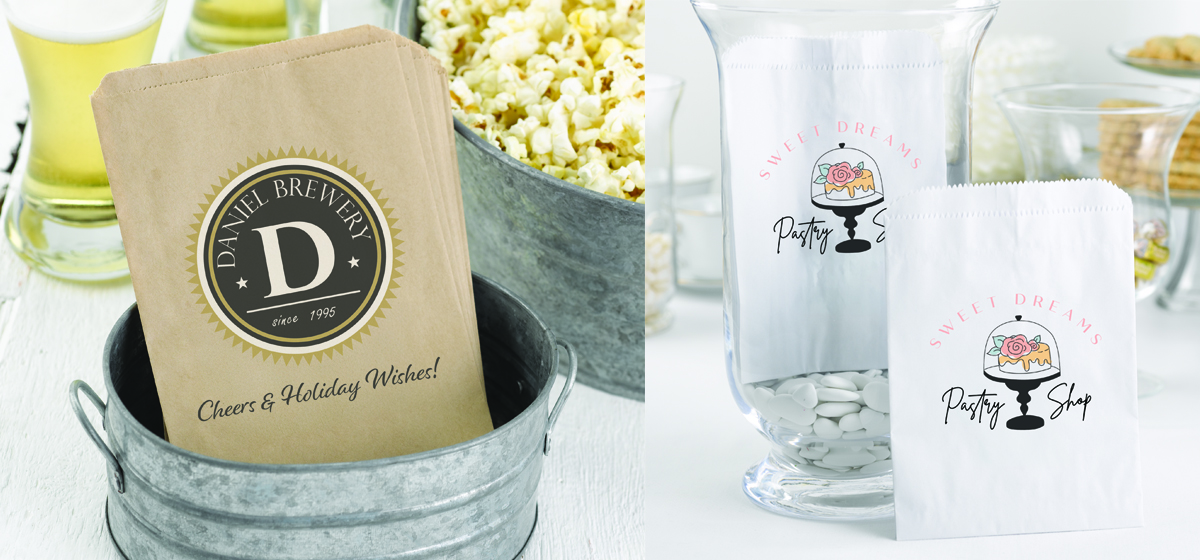
Favor Bags offer another simple way to carry branding into the handoff. Printed in full color and available in quantities as low as 50, they can package party favors, event giveaways, small retail purchases, product samples, gifts, or treats. For a launch, event, boutique, or hospitality program, the bag itself becomes part of what the customer receives.
Neither product has to be elaborate to make the experience feel considered. Sometimes the value is simply making sure the brand doesn’t disappear at the point of purchase or handoff.
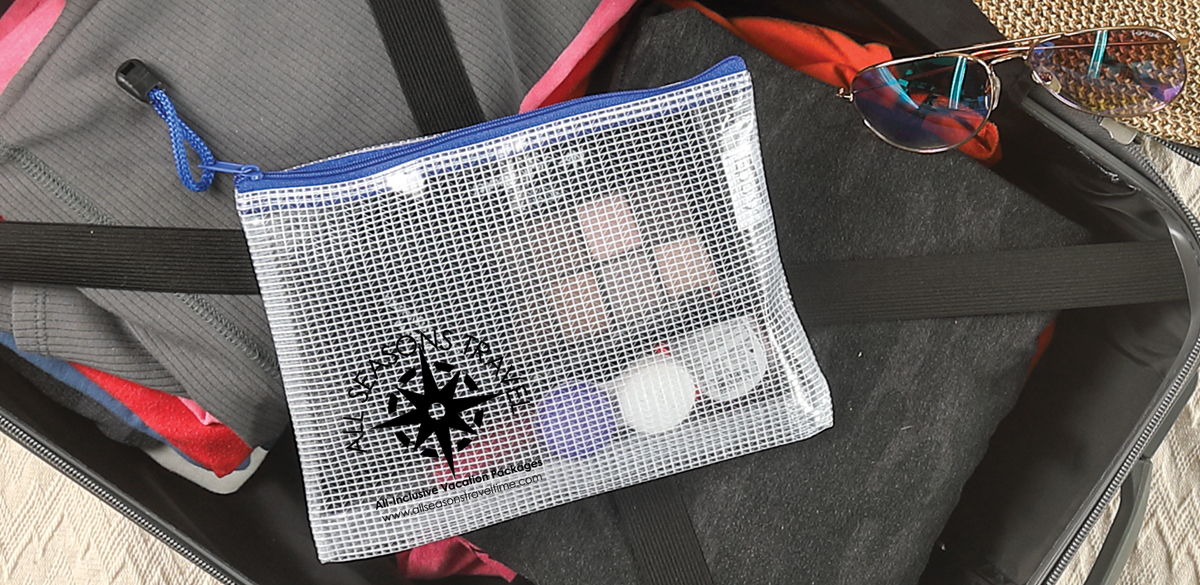
Give the package a life beyond the delivery
Some packaging earns extra value when the customer keeps using it. Epoly® PolyWeave® Zip Bags bring durability to the conversation with strong PolyWeave® material and zipper closures. Options include a medium/document-size zip bag and a TSA quart-size zip bag.
That opens up applications beyond a one-time package: document kits, onboarding materials, travel accessories, event kits, samples, product sets, instruction materials, and other items that benefit from organization and protection.
For you, the selling idea is simple: if the customer is already putting several items together, could the container itself become part of the branded solution?
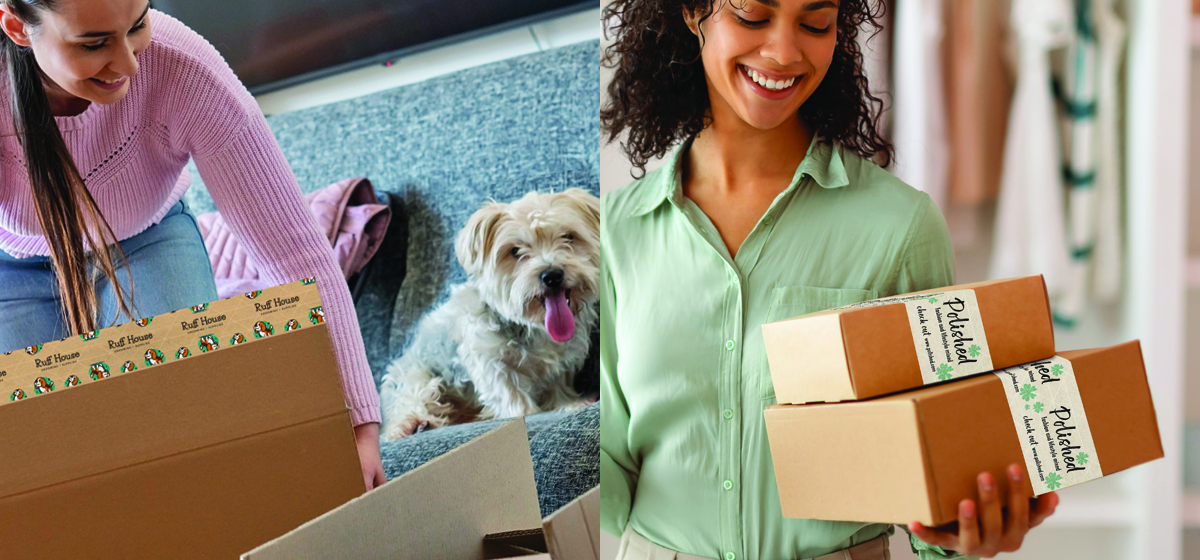
Carry the brand through the trip to the customer
For ecommerce sellers and businesses that ship directly to customers, the delivery package creates another set of touchpoints.
Custom Shipping Envelopes combine protection with visible branding. Full-color or spot-color printing can keep a logo, design, or message present from the moment the shipment arrives.
Water-Activated Packaging Tape turns another purely functional item into branded real estate. The reinforced tape creates a strong, tamper-evident seal while carrying a logo or message across the shipping carton.
The shipping container itself may be standard. The experience doesn’t have to be.
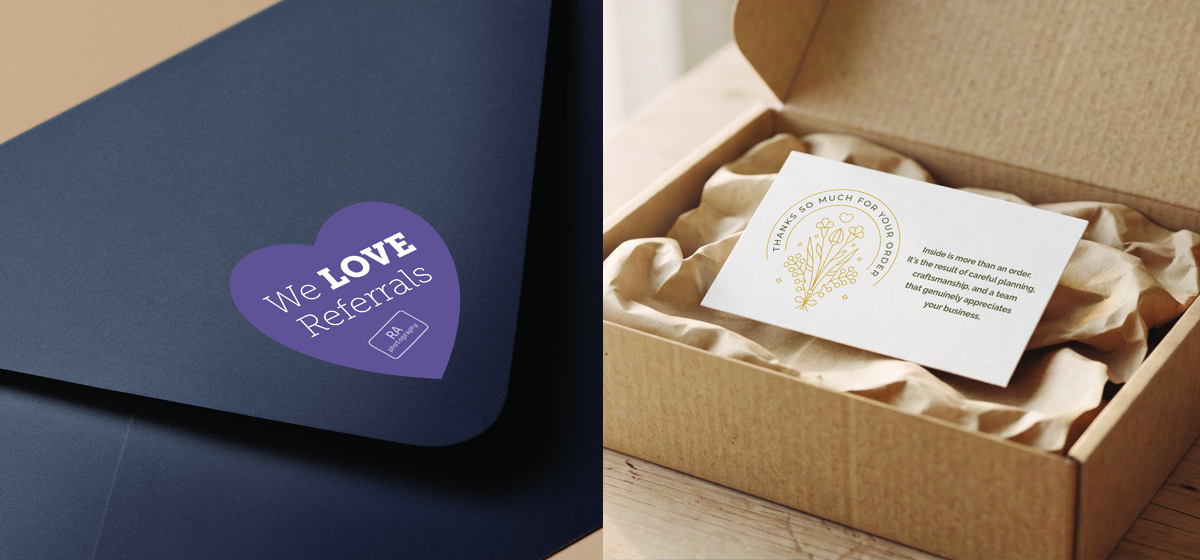
Don’t waste the space inside: Printed package inserts
One of the easiest packaging opportunities may not look like packaging at all. Standard printed pieces can do double duty as package inserts, giving customers another way to communicate after the sale.
Depending on the message and available space, consider:
- Business Cards for a compact thank-you card, referral prompt, support contact, or QR code.
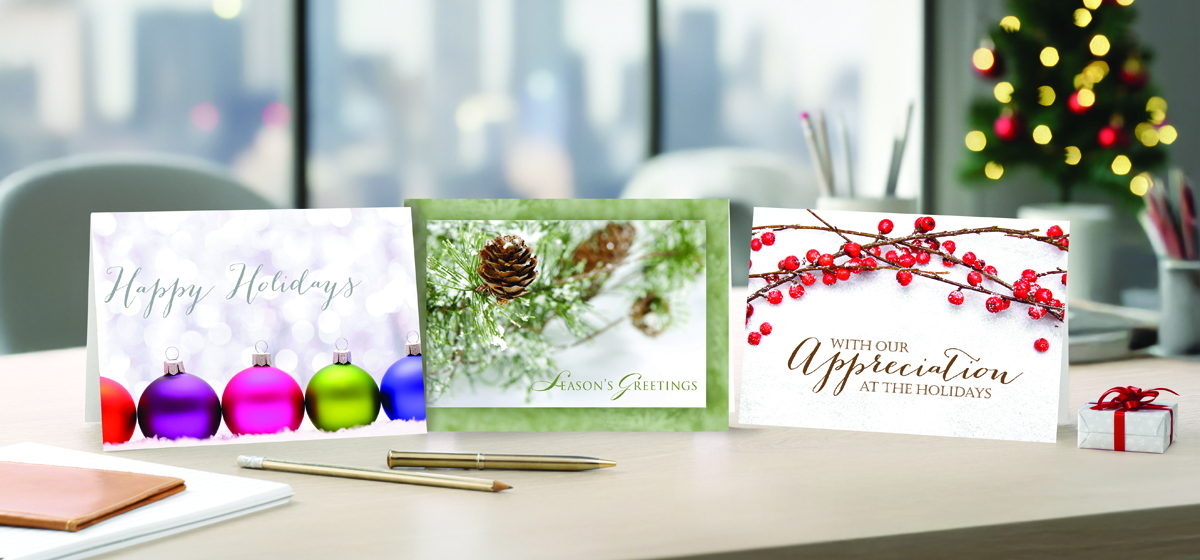
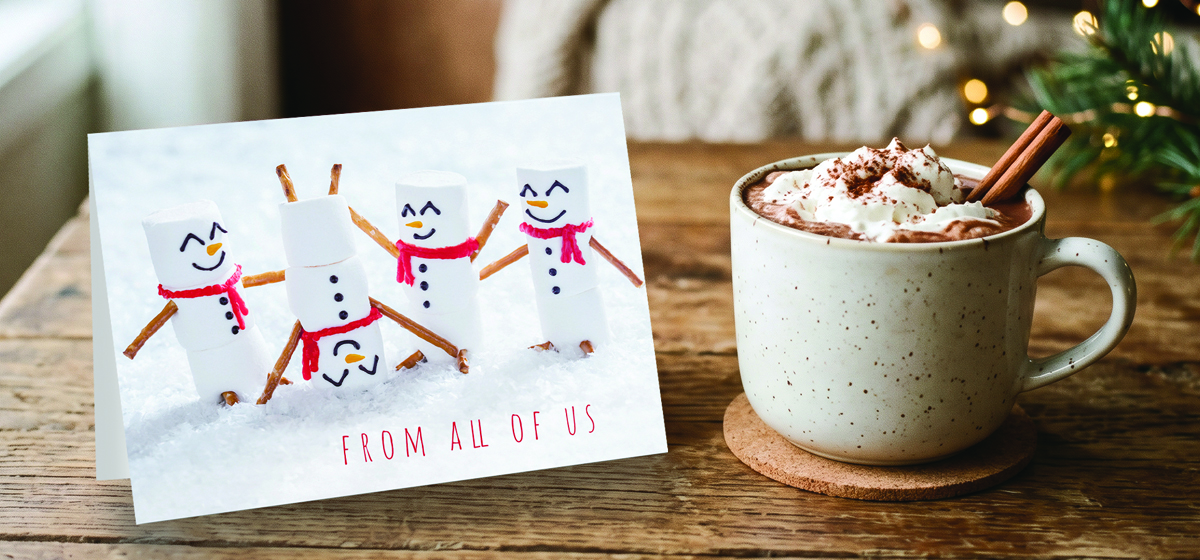
- Postcards for a thank-you message, reorder reminder, related-product offer, loyalty message, or next-purchase incentive.
- Flyers when customers need more room for instructions, product care, setup information, a how-to, a product story, or complementary recommendations.
An insert can answer a question, make the product easier to use, encourage a second purchase, or simply say thank you. It can also connect the physical delivery to digital content through a QR code leading to instructions, registration, support, social content, or another next step.
THINK INSIDE THE PACKAGE: The best insert doesn’t add clutter. It gives the recipient a useful reason to keep reading – information, appreciation, an offer, a next step, or help getting more value from the purchase
Listen for the opportunity hiding in the conversation
Customers may never say, “I need more branded product touchpoints.” They’re more likely to say:
- “We’re launching a new product.”
- “We just started selling online.”
- “We’re rebranding.”
- “We need packaging for samples or giveaways.”
- “We’re putting together kits.”
- “We want the packaging to feel more unique, but we don’t need huge quantities.”
- “Customers keep asking the same question after they receive the product.”
- “We want to encourage reorders or referrals.”
- “We’re shipping directly to customers now.”
Those comments are signals. Follow them with questions: How is the product labeled? What goes with it? How is it handed out or shipped? Is anything included inside? What does the recipient see first? What do they need to know next?
That’s how a packaging conversation becomes a broader customer-experience conversation – and how you can uncover needs the customer may not have thought to bring to them.
Why these touchpoints deserve a place in your sales conversations
For distributors, the opportunity isn’t simply adding more products to an order. It’s seeing more of the customer’s business.
Many of these products also lend themselves to repeat business. Labels get used. Tape leaves with shipments. Inserts go into every order. Bags and tags move with products and events. As customers grow, launch new items, or change campaigns, those needs change with them.
And one need can reveal the next. A customer asking for a product label may need a custom shape. A boutique ordering Hang Tags may need Favor Bags. An ecommerce seller may need Packaging Tape, Die Cut Handle Plastic Bags, or Shipping Envelopes. A team assembling kits may benefit from a branded PolyWeave® Zip Bag plus printed instructions inside.
That’s the larger opportunity: becoming the resource who thinks about the full experience around the product, not just the individual piece the customer happened to request.
| TRUSTED RESOURCE TIP: Don’t wait for customers to know which print product they need. Ask what they are selling, shipping, gifting, handing out, or putting inside the package. The opportunity often starts there. |
Look beyond the package itself
A branded customer experience doesn’t depend on one big packaging component. Often, it’s the combination of smaller details that makes everything feel connected.
A label on the product. A tag with useful information. A bag for the handoff. A durable zip case that keeps serving a purpose. A shipping envelope or a box with branded tape on the way to the customer. A thoughtful insert waiting inside.
Every one of those touchpoints is a reason to ask another question, uncover another need, and bring another useful idea to the account.
So the next time a customer talks about a product, launch, shipment, event, or kit, look beyond what holds it.
Ask what travels with it.
Ready to find more branded touchpoints inside your customer accounts?