Vertical Bundle Playbooks

Starter → Growth bundles that build stickier accounts

Vertical bundling works because it matches how customers actually buy: operational print drives reorders, and visual print protects margin. The best bundles combine both.

Use this structure:

  • Starter bundle – easiest first win with the least friction
  • Growth bundle – higher value, more repeatable, more standardized

Below are playbooks you can use in real sales conversations.

Healthcare (clinics, dental, labs, vets, care facilities)

Best margin plays: labels; signs and banners; checks and forms (where applicable)

Strongest reorder engines: labels, envelopes, forms, appointment cards

Starter bundle
Labels by use case + envelopes + core patient-facing marketing materials

Growth bundle
Label program by use case + compliance forms set + wayfinding/signage refresh cycle + stamps and daters for approvals

Why it works
Healthcare buys for compliance and workflow – once you’re in the workflow, reorders follow.

Financial Services (banks, credit unions, insurance, wealth)

Best margin plays: checks and forms; folders; security envelopes

Strongest reorder engines: envelopes; forms; marketing materials

Starter bundle
Security envelopes + core marketing materials (direct mail, brochures)

Growth bundle
Secure forms and checks program + onboarding/presentation folders + campaign versioning (branch-specific or segment-specific)

Why it works
Recurring communications + control needs = less price shopping, better standardization, better margin protection.

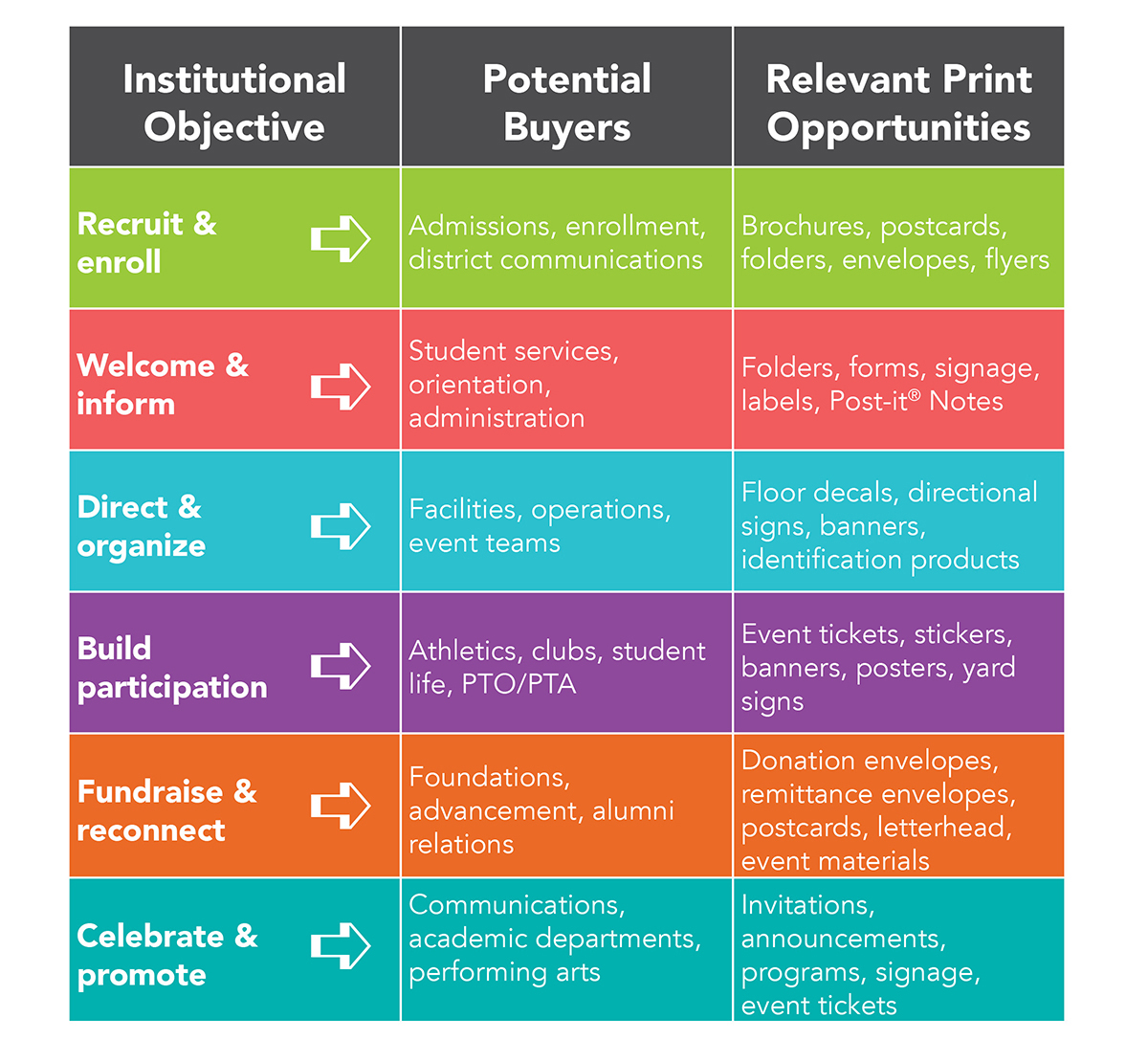
Education (K–12, higher ed, continuing ed)

Best margin plays: signs and banners; folders; labels (asset and ID)

Strongest reorder engines: envelopes; marketing materials; seasonal signage

Starter bundle
Enrollment and open house kit – folders + brochures and postcards

Growth bundle
Campus signage and wayfinding program + department-branded campaign sets + asset labels

Why it works
Education has predictable cycles – enrollment, events, athletics, fundraising – and cycles create repeat.

Government & Municipalities

Best margin plays: signs and banners; checks and forms; envelopes

Strongest reorder engines: envelopes; forms; signage updates

Starter bundle
Standard forms + envelopes for notices and mailings

Growth bundle
Signage program (public notices, facilities, events) + versioned communication templates + stamps and daters for approvals

Why it works
Buying is process-driven. Standard templates and recurring notices create repeatable work.

Retail (multi-location, local retail, franchises)

Best margin plays: signs and banners; labels

Strongest reorder engines: labels; seasonal signage; marketing materials

Starter bundle
Seasonal campaign kit – window decals and signage + offer cards

Growth bundle
Label system for product lines + quarterly signage refresh + store-by-store campaign versioning

Why it works
Retail refreshes constantly. Labels replenish; signage repeats on cadence.

E-commerce & Fulfillment Brands

Best margin plays: labels; envelopes

Strongest reorder engines: labels; envelopes; forms (packing slips and returns)

Starter bundle
Shipping labels + branded packing inserts

Growth bundle
Full packaging system – labels + packaging tape/marking + return labels + versioned inserts + warehouse process stamps and daters

Why it works
Consumption-based print. Orders repeat because shipping repeats. Bundles tie brand and operations together.

Real Estate (brokerages, agents, property managers)

Best margin plays: signs and banners; folders

Strongest reorder engines: signs; marketing materials; business cards

Starter bundle
Agent launch kit – business cards + listing flyers and postcards

Growth bundle
Yard sign and open house system + presentation folders + campaign mailing cadence

Why it works
Buying is listing-driven and time-sensitive. A cadence turns one-off into a monthly rhythm.

Manufacturing and Logistics (process, industrial, CPG, carriers, brokers)

Manufacturing
Starter: compliance and QC kit – stamps and daters + core forms

Growth: production labeling system + inspection signage + controlled-document forms + reorder schedule


Logistics & Warehousing
Starter: receiving kit – “received” stamps and daters + core labels

Growth: warehouse labeling and signage system + standardized forms + replenishment plan by location

Make bundles stickier with ordering controls

The best bundles get even stickier when you add company eStores, integrations, and Print on Demand-style replenishment to make repeat ordering effortless.

Pick one vertical you already sell into. Launch one starter bundle this week. Book the growth bundle conversation at the same time – while the buyer is already thinking in systems, not single items.

Want the full breakdown?

Get the complete Industries, Margin Potential, and Reorder Behavior in Print report for the full industry-by-product map, margin rankings, reorder insights, and vertical bundle playbooks – designed to help you prioritize what to sell first, what to do next, and what has the most potential to turn into repeatable programs.


How to Create Reorder Engines

Frequency vs volume – and why you want both

Repeat revenue doesn’t come from luck. It comes from choosing print categories that naturally come back around – then giving customers a reason (and a simple path) to reorder without starting from scratch every time.

Here’s the useful distinction:

Reorder frequency is how often customers return.
Unit volume is how big the typical order is when they do.

Both matter, because you sell them differently. Frequency keeps your pipeline steady. Volume makes your month.

The four scenarios that drive repeat purchasing

Most repeat orders show up because of one of these patterns:

  • Consumption-based products (they get used up and need replenishing)
  • Fast-changing content (SKUs change, seasons change, compliance changes)
  • Operational dependency (the workflow relies on it)
  • Programmatic marketing (recurring campaigns, multi-location needs)

If you can connect a product to one of those, you can build a reorder engine around it – meaning the next order feels less like “starting over” and more like “running the play.”

Reorder frequency ranking (most repeat to least repeat)

Here’s the cheat sheet: which categories come back most often (and why).

  1. Labels – ongoing consumption + frequent changes (new SKUs, seasonal versions, compliance updates, launches, packaging refreshes)
  2. Envelopes – steady replenishment for shipping, billing, notices, fundraising, recurring communications
  3. Checks & Forms – replenishment where still used + periodic security refresh needs and governance controls
  4. Marketing Materials – high repeat when positioned as a program (campaigns, events, monthly direct mail, multi-location refreshes)
  5. Signs & Banners – tends to repeat in cycles and projects (events, seasonal resets, compliance and wayfinding updates)
  6. Business Cards – repeat tied to staffing changes and rebrands
  7. Stamps & Daters – often one-time per role/process, then occasional adds/updates
  8. Folders – event-driven unless standardized into onboarding/sales kit programs

A quick way to use this list: if the product gets consumed, changes often, or props up a daily workflow, you’re not “hoping” for a reorder. You’re building for one.

 Typical unit volume ranking (highest units per order to lowest)

This is where a lot of resellers get tripped up: some categories don’t reorder constantly, but when they do, the ticket is strong.

  • Labels – often ordered in large quantities because they’re consumed continuously and applied per unit, per shipment, or per SKU
  • Envelopes – often ordered in the thousands for mailing programs, shipping operations, recurring communications
  • Checks & Forms – frequently ordered by the box, case, or continuous runs
  • Marketing Materials – wide range; often 500 to tens of thousands depending on campaign and distribution model
  • Business Cards – batches per employee/location; sometimes consolidated across teams
  • Signs & Banners – lower unit counts but higher ticket per piece
  • Folders – hundreds to low thousands unless part of a standardized program
  • Stamps & Daters – low unit counts per order

If you only chase high-frequency categories, you can end up busy but underpaid. If you only chase big-ticket categories, you can end up with gaps. The goal is a mix that keeps orders coming in and margins healthy.

How to build the engine (a simple reseller playbook)

  1. Lead with an operational item (repeat orders)
    Labels, envelopes, forms, stamps and daters are easier to justify because they support daily operations. The “yes” tends to come faster because the customer already needs them to function.
  2. Turn one order into a program
    Instead of selling a one-off job, sell the cadence: a refresh cycle, a quarterly kit, a multi-location standard, or a versioned set. You’re not adding complexity – you’re adding predictability. When possible, align follow-up outreach to the customer’s likely reorder cycle so they can replenish before the order turns urgent.
  3. Sell the system, not the piece
    Margin improves when you specify materials, finishes, security needs, governance, and the reordering process. Customers don’t just buy print – they buy fewer mistakes, fewer back-and-forth emails, and less scrambling the next time.
  4. Stay ahead of the reorder
    If a customer tends to reorder every 30, 60, or 90 days, build that timing into your outreach plan. A quick check-in before they run low helps prevent last-minute “ASAP” orders, keeps the process smoother for both sides, and reinforces your value as a proactive partner.
  5. Make reordering super easy for larger accounts
    Company eStores centralize approved items and simplify reordering, which drives repeat orders and helps protect margin. When reordering is simple, customers reorder more – and they’re less tempted to price-shop every single time.

If you want one category to start with: labels and envelopes are the most consistent engines because they’re consumed and replenished.

Want the full breakdown?

Get the complete Industries, Margin Potential, and Reorder Behavior in Print report for the full industry-by-product map, margin rankings, reorder insights, and vertical bundle playbooks – designed to help you prioritize what to sell first, what to do next, and what has the most potential to turn into repeatable programs.


Why Some Print Categories Hold Margin (and How to Sell Them That Way)

Margin doesn’t come from a product. It comes from the conditions around it.

Most low-margin deals share a common trait: the customer can compare your quote to a dozen others in about 30 seconds.

Higher-margin categories tend to hold margin because there are more variables, more advisor value, and more ways to build a managed system around the purchase.

The five conditions that typically create higher reseller margin

Higher margin usually shows up when one or more of these are true:

  • The item is harder to compare across suppliers (less price transparency)
  • The job includes complexity (materials, finishing, compliance, installation)
  • The reseller adds management value (proofing, kitting, versioning, logistics)
  • Turnaround speed matters (customers pay for urgency)
  • The product is operationally critical (downtime or errors have real cost)

That list is the real product. Your job is to sell those conditions on purpose.

Margin ranking (highest to lowest) – and what to sell instead of “the item”

1. Signs & Banners
Why they hold margin: perceived value + variables like substrates, finishing, compliance needs, deadlines, sometimes installation – which reduces apples-to-apples comparisons and rewards expertise.

Sell the system: “signage standards + refresh cycles + rollout by location.”

2. Labels
Why they hold margin: packaging-like complexity – material and adhesive selection, durability, regulatory requirements, SKU versioning, short-run campaigns, frequent refresh cycles. Advisory selling protects margin.

Sell the system: “label architecture by SKU + change management + reorder rules.”

3. Stamps & Daters
Why they hold margin: low cost of goods relative to daily operational value, less price shopping, strong bundling potential with forms and workflows.

Sell the system: “workflow control kit – receiving, approvals, QA.”

4. Checks & Forms
Why they hold margin: security features and fraud-prevention needs create defensible value; margin improves when positioned around controls, compatibility, and governance.

Sell the system: “secure issuance program – standards, controls, replenishment.”

5. Folders
Why they hold margin: basic folders get shopped, but margin rises with finishing and structure (custom pockets, die-cuts, specialty stocks, inserts, personalization, enhancements). Best play is a presentation system, not a folder.

Sell the system: “value add – version, print, embellish, ship, repeat.”

6. Envelopes
Why they hold margin: plain envelopes are competitive; margin improves with specialty features like custom sizing, windows, security tinting, variable data, and fast-turn mailing requirements.

Sell the system: “mail and notice programs – templates, data, timing.”

7. Marketing Materials
Why they hold margin: commodity pieces are price-sensitive; margin improves with services like versioning, variable data, versatile formats, portal ordering, bundled campaign management.

Sell the system: “campaign program – version sets + ordering controls.”

8. Business Cards
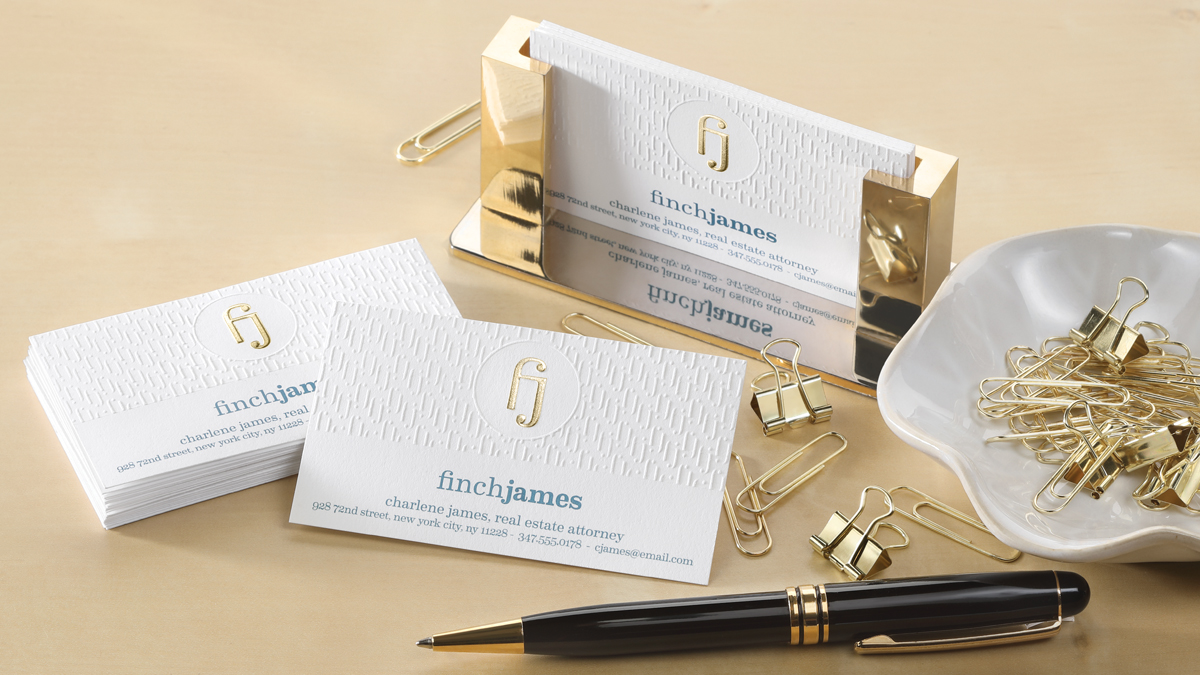
Why they hold margin: highly commoditized; margin is protected by premium construction, color consistency, premium finishes, multi-employee kits, identity-system bundles.

Sell the system: “brand identity rollout – onboarding kits + consistency.”

Print That Runs Itself

Tech and integration is the “system layer” that makes print harder to replace and easier to keep buying. When a customer orders through an integrated eStore or Print on Demand workflow, you’re no longer just fulfilling a job – you’re helping them control a process: approved templates, correct specs, role-based access, location-level versioning, and a repeatable reorder path. That reduces errors, cuts back-and-forth, and keeps brand and compliance standards consistent across teams and locations.

It also makes the account stickier because switching vendors means rebuilding the entire ordering ecosystem, not just re-quoting a product. From a margin standpoint, integrated ordering supports higher-value services that customers will pay for: setup and onboarding, template governance, version management, kitting/fulfillment rules, and ongoing program maintenance – while the steady reorder flow improves operational efficiency and reduces time spent on low-value quote churn.

Say “YES” to More Print Work

The practical takeaway

If you sell “a sign,” you’ll get shopped. If you sell “the signage program” (standards, refresh cycles, rollouts, controls), price becomes less of the conversation. That same pattern applies across every category.

Looking for an easy margin move? Pick one category you already sell and add one “system layer” this month: versioning, kitting, ordering controls, or a refresh cadence.

Want the full breakdown?

Get the complete Industries, Margin Potential, and Reorder Behavior in Print report for the full industry-by-product map, margin rankings, reorder insights, and vertical bundle playbooks – designed to help you prioritize what to sell first, what to do next, and what has the most potential to turn into repeatable programs.


Who Buys What in Print – A Practical Industry Map for Resellers

The fastest way to sell print is to stop guessing who buys what

Are you selling print as a single solution set across multiple industries? You might be making your life harder than it needs to be. Different industries buy different categories for different reasons – and when you match the product to the industry’s buying trigger, the conversation gets simpler and the close rate goes up.

Below is a reference map of who buys the core categories most often, what typically prompts the purchase, and the best way to position it in the sale.

Business Cards – bought by relationship-driven industries

Primary buying industries
Real estate; financial services; creative services

Other common buyers
Professional services (legal, consulting, insurance); healthcare practices; home services; hospitality; construction trades

Typical triggers
New hires and role changes; team growth; brand refresh; events and networking; multi-location standardization

How to sell them
Lead with staffing churn and team growth. Then attach an “identity kit” mindset (new hire packs, multi-location consistency, role-based versions).

Envelopes – bought by operations-heavy industries

Primary buying industries
E-commerce and retail; logistics and shipping; healthcare

Other common buyers
Banking and financial services; insurance; education; government and public sector; legal services; utilities and telecom; nonprofits

Typical triggers
Shipping and returns; statements and notices; donor mail; compliance mailings; the need for custom windows, security tinting, and variable data addressing.

How to sell them
Ask one operational question: “What do you send every week?” If they answer anything recurring (bills, notices, returns), you’re in reorder territory.

Marketing Materials (brochures, postcards, flyers, door hangers, etc.) – bought by industries that market programs

Primary buying industries
Banking and financial services; education; government; healthcare; retail and e-commerce

Other common buyers
Hospitality; real estate; nonprofits; events; B2B manufacturing and distributors

Typical triggers
Campaigns and promotions; recruitment and enrollment; awareness and fundraising; service line marketing; store and location marketing; trade shows

How to sell them
Don’t sell “a brochure.” Sell a campaign cadence (monthly, quarterly, seasonal) with versioning by location, audience, or offer.

Folders – bought when they need to look organized fast

Primary buying industries
Real estate; education; finance; healthcare; corporate organizations

Other common buyers
Legal firms; insurance agencies; local government offices; nonprofits/associations; manufacturers; hospitality/event venues; construction; auto dealerships

Typical triggers
Proposals and sales presentations; enrollment/admissions packets; patient intake and financial packets; conference handouts; leave-behind kits; training/events; onboarding and new employee kits

How to sell them
Position as a “packet system” (folder + inserts + versioning), not a standalone product.

Labels – bought by industries with inventory, compliance, and packaging realities

Primary buying industries
Food and beverage; retail; pharmaceuticals

Other common buyers
Logistics and warehousing; consumer packaged goods; industrial and chemical; health and beauty

Typical triggers
Packaging and branding; compliance labeling; ingredients and warnings; SKU expansion and versioning; short-run campaigns; inventory and warehouse identification; anti-counterfeit and track-and-trace

How to sell them
Win one label use case (shipping, product, compliance, warehouse), then expand into a labeled “system” across SKUs and locations.

Signs & Banners – bought by industries that change environments

Primary buying industries
Retail; real estate; transportation

Other common buyers
Hospitality; entertainment; healthcare; banking and financial services; education; government and public sector; construction and trades; manufacturing

Typical triggers
Promotions and seasonal campaigns; events and pop-ups; grand openings; regulatory and wayfinding signage; brand refreshes; site and job signage

How to sell them
Ask what changes by season, event, location, or regulation. That’s where signage refresh cycles come from.

Stamps & Daters – bought by process-driven industries

Primary buying industries
Healthcare and medical device; manufacturing and industrial; legal services and notary

Other common buyers
Warehousing and logistics; government and public sector; financial services; food and beverage; construction and building services; education; retail

Typical triggers
Receiving and processing workflows; approvals and document control; QA and compliance; date tracking; standardization across departments

How to sell them
Tie to workflow control: fewer errors, faster processing, cleaner compliance.

Checks & Forms – bought where controls and documentation matter

Primary buying industries
Banking and financial services; government operations; healthcare; logistics

Other common buyers
Employers running payroll; title and mortgage/closing; any organization issuing payments and requiring controls

Typical triggers
Payment issuance; payroll; secure forms and internal controls; multi-location ordering; compliance documentation; process consistency

How to sell them
Lead with governance and compatibility, not “printing.” (More on that in our next blog in the series “Why Some Print Categories Hold Margin and How to Sell Them That Way”.)

The shortcut: focus on the biggest demand clusters

Most print demand comes from a handful of industries: healthcare, financial services, government, education, retail, real estate, logistics, and e-commerce. A straight-forward rule: these industries buy print primarily for two reasons – marketing impact and operations. When you hear “operations,” think labels, envelopes, forms, stamps. When you hear “impact,” think signage and campaign materials.

If you want the simplest way to apply this industry map, use a two-step plan: land a “first win” that’s easy to justify, then attach the most natural add-on while the buyer is already in motion. The goal is not to sell more stuff. It’s to sell a cleaner system that makes their day easier. Here are examples:

Healthcare

Best first win category: Labels
Why: Labels plug directly into daily workflow – patient and specimen identification, medication labeling, and safety/compliance needs. They’re operational, not optional, and they reorder because they’re consumed and updated.

Easiest add-on: Signs and banners
Why: Once labels are in place, healthcare facilities still need clear wayfinding, safety, and service line signage that changes with departments, events, and compliance requirements. It’s a natural “same building, different need” add-on with strong margin potential.

Financial Services

Best first win category: Envelopes
Why: Financial organizations mail constantly – statements, notices, and member/customer communications. Envelopes are straightforward to spec, easy to reorder, and often tied to recurring cycles.

Easiest add-on: Checks and forms
Why: The minute you’re talking about mail and documents, the conversation naturally extends to secure documents, governance, and control. Checks and forms add defensible value through security features and standardization.

Retail

Best first win category: Signs and banners
Why: Retail lives on change – promotions, seasons, events, and location updates. Signage is visible, time-sensitive, and often needs quick turns, which makes it easier to win early and typically stronger for margin.

Easiest add-on: Labels
Why: Once you’re supporting campaigns with signage, labels are the natural operational companion – product labeling, pricing/markdown, packaging, and SKU changes. They’re also one of the most reliable reorder engines.

Want the full breakdown?

Get the complete Industries, Margin Potential, and Reorder Behavior in Print report for the full industry-by-product map, margin rankings, reorder insights, and vertical bundle playbooks – designed to help you prioritize what to sell first, what to do next, and what has the most potential to turn into repeatable programs.


Loyalty Programs + Print: The Retention Strategy No One Can Ignore

The shift from digital-only engagement to tactile, personalized moments that actually move the needle cannot be ignored. Discover which print pieces drive the strongest loyalty lift, how brands are using mailers, tier kits, and micro-run promo items to boost retention.

Digital loyalty programs aren’t going away – but their limitations are becoming impossible to overlook. Inboxes are crowded. Push notifications are ignored. App usage is inconsistent at best. And customers who once felt excited about accumulating points are now wondering what value they’re really getting.

Which is why 2026 is becoming the year loyalty programs go tactile again.

Brands across industries are rediscovering something resellers have known for decades: print creates the emotional pull that loyalty programs need to succeed. And when print enters the loyalty mix, retention strengthens, engagement rises, and customers feel genuinely seen.

For you, this shift presents one of the most reliable, high-margin opportunities of the coming year.

Why Loyalty is Surging (Again)

The realities behind the trend are clear:

Retention now outranks acquisition.
With rising advertising costs and shifting consumer behavior, brands can’t afford to lose the customers they already have. The pressure to increase Lifetime Value (LTV) is real – and print supports that mission beautifully.

Consumers crave personalization.
Digital channels often feel generic, even when they claim to be personalized. Print, on the other hand, feels intentional. When a member receives a mailer with their name, tier, or milestone, it signals recognition in a way no algorithmic email can.

Digital-only programs are underperforming.
Open rates and app engagement continue to decline. Physical pieces disrupt that downward trend by creating a moment customers can’t scroll past.

Tactile moments deepen emotional connection.
A loyalty card, a welcome kit, or a surprise-and-delight mailer isn’t fleeting. It gets held, shared, displayed, and remembered.

And the data backs it up:

  • Loyalty members drive 12–18% more revenue than non-members. (source: Queue-it)
  • About 65% of revenue comes from existing customers. (source: SellersCommerce)
  • Personalized direct mail drives 135% higher response rates than non-personalized pieces. (source: Postalytics)
  • Tiered loyalty programs show up to 30% higher lifetime value when print is incorporated. (source: CleverTap)
  • 72% of consumers want brands to surprise them through the mail. (source: Path to Purchase Institute)

These aren’t small lifts – they’re program-changing.

The Print Advantage in Loyalty Programs

Digital channels can automate. Print can resonate.

Print is emotional.
A welcome kit. A milestone certificate. A handwritten-style thank-you. These moments linger.

Print is personal.
Names, tiers, curated offers – all tangible and visible.

Print is high performing.
Mail gets opened. Kits get photographed. Cards get tucked into wallets. Unlike digital messages, printed pieces stick around. You gotta admit it, hitting unsubscribe in an email is easy to do.

Print scales beautifully.
Navitor makes low-minimum runs – even quantities as low as one – easy to produce. That means you can help your clients deliver VIP treatment without massive inventory or waste.

What Today’s Loyalty Teams Are Looking For

Across industries, loyalty managers are asking for solutions that check these boxes:

  • Flexibility
    The ability to update messaging quickly, test batches, and customize for different member tiers.
  • Quality
    Premium finishes signal that a member relationship matters. Soft-touch cards, raised print, foil accents – all accessible through Navitor.
  • Responsiveness
    Fast turns and U.S.A.-made production shorten timelines and support special campaign moments.
  • Sustainability
    More programs want eco-friendlier stocks, smaller print batches, and smart, waste-reducing fulfillment.

These align perfectly with what you can offer today.

How You Can Win More Loyalty Business in 2026

Here are the most valuable print components to introduce:

  1. Loyalty Bundles
    Membership cards, certificates, welcome envelopes, and brochures packaged together. These simplify buying decisions and increase average order value.
  1. Tier Kits
    Curated sets for silver, gold, platinum – or internal recognition tiers. Premium finishes shine here.
  1. Milestone + Renewal Mailers
    Anniversaries, birthdays, expansions, “you’re almost there” nudges – all more impactful in print.
  1. Exclusive Small-Batch Items
    Stickers, decals, mini prints, limited-run trading cards. Low minimums make exclusivity easy.
  2. Retention Messaging Through Print
    Show clients how tactile touchpoints lift engagement and re-engagement, especially for lapsed members.

The key is framing print as the engine of loyalty, not an accessory to it.

The Takeaway: Loyalty Needs Print, and Print Needs You

As loyalty programs evolve, the most successful ones blend digital convenience with physical connection. That’s where you come in.

Your ability to recommend the right printed pieces – in the right moments – positions you as a strategic partner, not just a supplier. And behind every order, Navitor is ready with:

  • Low minimums across cards, labels, envelopes, packaging, and promo
  • U.S.A.-made options for speed and trust
  • Recycled and eco-friendlier material selections
  • Premium finishes and personalization options
  • A wide network of print experts ready to execute

In 2026, loyalty isn’t about points. It’s about belonging. And belonging is built through moments customers can feel – not just click.

The Print Products Leading the Way in 2026 – and How You Can Sell Them

We break down the year’s newly in-demand items, why they’re trending, and how to turn each one into profitable conversations with your clients.

Print demand is shifting fast – not away from print, but toward products that help brands stay nimble, relevant, and sustainably minded. In a year where budgets are tight and expectations are high, your customers aren’t looking for “more print.” They’re looking for print that works harder.

Here’s a deeper look at the product trends shaping 2026 and how you can use them to open doors, expand orders, and strengthen your position as a strategic partner.

Instant-Swap Graphic Systems: The New Standard for Smart Signage

Businesses want signage that keeps up with them. Promotions change. Regulations shift. Inventory moves. Reprinting entire signs is wasteful and expensive – which is why reusable frames and quick-swap inserts are taking off.

Why it matters to your customers:

  • Lower long-term costs
  • Faster updates
  • Less waste (a sustainability win)
  • Cleaner brand consistency

How you can sell it:
Start with a simple question: “How often do your signs need to change?”

Most businesses quickly recognize the benefit of a reusable system when the math is laid out for them. Navitor’s inserts, panels, and overlays – often available in low minimums – make repeat business effortless.

Hyper-Local Micro Signage: Small Format, Big Lift

Shelf labels. Mini clings. Counter signs. Floor decals. Micro signage is booming because it meets buyers exactly where decisions happen.

Why it’s trending:

  • Perfect for retailers, restaurants, healthcare, events
  • Easy to version for neighborhoods, regions, or store-specific needs
  • Low-cost + high impact
  • Ideal for fast tests and seasonal shifts

Your opportunity:
Micro signage is ordered often. And because Navitor prints many of these items in quantities as low as one, you can sell hyper-local updates without minimum-order objections.

Utility Over Novelty: Promo With Purpose

Giveaway fatigue is real. Customers want promotional products people will actually use – not toss.

The shift:

  • Everyday utility beats one-off novelty
  • Sustainable materials matter
  • Transparency around sourcing is increasingly important

What to recommend:
Think desk organizers, functional accessories, branding tools, and reusable items. These products not only stay in circulation longer but also reflect better on your customer’s brand. Tie the recommendation to longevity: “Let’s get you a promo piece that earns impressions for months, not minutes.”

Packaging for Micro Segments: Small Batches, Big Results

From seasonal drops to market-specific variants, brands now think in “micro moments.” They don’t want massive print runs – they want fast, flexible packaging that matches their pace.

Why this trend keeps growing:

  • Digital print unlocks low-minimums
  • Fast turns support rapid product cycles
  • Customization boosts perceived value
  • S.A.-made short runs cut shipping time and emissions

Where Navitor fits:
Short-run packaging – from labels to wraps to box components – positions you to support big brands testing ideas and small brands scaling up.

Tactile Maximalism: Texture Wins the Shelf War

In a world full of digital noise, touch is a differentiator. That’s why textured labels and printed pieces are gaining traction across industries – especially food and beverage, beauty, wellness, and boutique retail.

What customers love:

  • Soft-touch stocks
  • Fabric-like textures
  • Raised elements
  • Micro-embossing
  • Specialty finishes that signal quality instantly

Your angle:
Show samples. Texture sells itself. Many of Navitor’s label and print products can incorporate these enhancements – often in low quantities – making premium feel accessible.


The Selling Mindset for 2026: Print as a Flexible System, Not a Fixed Asset

Today’s buyers want print that adapts with them. Whether that’s reusable signage, micro packaging, or small-batch local messaging, the story is the same:

Adaptability = value.

When you shift conversations away from one-off orders and toward flexible, sustainable, low-minimum solutions, customers start to see print as a system – something they can evolve, refine, and reorder consistently.

And that’s where the revenue grows.

Your Next Step

Bring one question into your next sales conversation:
“Where do you need more flexibility this year?”

Their answer will point directly to one of these trends – and to a print solution you can offer.

Navitor is here to help you deliver it with:

  • Low minimums (sometimes down to a quantity of one)
  • U.S.A.-made options across categories
  • Fast-turn capabilities
  • FSC-certified stocks and sustainable substrates
  • A huge catalog of labels, signage, packaging, and tactile options

The market is ready for smarter print. Now’s your time to lead the way.


The Future of Print + Data: How Physical Pieces Are Becoming Smarter, Trackable, and More Strategic

Today’s buyers want print that adapts, responds, and integrates with their digital strategy. When print becomes adaptive, trackable, and tailored, it becomes easier to justify – and easier to sell.

Here’s the deeper story behind that shift – and why it matters for you.


Print isn’t just physical anymore. It’s intelligent.

For years, marketers have been chasing ways to bridge physical and digital experiences. The challenge: inbox fatigue, fragmented audiences, and rising customer expectations.

The opportunity: print that doesn’t sit still.

In 2026, print is stepping fully into its role as a strategic channel – one that delivers impact, precision, and measurable results. What used to require guesswork is now supported by real data and smarter technology.

For you, that means this is the moment to reposition print not as a commodity, but as a tool for performance-driven marketing.

Personalization is scaling faster than expectations

Personalization isn’t new, but what’s happening now is. With AI-assisted design and easier versioning tools, brands can create hundreds of variations without slowing production.

For your customers, this means:

  • More relevant campaigns
  • Stronger response rates
  • Lower waste through targeted messaging
  • A better experience for the end-user

For you, it means higher-value orders and repeatable opportunities across envelopes, labels, stationery, marketing pieces, packaging inserts, and more.

Navitor’s low-minimum capabilities – sometimes as low as one – make personalization accessible at any scale.

High-end finishes are no longer “special occasion” print

Customers want print that feels intentional. Texture, shine, dimension – these elements communicate quality before a single word is read.

The shift in 2026: premium finishes are easier to produce and more budget-friendly for small and mid-sized businesses. Soft-touch coatings, raised elements, foil accents, and textured labels are landing in everyday applications, not just luxury ones.

That opens the door for you to upsell with confidence across business cards, labels, letterhead, postcards, announcements, and membership materials.

RFID, NFC, and tech-lite interactivity are becoming mainstream

Marketers want to understand how their print performs – not guess. Trackable elements are unlocking that visibility:

  • RFID for authenticity and inventory clarity
  • NFC taps for instant digital journeys
  • Serialized QR codes for segmented responses
  • Location-aware landing pages for regional campaigns

This is data that supports better marketing decisions. And every scannable or trackable element gives you something powerful to sell: proof of performance.

Adaptive print is redefining what a printed piece can do

Temperature-sensitive inks, light-reactive coatings, modular components – this is where “static” print steps aside. Adaptive print creates moments of surprise and engagement, which marketers crave.

These formats also support sustainability and budget control. Instead of reprinting an entire piece, customers can update a single element or section. Less waste. More flexibility. And a fresh way for you to position print as innovative and responsible.

Real-time data from physical pieces is reshaping ROI conversations

Here’s the real breakthrough:

Print can now “report back.”

Triggered scans, NFC interactions, and sequential QR logic help marketers see:

  • Which messages are working
  • Who is engaging
  • How geography affects response
  • When follow-up communication should happen

This moves print into the realm of measurable strategy – which is exactly where today’s marketing budgets live.

For you, this means performance-based selling becomes easier. It also means you can showcase print as a partner to digital, not competition.

What this means for your business

Smarter print is opening new doors:

  • Bigger order values through personalization and finishing
  • More recurring revenue through targeted and versioned campaigns
  • Stronger pitches built on data and measurable value
  • Increased demand for U.S.A.-made, sustainably sourced materials
  • Greater differentiation when competing against digital-only vendors

Navitor supports these opportunities with:

  • Nationwide production and fast-turn capabilities
  • Low-minimum orders across dozens of product categories
  • FSC-certified stocks and U.S.A.-made options
  • Variable data, finishing, packaging, and label solutions that scale

These aren’t abstract trends. They’re tools to help you grow – this year and long after.

The takeaway

Print is not returning to the spotlight. It never left – it just evolved.

Your customers are ready for solutions that respond, adapt, and deliver measurable outcomes. By bringing smarter print into the conversation, you position yourself as the partner who can help them navigate 2026 with clarity and confidence.

And when they win, you win. More engagement. More orders. More loyalty. More growth.


The 2026 Vertical Market Opportunity Guide

Want a closer look at which industries are buying – and how you can win more of that business? We cover sector-by-sector product bundles, pitch angles, and insights to take into client conversations.

If you want more print volume and stronger, stickier customer relationships in 2026, the secret isn’t chasing every new trend. It’s knowing which verticals are increasing their print spend – and why.

Across industries, economic pressure, digital fatigue, complex workflows, and rising expectations for personalization are pushing organizations to use print more strategically. These buyers aren’t just ordering some brochures. They’re solving real problems with durable signage, tailored communication, micro-localized updates, and tactile experiences.

Below is a deeper look at where the opportunity is growing, what each sector needs from you, and how to frame your recommendations so customers immediately understand the value you bring.

E-Commerce + Retail: High Velocity, High Opportunity

Retail moves fast – and their print needs must move with them. Rising SKU counts, constant product refreshes, and market-by-market promotions are driving a spike in demand for labels, micro signage, packaging inserts, and loyalty components.

  • What to listen for:
    “We update promotions constantly.”
    • “Our stores execute differently.”
    • “We need better brand consistency.”

Your angle:
Position print as a flexible system, not a one-off order.

Low-minimum labels, short-run packaging components, localized signage, and quick signage swaps help retail teams stay nimble without overprinting.

The more frequently they update, the more frequently they reorder – and having access to U.S.A.-made options and fast-turn products makes those repeat cycles reliable.

Manufacturing: Compliance + Clarity Drive Print Demand

Manufacturing environments run on precision. Safety, compliance, equipment labeling, material flow, and workforce communication depend on clear, durable print.

What they buy:
• Safety signage
• Equipment IDs and durable labels
• Forms and checklists
• Packaging components for internal workflows

Your angle:
Ask about regulatory updates and onboarding challenges. When standards shift or teams grow, print usage spikes.

Manufacturers value consistency, durability, and speed. Navitor’s tough materials, made-in-America options, and dependable turn times align perfectly with their expectations.

Technology: Print That Humanizes Digital-First Brands

Tech companies compete for attention – from customers, from prospective hires, and even from their own employees. That’s why tactile, premium print is making a comeback in a space traditionally dominated by digital.

What they buy:
• Onboarding kits
• Premium collateral and sales materials
• Event and training signage
Packaging for swag and welcome experiences

Your angle:
Tech brands want to look modern and human. Suggest high-quality finishes, textured materials, and curated kits. These pieces help digital-first companies create tangible, memorable moments that screens can’t match.

Kits and specialty items also offer strong margin opportunities for you – and Navitor’s low-minimum capability supports everything from startup-sized runs to enterprise-level rollouts.

Construction + Trades: Durable Print for Complex Worksites

Construction companies rely on clarity and visibility. As jobsites scale and compliance expectations rise, print becomes essential.

What they buy:
• Weather-resistant signage
• Branded safety materials
• Equipment tags
• Forms and inspection documents
• Wayfinding pieces

Your angle:
Lead with durability. Show samples of materials that hold up to sun, moisture, and heavy use. Reliability matters in this category – and U.S.A.-made products with strong materials make a difference.

Once a contractor trusts you for safety signage, doors open to ongoing work: site maps, vehicle decals, branded apparel, service brochures, even local hiring materials.


Nonprofits + Fundraising: Storytelling and Donor Experience Matter

Nonprofits must communicate impact clearly and emotionally – and print delivers both.

What they buy:
• Personalized donor mailers
Remittance envelopes
• Event signage
• Storytelling kits
• Thank-you and recognition materials

Your angle:
Speak their language: connection, transparency, stewardship. Personalized print improves response rates and strengthens donor commitment. Include options like FSC-certified stocks or U.S.A.-made products – sustainability matters deeply in this sector.

Nonprofits also operate on seasonal cycles, which creates predictable and repeatable print opportunities for you.

How to Use These Insights to Win More Business

No two verticals buy print for the same reasons – but they all need a partner who can translate challenges into solutions.

Here’s how to start stronger conversations:

  1. Ask about their pressure points (regulations, speed, engagement, localized updates).
  2. Build bundles that match their workflows and budget cycles.
  3. Recommend low-minimum, sustainable, or fast-turn options that reduce waste and increase agility.
  4. Show samples – texture, durability, and quality sell themselves.
  5. Position print as recurring strategy, not a one-off project.

And behind every piece you sell, Navitor is there with nationwide production, low minimums, options for U.S.A.-made products, fast turns, and real humans ready to help you deliver.

Help Your Print and Promo Clients Do More with Less in 2026

As 2025 wraps up, many businesses are bracing for a careful, watch-the-budget start to the new year. Economic uncertainty, tariff chatter, and leaner marketing allocations are making your clients rethink how – and where – they spend.

The silver lining? Moments like these create an opening for the resellers who help customers spend smarter, plan ahead, and make intentional choices. The resellers who step into that role become the ones clients count on – not just for print, but for clarity, direction, and resourceful solutions.

This is where Navitor’s Connected Printer advantage really shows its strength. With thousands of products, nationwide reach, and tools built for your success, you can help clients stretch their dollars without sacrificing quality, branding, or outcomes.

Here’s how you can guide them into a stronger, more focused 2026.

Sell Value, Not Volume

When clients say they’re “cutting back,” they rarely mean, “We’re disappearing from the market.” They mean, “Help us be smarter with what we do.”

This is your cue to pivot the conversation from quantity to quality of impact. Instead of racing toward the lowest line item, focus on:

  • Formats that truly support their goals
  • Targeted, higher-ROI uses of print
  • Accuracy and consistency that prevent costly do-overs

A client might not need 10,000 brochures, but they do need high-quality, digital short-run brochures that land in the right hands. They might not need a full storefront refresh, but a set of updated window decals can still boost curb appeal – without the full renovation price tag.

This isn’t cost-cutting. This is smarter investing. And clients notice the difference.

Focus on High-Margin Essentials Your Clients Always Need

Even in tighter financial seasons, some needs simply don’t go away. These operational essentials keep businesses running – and they keep your margins healthy:

  • Digital short-run business materials
    Business cards, envelopes, stationery, folders, letterhead – stable, repeatable, and essential across industries.
  • Labels & packaging
    From product labels to folded cartons, these reorder often and are increasingly central to branding and customer experience.
  • Signage essentials
    Window graphics, small-format signs, A-frames, floor decals – small investments that deliver outsized visibility, especially for retailers and service providers.
  • Office staples like custom stamps
    Small, quick wins that reinforce your value as a one-stop resource.

With Navitor’s Connected Printer network behind you, you can offer all of this (and far more) without additional overhead, staffing, or equipment. It’s a low-risk way to protect your margins while keeping clients stocked and confident.

Be the Partner Who Helps Clients Stretch Every Dollar

When budgets tighten, clients don’t just want a vendor – they want someone who brings order to the chaos. Someone who sees the big picture and helps them simplify, streamline, and plan ahead.

Here’s where you shine:

• Offer vendor consolidation through you.
With Navitor’s breadth – commercial print, packaging, labels, signage, office essentials, promo – you can save clients time, reduce complexity, and increase your own share of wallet.

• Recommend smart alternatives.
Short-run digital instead of bulk. Multi-use signage instead of single-season pieces. Packaging that doubles as branding. Print on Demand instead of storing surplus.

• Highlight operational savings, not just marketing wins.
Speed, accuracy, fewer reprints, and consistent branding can be just as valuable as campaign results.

This is how you become the partner they keep, even when budget lines get tight: you help protect their resources and guide their decisions – not with discounts, but with insight.

Use Q4 to Build a Smarter 2026 Plan with Your Clients

The end of the year is a natural moment to regroup and refocus. While budgets reset and priorities shift, your clients are planning how to start 2026 strong – and they appreciate partners who help them think proactively.

Here’s your playbook:

  • Review 2025 order histories.
    Spot patterns. Uncover gaps. Identify items they’ll need again.
  • Plan replenishments now.
    Business cards, envelopes, packaging labels, seasonal signage, branded stationery – encourage them to enter 2026 stocked and ready.
  • Refresh your samples and your pitch.
    End-of-year is a good time to update your sample kits, brochures, and sales materials so you enter the new year with credibility and momentum.
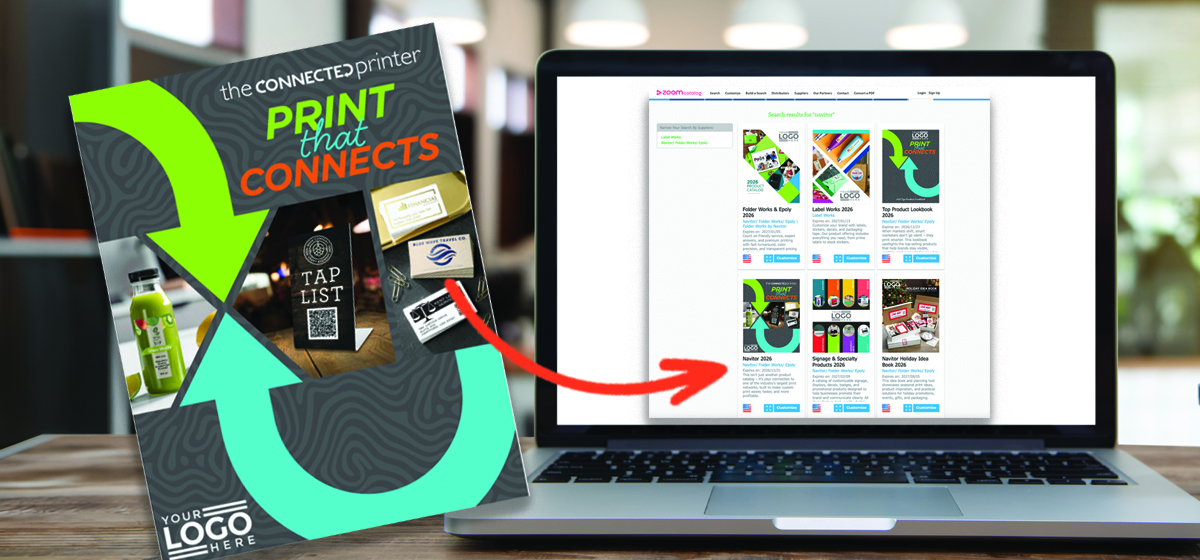
  • Tap Navitor’s Connected Printer
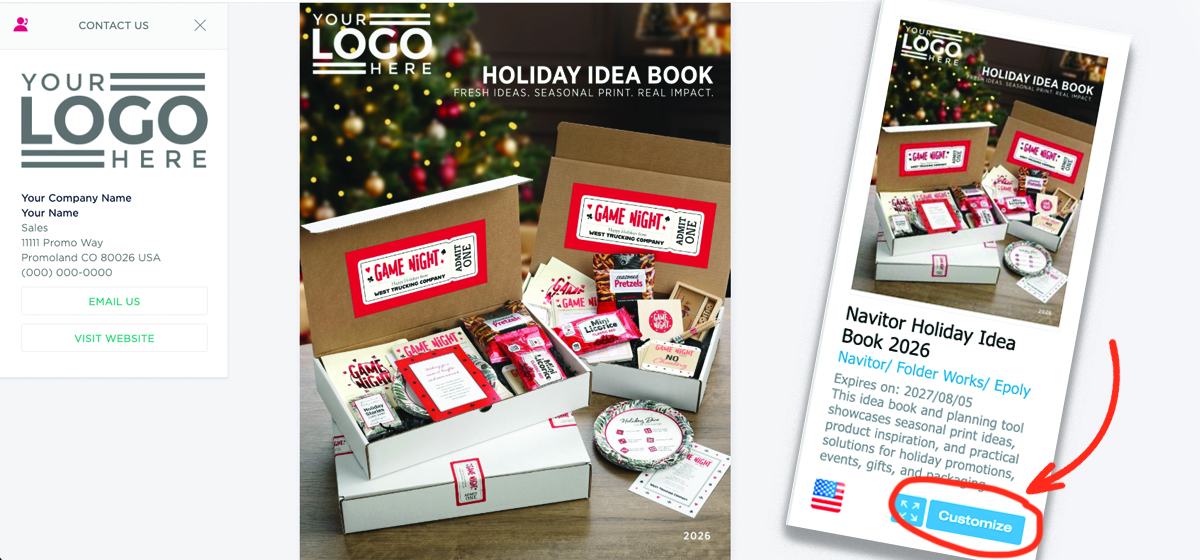
    Catalogs, idea books, and seasonal content are already designed to spark conversations, uncover needs, and grow accounts.

Helping clients plan ahead doesn’t just strengthen their year – it strengthens your pipeline.

Looking Ahead: Tight Budgets Create Space for You to Shine

Businesses that thrive during tight-budget cycles aren’t simply cutting costs. They’re choosing partners who help them navigate complexity with confidence.

This is your moment to deliver that clarity.

With Navitor’s Connected Printer capabilities behind you, you can offer more value, more efficiency, and more creative possibilities – without adding expense on your end.

Tight budgets don’t have to shrink your opportunity. They can expand it – and the steps you take with your customers now can set the pace for a stronger, more intentional 2026.

Why Print Still Converts When Budgets Are Tight

When the economy tightens, marketing budgets usually follow. Suddenly, every campaign, every deliverable, every dollar has to defend its place in the plan.

It’s tempting for brands to pull back – to wait things out until “things get better.” But history tells a different story. Companies that keep marketing during downturns don’t just survive; they rebound faster and stronger. The key isn’t spending more. It’s spending smarter.

And that’s where print comes in.

The Case for Print When Every Dollar Counts

When money is tight, accountability becomes everything. Marketers want proof their spend is working – and print has that proof baked in.

Direct mail response rates still outperform digital by several multiples. Research shows that physical print pieces capture attention for longer and drive higher recall. Tangibility builds trust – and trust drives conversion.

Print also plays nicely with digital, connecting QR codes, personalized URLs, and social handles to create measurable, multichannel touchpoints. It’s not about nostalgia. It’s about reliability. When your client needs marketing that keeps working long after the click fades, print delivers.

For resellers, this is the message to lead with: print isn’t a luxury line item – it’s the dependable performer that earns attention, not rents it.

Helping Clients Do More With Less

So how do you help customers keep their brand visible without blowing their budget? Start with a few simple shifts in mindset.

Rethink, Reuse, Refresh

Encourage clients to get more mileage out of what they already have. A strong brand folder design can double as a presentation kit or an information packet. Postcards can be repurposed as event handouts or product inserts. When the creative is timeless, the cost per use drops dramatically.

Print That Works Harder for Longer

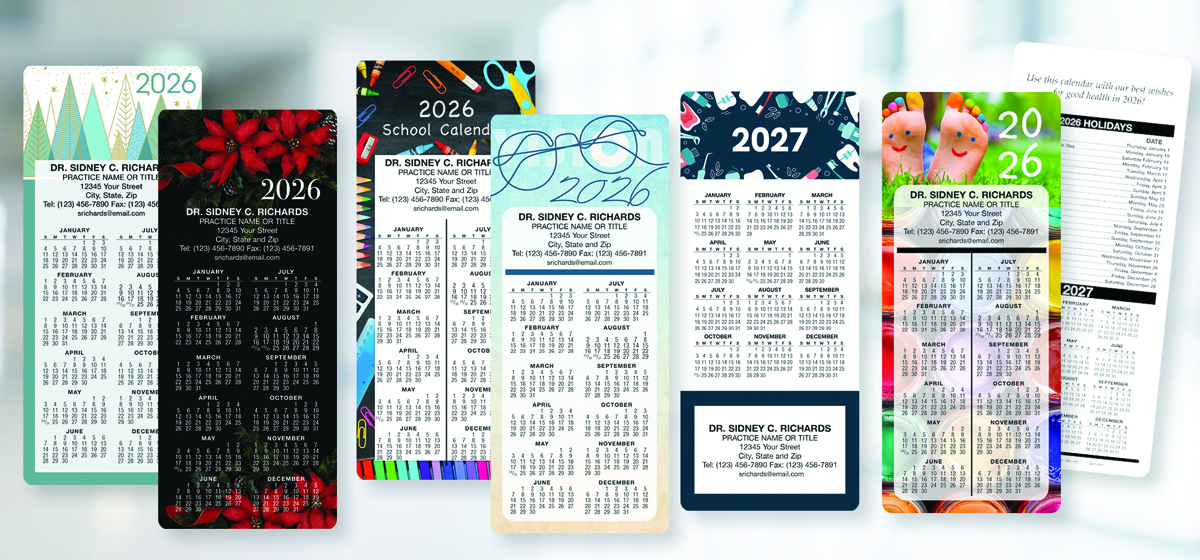
When every impression matters, lean into formats that stick around. Branded calendar cards, durable signage, and custom packaging labels don’t just communicate once – they keep working for months. They turn a marketing spend into a brand presence that lingers.

The takeaway? Smart print isn’t about volume. It’s about visibility per dollar.

Stretching Marketing Dollars: Print That Punches Above Its Weight

Budget-friendly doesn’t have to mean boring. Some of the most effective marketing pieces are also the simplest.

  • Brochures and flyers reconnect with existing customers and warm up prospects at a fraction of the cost of digital ads.
  • Labels and custom packaging tape turn everyday shipping into brand storytelling – every box becomes a billboard.
  • Folders and stationery keep a company looking consistent and credible in every client interaction.
  • Decals, table tents, and signage create in-person visibility for local businesses, pop-ups, and retailers where foot traffic matters most.

Each of these products helps brands stay front and center – cost-effectively and creatively. They’re the kind of solutions that stretch a marketing budget without stretching a brand too thin.

The Partnership Factor: Why Who You Print With Matters

Even the smartest campaign can fall apart without the right production partner. In uncertain markets, reliability and support matter as much as price.

That’s where Navitor’s role as The Connected Printer comes into focus. We help you keep your clients’ marketing moving – efficiently, profitably, and with fewer surprises. From nationwide production to online tools and dedicated support, we’re built for business continuity.

Because when your customers are watching every dollar, you need a partner who understands that every deadline, every detail, and every relationship matters. Stability is its own kind of ROI.

The Bottom Line

Downturns come and go. The relationships kept and the visibility that brands maintain are what carry businesses forward.

Print gives you both. It connects brands to customers in a way that feels personal, credible, and lasting – something no algorithm can replicate.

So when budgets get lean, don’t pull back. Print smarter. The brands that stay visible now are the ones everyone remembers later.


Explore print products that keep brands relevant and budgets in check at Navitor.com.