Younger Generation Agree: Print is Cool

We live in a digital world. This leads many to ponder, has digital dependence made print irrelevant? Not one bit. Devices are smarter, delivery is faster, everything is more tech-driven and the whole shebang is more connected. And so, we’ve wound up with an increased focus placed on digital-driven tactics and marketing strategies. But that has created grossly oversaturated digital channels. The end result? Media-bombarded consumers who are resistant to marketing messages.

The revival of print in the digital age
While we use digital communications more and more for everyday interactions, some products and experiences just can’t be digitized and in that rests the importance of print marketing. There’s a plethora of research that finds a significant difference between communicating through tangible, printed materials and communicating through digital means. The proof is in the data:

Print

  • Easier to comprehend
  • Minds are less likely to wander
  • Has nearly zero distractions
  • Outperforms digital
  • Easier to engage with content
  • Retention greatly improved
  • Best for training and education

Digital

  • Harder to comprehend
  • Triggers wandering minds
  • Contains loads of distractions
  • Most screens interfere with the navigation of text
  • Causes stress and exhaustion
  • Scrolling is mentally draining
  • Readers must move + comprehend text simultaneously

In addition to all the research data findings, because our eyes are mostly straining to look at screens for hours on end for work alone, the joy of printed material becomes much more appealing. Since early 2020, lockdowns and isolation has further promoted the increasing dependency on our digital devices making people crave authenticity and a human connection – and print marketing is just the thing that helps make brand connections in a tangible and memorable way.

The “in-thing” for Millennials
Workplaces today have computers throughout, and companies rely heavily on cloud services. Yet many industries still depend on print media for marketing, communication and other important functions like training and education. And let’s not forget about print’s appeal when it comes to generations younger than Boomers and Gen Xers. Today, Millennials are the largest generation in America’s workforce and it’s predicted by 2025 they will comprise 75 percent of the global workforce. Fortunately, print is becoming increasingly popular with them and subsequent generations. When thinking of Millennials and Gen Zers, most conjure up images of folks glued to their phones, however, data shows print media holds an important place in their day-to-day lives.

Studies show that Millennials spend more time reading their mail than any other generation. Adweek reports that 92% of college students prefer reading printed materials to digital material. Even generations that grew up in a digital world are not nearly as print-adverse as people may think. In fact, while all generations have gravitated to more and more online shopping, at the same time, everyone – regardless of birth year – is much more likely to trust information in print media versus that published in digital formats.

With the sheer volume of information overload at the digital level, print media separates companies and brands from the crowd. Print materials are seen more because they are seldom ignored and not deleted as we so often do with digital content. Print advertising also provides a broader customer experience, one that allows for a deeper level of engagement than that of fleeting, digital stuff.

Cool defined: fly, swank, chic, mod
To mark the significance of print and promote the use of it, Print Drives America Foundation’s national advocacy initiative includes a “PRINT IS COOL” ad that helps get the word out about the digital fatigue that is upon us and how print media like direct mail and advertising inserts are preferred over the interruption of digital advertising. Their message is simple and to the point: Print is cool, and yes, all ages really like the enhanced experience of printed products! Files for the ads are available to all, printers, vendors and publications. The ads may be customized with their own company signatures. Visit pialliance.org/print-drives-america-foundation/ to download files. Posters and mailing pieces are also available.

The takeaway
While digital connections escalate, so does scroll fatigue. Print can provide an opportune and much-needed screen break that effectively complements and strengthens marketing campaigns. There’s no question print marketing is still cool after all these years. Things like direct mail, product inserts, specialty packaging, displays and promotional products – when used in conjunction with digital touchpoints – can help amplify a brand’s reach. It’s an ideal time to recognize the crucial role that print media plays in every aspect of life and take advantage of the various ways it can be used to promote company and business initiatives in a way that’s more intriguing, captivating and readily absorbed.

Emerging Technologies Keep the Print Industry On Top

Print has a long history. Perfected and ready for commercial use in 1450, the Gutenberg press owed much to the medieval paper press, which was modeled after the ancient wine-and-olive press of the Mediterranean area. Picture the first press operators using a long handle to crank a heavy wooden screw, exerting downward pressure against the paper that was placed over the type mounted on a wooden plate. The wooden press reigned supreme for more than 300 years, and had a rate of about 250 sheets per hour printed on one side.

Using print as a practice to sell things also emerged in the mid-fifteenth century. The earliest surviving printed advertisement in English is said to be an ad for a newly printed book. In 1476, Britain’s first printer produced not just the manual for priests called Sarum Pie, but easily portable, playing card-sized advertisements for the book, as well.

The printing press and subsequent technological advances related to paper manufacturing and distribution led to the establishment of print as the first mass medium. And despite the advent of many other forms of mass media, print is still a reigning champion as a channel for information and promotion.

After the U.S. postal system was established in 1775, it took several decades before the brilliance of combining print and mail took hold. The American Anti-Slavery Society printed and mailed marketing materials to religious and civic leaders in the South in 1835. This is likely the first direct mail campaign. They created a mailing list from public sources like names in newspapers and city directories.

Many retailers and service providers started using “circulars” as a mail order marketing strategy to develop their sales efforts in the 1860s. Here are some of the other early direct mail marketing participants:

  • The New York Life Insurance Company began direct mailings as early as 1872.
  • That same year, Montgomery Ward and Company became the first mail-order business to make a fortune through retail sales, beginning with a simple one-page catalog featuring 163 items.
  • Soon after Montgomery Ward’s success, Sears began mailing flyers for watches to rural customers. These flyers evolved into 500-page catalogs that shipped to more than 300,000 homes. This process revolutionized how to buy goods. No matter where they lived, customers could be contacted directly to buy products.
  • The National Cash Register Company was also enamored with direct mail, dispatching almost four million pieces of printed material to prospects in the late 1800s.
  • The Book-of-the-Month Club began in 1926.

Today, we have over 40,000 post offices, and the postal service delivers more than 200 billion pieces of mail each year to over 144 million homes and businesses nationwide.

You may think high-tech is for other industries and not much has changed with print since the earliest days of the print and direct mail boom, but not so fast – as high-tech advances have spread across the business spectrum over the past several decades, the printing industry is one of its many beneficiaries.

We’ve compiled a list of a few notable technological advancements in print worth mentioning:

Alignment advancements
Front-to-back registration is complicated, time-consuming and tricky for even the savviest print operators. Today, advanced passes can perform this once manual routine in either a fully automatic or semi-automatic way.

Automation
Automation is revolutionizing printing and removing countless human-led errors that impact throughput and profit margins.

Color and toner technology
Automatic color technology can make a huge difference to bottom lines and finished products. New tech now checks for stability and density, and the new generation of toner uses emulsion aggregation to lower costs, sharpen image quality and reduce energy usage.

Digital print
The digital world creates a fresh set of variables for printing with new ways of production, color management enhancement, the requirement of more sophisticated management of information, consideration for DPI resolution and extended color gamut, and variations in press speeds with high-speed digital print on demand.

Exact reproduction
While four-color print has been around for over 100 years, today’s advanced technology allows us to end up with much sharper images with far more capability to reproduce exactly what the job requires.

Faster presses
Speeds of up to 100 ppm can now be achieved with the new generation of presses – even with card stocks or coated paper.

 Image enhancing
Formerly, you’d have to source optimum quality photos for every print job, but with new presses that offer built-in tools for image enhancement, the printer can automatically improve lower quality imagery. Brightness and color adjustments can also be made by the print devices themselves on the fly, resulting in a higher quality print every time.

Workflows
New print technology enables us to automate workflows that were previously carried out manually, executing complex jobs and automating the entire process so the job completes perfectly.

Getting “phygital”
Electronic paper and digitization have not hampered the development of technological innovations in the printing industry. In fact, the confluence of print with digital platforms ushered in tools like QR codes and augmented reality, bridging the two mediums.

Direct mailing gains
Direct mail is more sophisticated than ever with advancements in tracking, informed delivery and targeting. Today, data mining and modeling net lists that are monumentally specific, zeroing in on the most ideal targets.

Print Drives America continues their promotions of print with their ads, appearing in a Wall Street Journal national edition story. “PRINT IS HI-TECH” explains that print today harnesses the best marketing technology that precisely targets recipients. Files for the ads are available to all – printers, vendors and publications. The ads may be customized with their own company signatures. Visit pialliance.org/print-drives-america-foundation/ to download files. Posters and mailing pieces are also available.

The takeaway
Technology is indeed a boon to the printing industry. Without it, we wouldn’t have the progress that we continue to enjoy. It is technology that brings us digital printing, ground-breaking inkjet systems, mass customization, novel substrates and state-of-the-art finishing. As the print industry continues to evolve and change to meet new demands, it brings more variables and even more printing options and advancements.

New print technology can completely change your business and elevate your selling success by expanding your offering and giving you a competitive edge. What are your competitors doing with print? Are they embracing new technology? Navitor’s innovations allow our distributor partners to be smarter, leaner and more productive. And the best news? It isn’t technology for its own sake – these are practical solutions that will help you get ahead and conquer the diverse challenges of the digital age.

Just How Colossal is Print?

Modern media comes in many different formats, including print media, television, movies, video games, music, cell phones, various kinds of software, and the Internet. Many are surprised that PRINT is the largest media. In fact, print media and its many segments are larger than broadcast, the internet and all other media combined.

The G.O.A.T.
Print media has been the number one advertising method for centuries. No new media has been able to beat the still-rising popularity of print media mainly because it is one of the most trusted ways of communication and one of the least expensive ways to reach a broad audience fast.

Categories on the rise
Of the various print categories, labels and packaging is the biggest. Labels and packaging prompt millions to make daily decisions and purchases, and in 2020 became the first print category to exceed one trillion dollars – that’s a pretty significant milestone. Other print categories going through the roof these days are book printing, corrugated, direct mail, advertising inserts and catalogs. Direct mail’s resurgence has become viral; printed books are climbing, while at the same time digital downloads are well … down.

Getting the word out
To mark the significance of print and promote the use of it, Print Drives America Foundation’s national advocacy initiative includes a “PRINT IS COLOSSAL” ad that helps get the word out about print being the largest communications media, larger than broadcast and online media and all other media combined. Their message is simple and to the point: Print is colossal and yes, it’s even growing!

Print vs. digital
Some companies mistakenly undervalue print media advertising, thinking the digital era has ushered in more efficient forms of marketing. However, comparing print media and electronic media proves that print media provides a boatload of advantages including being more effective at targeting and making a lasting impression.

While the internet has revolutionized the spread of information and colored the way we think about advertising, digital advertising has a few drawbacks including more competition and poor click through rates. Most websites average four digital ads per page view, and studies reveal that 80% of people have never clicked on a banner ad. That’s major.

For any media to have remained at the top for so long and still be popular signifies its excellent benefits. Let’s dive in.

Highly targeted
Print media is a straightforward and affordable medium to reach customers and sell more products. It allows for effective advertising by spreading awareness within more accurately targeted audiences and specific geographical areas.

Easy budgeting and expense management
Costs are clear and simple to obtain, making planning and budgeting a breeze.

Excellent ROI
Print media holds the unique advantage of gaining profits through targeting consumers most likely to buy, outweighing the investment.

Higher frequency of exposure and viewing
Online ads are sort of a flash in the pan, and largely ignored as an inconvenience while surfing. Unlike digital messaging, print media doesn’t disappear after generating an impression, which offers repeated exposures. Additionally, consumers are more receptive to printed media because they aren’t distracted when exposed to it. Physical pieces hold a reader’s attention and are often reviewed multiple times and can also be shared with others.

Capitalizes on the power of our senses
Printed media leaves a lasting impression as the consumer engages with it in a more in-depth manner. The sensory experience of touching the carrier of an ad improves the impact it has on consumers. In surveys, most people report they find it easier to read print media over digital content.

Offers a ton of control and flexibility
With so many options and add-on features, print offers flexibility in selecting the ideal solution to fit requirements and budget. You can go big or go as small as you like to get your desired results.

The trust factor
Credibility increases reader loyalty and research shows that print media is one of the most trusted mediums out there. People buy from those they trust.

Excellent top-of-mind advertising
Print is best at keeping a product, brand or service in the consumer’s mind, and at the same time is exceptional at prompting action. Print also promotes excellent recall value over time, which increases the likelihood of consumers taking action after initial exposure as well.

The bottom line
Advertising with print media has stood the test of time and remains the most viable and potent platform any business can use to build their brand, and reach and connect with consumers. When used in tandem with digital, like leading readers to websites or online stores, print provides a concrete foundation that allows businesses to reap the benefits of a solid omnichannel strategy. Navitor has a range of products and services to support your customers’ growing print needs and impact their results.

Announcing Price Increases to Your Customers

Businesses across the nation are facing price increases. They must absorb some and in turn pass on the rest to their clients in order to maintain profit margins and continue stable growth. Breaking that news to your valued customers can be unpleasant, but informing them in advance is proven to soften the impact and help maintain customer loyalty.

Typically, a price increase can be shocking, however, in today’s climate most of us are becoming accustomed to higher costs due to supply chain disruptions and labor shortages. Having conversations with your customers to inform them of price changes and the underlying factors driving elevated costs will build trust and help you maintain your solid relationships. The clearer you are with your customers, the less potential for misunderstanding and surprise. Be transparent about the price changes by communicating with them directly. Send a letter or email to inform them in advance. We recommend your email or letter includes full information about new prices, a detailed description of current market conditions, and other loyalty-boosting elements.

  • Give the reasons – a comprehensive explanation for the price increases covering all the points and supporting real needs to deliver the same or better product or service.
  • Be clear you are not chasing undue profits, yet merely responding to the market environment to maintain consistently sound product quality.
  • Be polite, but do not apologize for the new plans and your financial strategy.
  • Note the duration of the business relationship and what you have achieved together.
  • Thank them. Let them know you are happy to have their business and remind them of the importance of your relationship.
  • Form a unique offer to offset initial pricing impacts or expedite orders pre-increase.
  • Offer to chat or call to answer any questions or address their concerns.
  • Ask for a reply. This confirms they received the communication and eliminates any possibility of surprise.

A letter or email might look something like this:


Dear {Fname},

Businesses across the nation are facing price increases that they must absorb as well as pass on in order to maintain consistency in product quality – and we are not exempt. We are seeing material costs across all categories increase by double-digit percentages. Factors impacting pricing and availability include but are not limited to:

  • Material costs
  • Product availability limitations
  • Shipping disruptions
  • Rising demand
  • Inventory shortages
  • Labor shortages

We value you as our customer and appreciate working for you these past XX years. In that time, we have accomplished much, including {this} and {that}.  

Our priority is to provide you the same level of service and quality you expect and deserve. In order to accomplish that, it is inevitable we increase pricing. We will continue to work hard to minimize the impact the supply chain disruptions have on your business.

What to expect and when:

{Details of anticipated price changes}

{Unique offer and expiration date}

Let us know your thoughts. Call XXX-XXX-XXXX or email email@domain.com today to continue this conversation.

Sincerely,
{Contact info}


More communication is better
It is a good idea to also publish price increase announcements on your website and consider providing a chat feature to address your customers’ questions or concerns. Be sure to update your marketing materials to reflect new conditions. Fully informed customers are more likely to remain as customers. Because they are vested in a stable relationship, modest price increases are typically not deal breakers, and informing them of the circumstances driving the fluctuations allows them a sounder foundation for accepting the changes and making informed decisions going forward.

It’s not all bad news
Some good news for you is the benefit you have with working with Navitor. Prices are increasing across the board in our industry and we are seeing our competitors rolling out much higher increases than ours. Because we have scale, it minimizes the percentage of increase so you don’t have to absorb the entirety of the price increases.

Always here for you
Staying on top of market trends and industry conditions gives us the means to help you deliver the best customer experiences. We go into detail of the impacts on the print supply chain along with providing mitigation tools for you in our digital flipbookSupply Chain Impacts on the Print Market, A distributor’s strategic guide for navigating price increases. In this overview you will find insights into the print markets, the impacts to manufacturing, and mitigation steps we’re taking to minimize the impact. We also share specific steps you can take to reduce the impact to your business. It is filled with resources and content to help you understand so you can take action from an informed position

To make sure you’re giving your customers what they need and addressing topics important to them, rely on us as your go-to resource for thought leadership and innovation.

The Print Industry Promotes Its Green-ness

How eco-friendly is print? The answer might surprise you. When you think about the most environmentally friendly industries in the world, the print industry is probably not the first one that pops into your mind. The assumption is since we use paper, we must not be very green, right? Yet, the printing industry takes its responsibility to the environment very seriously.

Print is greener than you may think
There are a few significant drivers that make print a solid, eco-friendly choice. We’ve compiled some of the main truths that illustrate print’s green-ness and debunk the misperceptions: 

  • Paper is recyclable
    Paper is the most recycled product in North America. The use of recycled paper reduces greenhouse gas emissions, carbon emissions and the overall energy needed for print production. Paper manufacturers can use the same recycled material up to seven times before it becomes unusable.
  • Paper is renewable
    In the US, nearly 40% of paper comes from recycled materials. The remaining 60% must come from sustainable sources including managed forests and lumber byproducts.
  • Print marketing has a smaller carbon footprint than digital marketing
    Carbon emissions are only produced once in the printing process during the momentary application of ink to paper, compared to online where energy is used 24/7 to transmit data among millions of devices (which too swiftly become permanent landfill). Reading on a screen requires a power source, and each time a digital device is used, more carbon emissions are created.
  • Digital media is NOT greener than print materials
    Each year, millions of metric tons of e-waste are generated on our planet. The energy used to send emails also produces billions of metric tons of CO2 per year – about the same as a million cars.
  • Print production is good for trees
    The print industry plants four times as many trees than they harvest each year. Almost all of the trees used come from responsibly managed forests, and those folks are replanting more than 4 million trees per day. We now have 20% more trees in the U.S. than we did 50 years ago.

Green methods of print
The print industry has been on the forefront of creating new and sustainable processes for years. Printers have adopted many of the following important green practices in order to streamline production and reduce the impact on the environment:

  • Responsible paper sourcing
    Making sure that paper and other raw materials come from environmentally sound sources.
  • Exercising eco-friendly paper practices
    Recycled printing paper is both more accessible and more affordable than ever before and some eco-friendly papers today are made by paper companies that offset the carbon impact of producing the paper, making it carbon neutral.
  • Considering other power sources for sourced paper
    Other types of eco-friendly paper are produced using renewable energy, such as wind power.
  • Sourcing tree-free paper
    A unique and green printing technique includes using tree-free paper. These paper alternatives are derived from vegetable products such as bamboo, jute, wheat, straw or agricultural waste.
  • Noting the percentage of post-consumer waste in their recycled paper
    Currently, there are more options available than ever before, including paper which is made with 100% post-consumer waste.
  • Eliminating wasteful production practices
    Using print-on-demand services in place of bulk printing and storage dramatically reduces waste, lowers the client’s cost of obsolete materials and eliminates backorders.
  • Using soy and vegetable-based inks
    Turning away from traditional, petroleum-based ink is one of the best moves a printing company can make toward going green. Petroleum-based inks are made out of non-renewable oil and release VOCs which have a number of negative environmental impacts. Vegetable-based inks are more sustainable and release no VOCs.
  • Practicing overall energy efficiency
    Operating with the most energy-efficient machines, appliances, heating and air conditioning systems, and using CFL and LED light bulbs are ways to achieve considerable long-term energy-conserving results.

These and other sustainable printing processes increase a responsible printing company’s commitment to the environment by bringing green solutions to a market where assumptions are far too common. In actuality, many of the negative perceptions people have about the sustainability of print are false and industry advocates are launching campaigns to set the record straight.

Promoting the positive of print
Last month, the Printing Industries Alliance (PIA) foundation, Print Drives America, placed an ad in the national print edition of the Wall Street Journal, headlined “PRINT IS GREEN.” It is one of four in a series of advertisements meant to dispel myths about print and encourage its use. What They Think endorsed and publicized Print Drives America’s press release “One Million Wall Street Journal Business Readers See Page Three Ad That Emphasizes the Positive Use of Print,” which covered the WSJ article, furthering their exposure.

Print Drives America is the foremost advocate that the national print industry has in their corner, and they have enthusiastically become the voice of the industry. They give the print industry a stronger voice to demonstrate its amazing ROI and communicate its many benefits, including the strong consumer preference for print. Additionally, PIA and their foundation champion print by offering InDesign file templates and pdfs of the four-part, print-promoting campaign for companies and other organizations to download and edit. Participating businesses can easily add their company logo to create posters, send direct mail or place print ads.

We’re here for you
Navitor has a range of products and services that use the green printing methods referred to above. We have long been committed to improving our processes and helping our distributor partners and their customers choose options that reduce environmental impacts.

Supply Chain Shortages Are Hitting Print

The scale of the pandemic’s impact on supply chains, manufacturing, labor and costs eclipses anything most manufacturers have experienced before. As these conditions hit the print industry, we’re seeing material costs across all categories increase over 10%. Have you been watching the supply chain? The New York Times article How the World Ran Out of Everything takes a deep dive into Just In Time (JIT) manufacturing, inventory shortages and the global shipping chaos. CNBC reports that supplier price increases climbed 6.6% in May – the largest 12-month increase on record. Reuters imparts that manufacturing is slow-going due to shortages of inputs and rising demand in their article “Supply chain bottlenecks amid roaring demand slow U.S. manufacturing”.

We are on top of it
Buying raw materials and manufacturing products requires a dependable and undisrupted supply chain. The increased demand and limited availability of materials and services has had a huge impact on turn times and the final cost of goods across all industries. It takes creativity and careful analysis in order to stay on top of the fluctuations and navigate the disruptions. That’s why we are closely monitoring seven core markets that effect our business, allowing us to gauge the impact on us as well as how it impacts our valued distributors.

Markets we’re watching and a snippet of current findings

  • Paper Market
    • All graphic paper costs have increased and availability on just about every grade of paper is limited.
  • Label Market
    • Pricing pressures, substantial inflation and paper pulp price increases compounded with domestic freight and ocean transportation disruptions are causing imbalances to the market.
  • Retail Signs & Graphics Market
    • Pivots in product demand, rising costs and surcharges are a few of the conditions shaking things up.
  • Packaging Market
    • Demand is elevated while earnings are down and prices are way up.
  • Promotional Market
    • The promo market continues to grapple with rising prices and inventory issues.
  • Logistics Market
    • Fuel costs, truck scarcities and TL rate increases continue to challenge freight markets.
  • Labor Market
    • Employee scarcities, a high number of job openings and demand for higher pay will take a while to sort out.

We go into much greater detail of the impacts on the print supply chain along with providing mitigation tools for you in our digital flipbook: Supply Chain Impacts on the Print Market, distributor’s strategic guide for navigating price increases. In this overview you will find insights into the print markets, the impacts to manufacturing, and mitigation steps we’re taking to minimize the impact. We also share specific steps you can take to reduce the impact to your business. It is filled with resources and content to help you understand so you can take action from an informed position.

Benefits amid the changes
Some good news for you in all of this is the benefit you have with working with Navitor. Prices are increasing across the board in our industry and we are seeing much higher increases than ours rolling out in competitive companies. Because we have scale, it minimizes the percentage of increase so you don’t have to absorb the entirety of the price increases.

We’re here for you
Staying on top of market trends and industry conditions gives us the means to help you deliver the best customer experiences. To make sure you’re giving your customers what they need and addressing topics important to them, rely on us as your go-to resource for thought leadership and innovation.

CBD and Cannabis Sales Start with Shelf Presence

Imagine you’re walking through a dispensary or a retail store that sells CBD. There’s definitely no shortage of new and interesting products to choose from on the shelves. How purchase decisions are made is part art, part science. Packaging plays a more important role in those decisions than you might think. It is a driving factor in determining what product you walk out of the store with. Since packaging is often a consumer’s first introduction to a product, it pays to be innovative and unique in order to stand out on a crowded shelf and get noticed.

The importance of product packaging is multi-faceted and can make all the difference in ensuring a great first impression and lasting brand loyalty. Here are a few tips and tricks for strategic product packaging:

Functionality
Keeping the product safe for its journey from production through distribution, and from store shelves to buyer’s homes is where it all starts. Preventing damage with a sturdy and reliable package is foundational, followed by convenience and ease of use. There are plenty of standard options with a wide range of weights to ensure functionality and convenience and also differentiate the packaging. Once fit-for-purpose and functionality are checked off, you can move into the more artistic points that attract customers and encourage them to buy the product.

Image
Packaging is the primary marketing medium in the cannabis industry, making first impressions everything. Buying decisions are influenced by how the packaging promotes and displays the product inside. On average, it takes only seven seconds to form a first impression. With such limited time, the best way to stand out on the shelf is with unique, high-quality, and creative packaging. This includes both printing and finishing methods that help the consumer perceive the value of the product and provide a great experience. We specialize in making the packaging more appealing and attractive while adhering to brand standards and necessary regulations.

Brand Awareness
Product packaging is not just a reflection of the product inside, but the brand as a whole. Innovative packaging differentiates brands. To influence buying and create brand awareness, it’s important that consumers can easily determine what the product is and make associations with the brand. Combining exceptional printing processes with high-quality materials yields a more memorable experience with a brand. Choosing the best substrates and impactful, high-resolution images on the package can help boost brand awareness.

Special Touches
Custom finishes and coatings add uniqueness and help step up shelf visibility. They highlight design elements, elevate the tactile experience and add dimension. Processes like debossing, embossing, foil stamping, spot color, and intricate die-cutting transform the appearance of products on the shelf. Finishing extras such as UV gloss coating, spot UV, soft-touch lamination, aqueous satin, and raised UV give packages a snazzy, polished look.

Integrated Elements
An effective way to set products apart and help them stand out on the shelf is through creative integration with additional elements including matching bottle labels, inserts, and hangtags around the packaging.

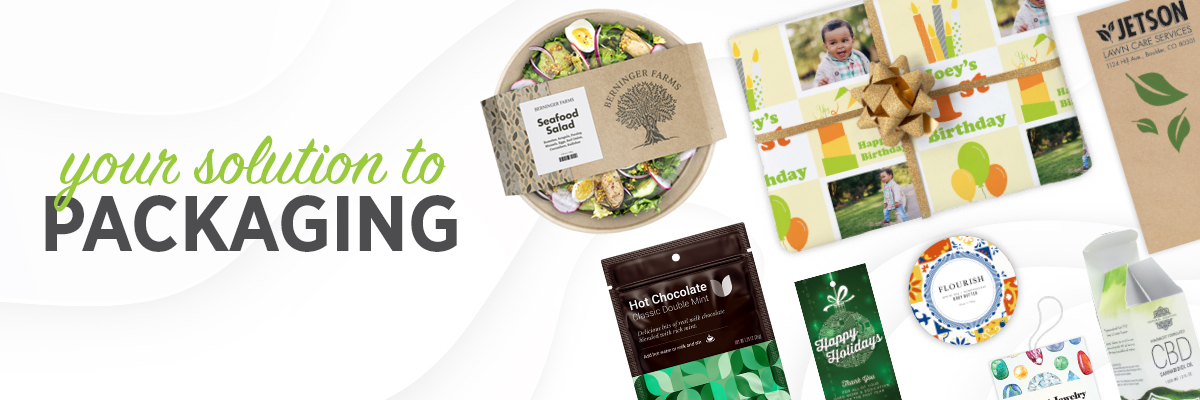
Collaboration with Navitor, your trusted packaging expert, is key to making your product stand out on the shelf. Our innovations and ideations will bring your vision to life. Check out Packaging now.

Pricing Will Hold Steady

In an effort to make things a little easier for you in the coming year, we’re
holding our catalog pricing through 2021. So, hang on to your current catalogs, and keep an eye out for a mini-catalog with recent innovations and trending products on its way to you soon.

  • As always, utilize our digital catalogs for the most up-to-date product information. Even rebrand them with your own logo using ZOOM Catalog.
  • Coming Soon! Mini-Catalog

Sneak Peek!

The Holiday Shopping Season Redefined

It’s snow joke – we are in for a holiday season unlike any other we’ve been through. The traditional merriment we look forward to each year involves eating, drinking, and singing together in a cozy room … all among the highest risk scenarios for transmitting viruses. It’s pretty unlikely we’ll see shoppers lined up before sunrise for Black Friday deals, or rushing to crowded stores for last-minute gift buying. No matter the circumstances, this is the time of year when retailers and other businesses start to mull over their holiday plans and prepare for what promises to be an unprecedented holiday season. How will the pandemic affect what has traditionally been retailers’ busiest time of year? Rest assured, we have some ideas around what can be expected. If unprepared, yule be sorry … but by preparing for what’s to come and offering innovative ideas and options, yule be sleighing it.

Where the holiday dollars will go
Money typically spent on heavily attended parties and festive gatherings, travel, and enormous grocery bills for huge dinners instead will go toward gift-giving, albeit with some differences. Experiential gifts like concert and event tickets, restaurant gift cards, and massage certificates are out, while popular merchandise categories – things you can hold in your hands (after sanitizing, of course) – are in.

Shoppers starting early
Gift-givers will be coming out of quarantine as holiday shopping season starts earlier than normal. Opting to shop during less volume-heavy times, consumers are likely to buy sooner rather than later in order to avoid crowds and to make sure the items on their lists are even available. From a shopper’s standpoint, one of the biggest challenges during the pandemic has been product availability. Supply chains are compromised and inventory is low. Making matters worse, deliveries take longer than normal because as the volume increases, shipping delays only get worse. To avoid out-of-stocks and account for anticipated shipping delays, shoppers will be starting early.

Business gift-giving
Businesses reaching out to customers and employees at the holidays this year will opt for cards and gifts as alternatives to dinners and parties. In order to show their gratitude and appreciation for the loyalty of their customers and employees over the past year, corporate giving will likely be at an all-time high. Branded promotional products are sure to be in high demand as businesses manage their customer and employee gift-giving from a distance.

Retail shopping holiday makeover
Without question, COVID-19 has transformed the retail shopping experience. The holiday shopping season will look quite different this year as retailers find themselves mired in the coronavirus. Here are some of the changes in store for us this year:

  • No more Black Friday lines – large retailers like Target, Macy’s, Foot Locker, JCPenney, Bed Bath & Beyond, and Best Buy have all announced that they’ll close stores on Black Friday
  • Buy online, pick up in-store – COVID-19 pushed shoppers online early in the pandemic, and not only has that trend not slowed, but it will also pick up speed in the coming weeks
  • Still social distancing – but in a more festive manner – soon all those banners, signs, floor and window decals will look very merry
  • Pop-up sales outside – expect to see outdoor pop-up shops in cities with climates that can accommodate them
  • Extra sanitation – safeguarding the health of staff and shoppers will require sanitation stations and signage throughout stores, especially near return counters
  • Curbside pickup – emerged early this year, and expectations among shoppers are that this option will be made available across all retail brands
  • Heavy communication and signage – to cut down the need for face-to-face conversations, directional signs, infographics, posters, and decals will be used to inform shoppers and direct traffic flow
  • More gift buying – with travel money squashed and big gathering spend down, that means a bigger bankroll for gifts

Stand-out products
With all the social and shopping changes brought about by the pandemic, there are still innovative products in high demand. Some of the top holiday options include calendars, greeting cards, glitter stock items, custom packaging, promotional products, custom gift wrap, labels, face coverings, holiday signage, direct mail, and much more. Communication and information exchange are not the only things going contactless this holiday season: Expressing gratitude and thanks will be done through gift-giving and showing appreciation without the typical holiday get-togethers.

The takeaway
To really make an impact this year, make sure you’re giving your customers the information they need – and preparing early is critical. Have your stocking stuffed full of ideas your customers will love (from head to mistletoe). Even though most hugs will be saved until next year, we’re still here to help you navigate the 2020 Holiday Season. We’re your go-to resource with ideas and innovative ways to work through the challenges you’re facing and uncover the opportunities this shopping season brings. For some great options, check out our online booklet Reinventing Holiday Traditions in the Next Normal.

Are you ready to help your customers get through the cold and flu season?

What a remarkable and unprecedented year it has been. As 2020 comes to a close and we head into cold and flu season, it is unclear whether COVID-19 will persist at its current pace, if there will be an onslaught of smaller outbreaks, or if a larger second wave is on the horizon. To further compound matters, flu season is right around the corner, generally lasting through January. This overlap has many concerned – are we facing a double whammy? Or will social distancing and our new hygiene habits stave off the spread of influenza this year? Either way, we are in for an interesting season, and because this flu season may be quite daunting, there will likely be a lot more customers looking for products to prepare for it.

Time to have the conversations
We may be looking at a different and broader purchasing season this year as businesses gear up for flu season amid a pandemic. Because of that, it is high time to discuss readiness options with your customers. Checking in with them and offering products and solutions to help them prepare for what’s to come may ultimately lessen the impact, one community at a time.

Topics to get ready for
Sure to be front and center this winter are the differences between COVID-19 and the flu, and COVID-19 and the common cold. Posters, signage, decals, postcards, flyers, and envelopes will lend a hand in informing the public about what’s what. Similarly, many will need to communicate flu shot information, including companies offering flu shot programs to their employees. All public access areas continue to require social distancing products, and will certainly be emphasizing the importance of hygiene and sanitizing. Additionally, with a second potential shutdown looming, retail stores trying to lessen stockpiling will need signs, banners, and decals reminding folks to take a limited number of essential items. Nonprofits, governments, and other agencies will need products and communications informing people of where they can get ahold of emergency services and supplies. As hospitals and clinics approach maximum capacity, their need for materials increases as patients increase. There is also a new topic on the block: screening supplies. No more rushing off to work or rushing kids off to school with the sniffles – there will be more hesitation, more mindfulness, and symptom screening.

Who’s buying?
The current circumstances are opening new areas of “who’s buying” and “who’s interested.” Undoubtedly, the employers in the community, retail shops and stores, governments, nonprofits, schools, healthcare, manufacturers, banks, insurance, financial institutions, and more will need readiness products and communications solutions to help gear up for the next five months.

How can you help?
Start having conversations with everybody you can think of. No one is exempt from what the world is experiencing right now. Helping your customers and prospects solve their challenges centered around informing, directing, notifying, and protecting makes you an essential piece of the puzzle. We have created templates with specific cold and flu messaging that may help get some ideas in front of your customers as well.

Next steps
Are you ready? We are. And we are here for you. Navitor has a plethora of options, ideas, and support, and offers a free content page for distributors like you. We have over 100 pages of ideas, products, text, and imagery that you can use as your own. The solutions benefit top industries in need of new, important and often urgent messaging. Navitor members have access to exclusive, more detailed materials such as a social toolkit for each of today’s most predominant industries, customizable eBooklets where you can add your own name or branding, or even the actual slides to the webinars we produce complete with links and additional resources you can use with your customers.